
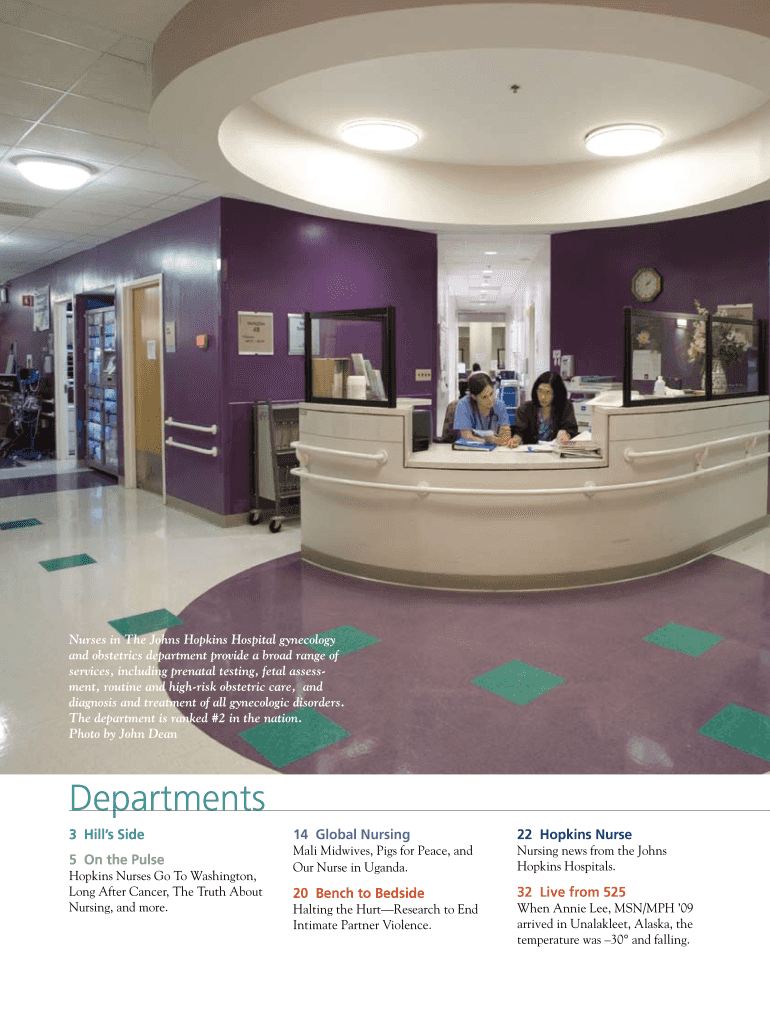







Understanding Nurses in The Johns Hopkins Hospital Gynecology
Nurses at The Johns Hopkins Hospital are a vital part of the gynecology and obstetrics department, playing a central role in patient care and medical procedures. These nurses provide a range of services that help make the department one of the top-ranked in the nation. Their contributions extend beyond patient care to include nursing excellence, advocacy, and community health initiatives.
Key Roles and Responsibilities
Nurses in the gynecology department at The Johns Hopkins Hospital are tasked with numerous responsibilities that ensure high-quality patient care. These tasks include conducting patient assessments, assisting with surgical procedures, and administering medications. Additionally, they are involved in pre- and post-operative care and patient education, helping patients understand their treatments and overall gynecological health.
Patient Assessment and Care
- Conduct thorough assessments to determine patient needs.
- Develop and implement personalized care plans.
- Monitor patient progress and adjust care plans as necessary.
How to Use Nurses in The Johns Hopkins Hospital Gynecology
Utilizing the services of nurses in this department involves understanding the variety of care and expertise they provide. Patients can access specialized nursing care through appointments or referrals from their primary care providers.
Accessing Nursing Services
- Schedule an appointment through the hospital’s system.
- Obtain a referral for specialized care when necessary.
- Reach out to the nursing staff for guidance on specific health concerns.
Importance of Nurses in Gynecology at Johns Hopkins
Nurses in this department not only support the hospital’s reputation for excellence but also advocate for and contribute to research and policy-making that advances women’s health. Their involvement in community health initiatives, such as research on workplace violence and mental health, underlines their commitment to advocacy.
Contributions to Research and Policy
- Engage in research projects aiming to improve patient outcomes.
- Participate in developing guidelines and policies.
- Advocate for improvements in healthcare practices impacting women’s health.
Key Elements and Terms
Understanding the terminology related to the roles of these nurses can provide better insight into their functions and importance. Familiar terms include patient care plans, surgical assistance, and patient education.
Essential Terminology
- Patient Care Plans: Strategies developed by nurses to address the health needs of patients.
- Surgical Assistance: The role of nurses in helping surgeons during procedures.
- Patient Education: The process of informing patients about their conditions and treatment options.
Steps to Engage with Nurses in This Department
Engaging with nurses in the gynecology department involves a series of steps to ensure you receive the proper care and support tailored to your health needs.
Engagement Process
- Identify Your Needs: Determine the nature of care you require.
- Consultation: Schedule a consultation to discuss potential treatments.
- Receive Care: Follow the nursing team’s recommendations and care plan.
- Follow-Up: Attend necessary follow-up appointments to monitor progress.
Legal and Compliance Considerations
Nurses in The Johns Hopkins Hospital gynecology department adhere to strict legal and ethical guidelines to ensure patient safety and confidentiality. Understanding these guidelines helps patients trust the care they receive.
Compliance and Ethical Practices
- Ensure all patient interactions follow HIPAA regulations.
- Maintain patient confidentiality and data security.
- Adhere to professional ethical standards in all care situations.
Software and Technology in Nursing
The integration of advanced software and technology in nursing practice at The Johns Hopkins Hospital enhances the quality of care delivered by the gynecology team.
Utilization of Technology
- Implement software systems for efficient patient record management.
- Utilize telehealth services for remote consultations and follow-ups.
- Incorporate the latest medical equipment and techniques in patient care.
State-Specific Regulations and Considerations
While Johns Hopkins operates under Maryland state laws, understanding local healthcare regulations can provide context for care standards and practices.
Maryland State Healthcare Standards
- Adhere to state-specific licensing requirements for nurses.
- Participate in state health initiatives to promote women’s health.
- Navigate state healthcare policies affecting patient care delivery.




