







Definition & Meaning of MINISTERE DE L'EQUIPEMENT DES TRANSPORTS ET DU LOGEMENT
The "Ministère de l'Équipement des Transports et du Logement" is a French governmental body responsible for matters related to equipment, transport, and housing. This ministry oversees various sectors, including infrastructure development, transportation safety, urban planning, and housing regulations.
- Equipment: The ministry handles the development and maintenance of national infrastructure, including roads and bridges.
- Transport: This segment covers regulations and policies for air, land, and sea transport, ensuring safe and efficient travel.
- Housing: The ministry is involved in urban planning and housing policies to address public housing needs and improve living standards.
How to Use the Ministry's Resources
To utilize resources provided by the Ministère de l'Équipement des Transports et du Logement, it's crucial to understand the available services and their procedures.
- Accessing Reports and Data: Individuals can request technical reports or data on transportation safety and infrastructure projects for research or professional use.
- Application Procedures: Citizens or companies needing permits or licenses for construction projects can refer to ministry guidelines for application submission.
- Consultation Services: The ministry offers consultations regarding urban planning and housing policies for local governments and developers.
Obtaining Documents from the Ministry
Acquiring specific documents related to projects or regulations involves a straightforward process:
- Identify Requirements: Determine the necessary documentation, such as permits or safety regulations.
- Submit Requests: Requests for documents or information can often be submitted through official government websites or by contacting the ministry directly.
- Use Approved Channels: Engage with recognized platforms or official communication lines to ensure authenticity and efficiency in obtaining the desired information.
Steps to Complete Ministry-Related Forms
Completing forms related to the Ministère de l'Équipement des Transports et du Logement involves several key steps:
- Review Instructions: Carefully read all instructions provided with each form to ensure correct and complete information.
- Gather Information: Collect any necessary documents including personal identification or project details that support the form.
- Filling Out Forms: Enter information legibly in the designated fields, following the format prescribed by the ministry.
- Submit Form: Use specified submission methods such as mail or online portals, ensuring that all entries are complete and accurate.
Why Engage with the Ministry
Interacting with the Ministère de l'Équipement des Transports et du Logement provides substantial benefits:
- Regulation Compliance: Ensures all construction and transport activities comply with local and national laws.
- Resource Access: Gain access to important data, reports, and official guidelines that can aid in project planning and execution.
- Innovation and Development: Facilitates advancements in infrastructure and urban planning through governmental support and oversight.
Typical Users of Ministry Services
The services of the Ministère de l'Équipement des Transports et du Logement are vital to a diverse array of stakeholders:
- Construction Firms: Require permits and adhere to regulations for building projects.
- Municipalities: Use the ministry as a resource for urban planning and transportation safety guidelines.
- Researchers and Academicians: Engage with the ministry for access to technical reports and data for studies on infrastructure and urban development.
Legal Use and Implications
Navigating the legal frameworks provided by the ministry ensures legal adherence in various sectors:
- Construction and Infrastructure: Compliance with safety regulations is necessary for legal operations in construction and urban development.
- Transport Policies: Alignment with transport laws is essential for operating transport services within France.
- Housing Regulations: Ensures that housing projects meet legal standards for safety, sustainability, and resident welfare.
Key Elements of Ministry Regulations
The regulations managed by the Ministry encompass several critical components:
- Safety Standards: Guidelines to ensure public safety in infrastructure and transport projects.
- Environmental Considerations: Protocols to minimize environmental impact within infrastructure development.
- Urban Development Policies: Strategies for sustainable urban growth and housing initiatives.
Differences in State Regulations
While the ministry sets national standards, state-level adaptations may exist:
- Local Variations: Each region may adopt supplementary regulations to address specific environmental and geographical considerations.
- Regional Autonomy: States might have distinct approval processes for permits or construction applications due to local governance structures.
Practical Examples of Ministry Involvement
Real-world applications of the ministry's work highlight its significance:
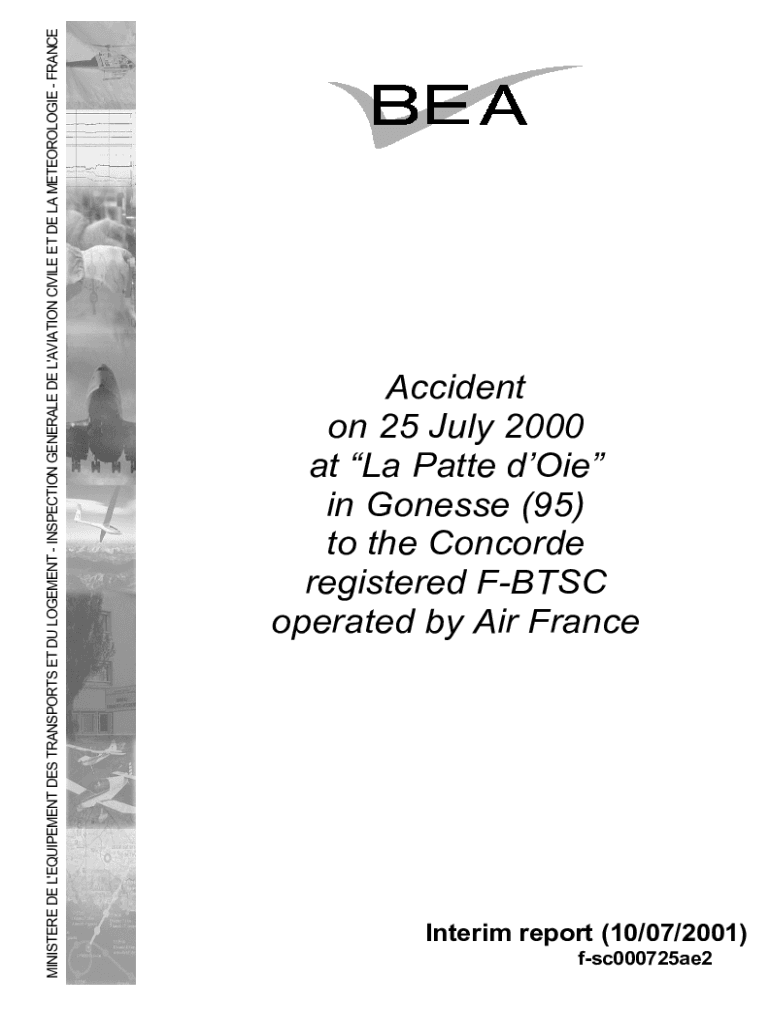
- Concorde Investigation: An investigation led by the ministry provides insights into transportation safety practices.
- Infrastructure Projects: The ministry's involvement in highway development showcases its role in enhancing national transportation networks.
- Urban Housing Initiatives: Collaboration with local governments to address affordable housing shortages illustrates the ministry's impact.
This structured content delivers an in-depth and comprehensive guide on the operations and functions of the "Ministère de l'Équipement des Transports et du Logement," providing value to stakeholders and individuals seeking to understand or interact with this governmental entity.




