






Definition & Meaning
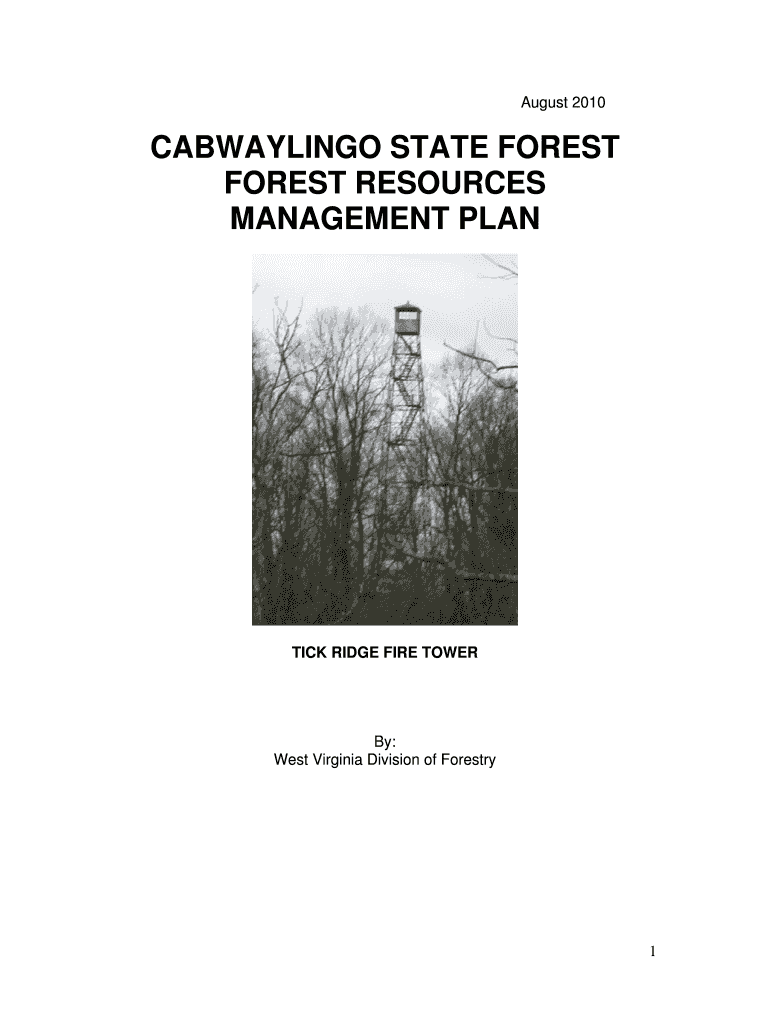
The "Division of Forestry - WV Department of Commerce - State of" refers to the administrative body responsible for managing state forest resources in West Virginia. The division focuses on sustainable forestry practices to maintain ecological health, promote biodiversity, and support economic benefits through timber and non-timber forest products. This entity often coordinates efforts to balance conservation with recreational and commercial uses.
How to Obtain the Division of Forestry - WV Department of Commerce - State of
To obtain the necessary forms or documents related to the Division of Forestry in West Virginia, individuals or organizations typically need to contact the WV Department of Commerce. The department's official website is a central resource for accessing forms online. In-person visits to their offices or requests via mail can also provide the necessary documentation. It is advisable to clarify the specific requirements related to your request to ensure comprehensive service.
Steps to Complete the Division of Forestry - WV Department of Commerce - State of
- Identify the Required Form: Determine which specific form or application you need from the Division of Forestry.
- Obtain the Form: Access the necessary form through the West Virginia Department of Commerce's website or request it by mail.
- Read Instructions Carefully: Ensure you fully understand the guidelines and instructions provided with the form.
- Complete the Form: Fill out all necessary fields accurately. Pay attention to mandatory sections that must be completed.
- Attach Required Documents: Include any additional documentation or evidence requested, such as identification or prior registrations.
- Submit the Form: Forward the completed form and attachments through the specified channels, which could be online, by mail, or in person.
- Confirmation and Follow-Up: Keep a copy of your submission for reference and follow up if confirmation of receipt or further action is required.
Key Elements of the Division of Forestry - WV Department of Commerce - State of
The Division focuses on several critical functions including:
- Forest Management: Implementation of sustainable practices to maintain forest health and productivity.
- Conservation Efforts: Initiatives to preserve biodiversity and protect wildlife habitats.
- Resource Utilization: Balancing commercial forestry with ecological concerns, including timber harvesting.
- Recreational Use: Facilitating public access and enjoyment of state forests while maintaining environmental standards.
State-Specific Rules for the Division of Forestry - WV Department of Commerce - State of
West Virginia has particular statutes and regulations governing forestry activities. These include guidelines for timber sales, fire management protocols, and restrictions on land use changes. Compliance with these rules is essential to ensure environmentally responsible and legally sound operations within state forests.
Examples of Using the Division of Forestry - WV Department of Commerce - State of
A logging company might use the Division to secure permits for timber harvesting, ensuring adherence to sustainable logging practices. Similarly, conservation groups could engage with the Division to collaborate on habitat restoration projects. Additionally, recreational enthusiasts often rely on guidelines and maps provided by the Division for planning outdoor activities within state forests.
Legal Use of the Division of Forestry - WV Department of Commerce - State of
Legal uses of the Department's resources and oversight include obtaining permits for land use changes, engaging in regulated timber harvesting, and applying for grants or funds directed at sustainable forestry initiatives. Adhering to legal requirements is crucial to avoid penalties or operational disruptions.
Penalties for Non-Compliance
Failing to comply with the regulations set forth by the WV Division of Forestry can lead to significant penalties. These may include fines, suspension of permits, or legal action. Non-compliance typically arises from unauthorized logging activities, environmental violations, or failure to adhere to fire management rules. It is crucial for individuals and organizations involved in forestry activities to understand and follow all applicable laws and guidelines to avoid these repercussions.