
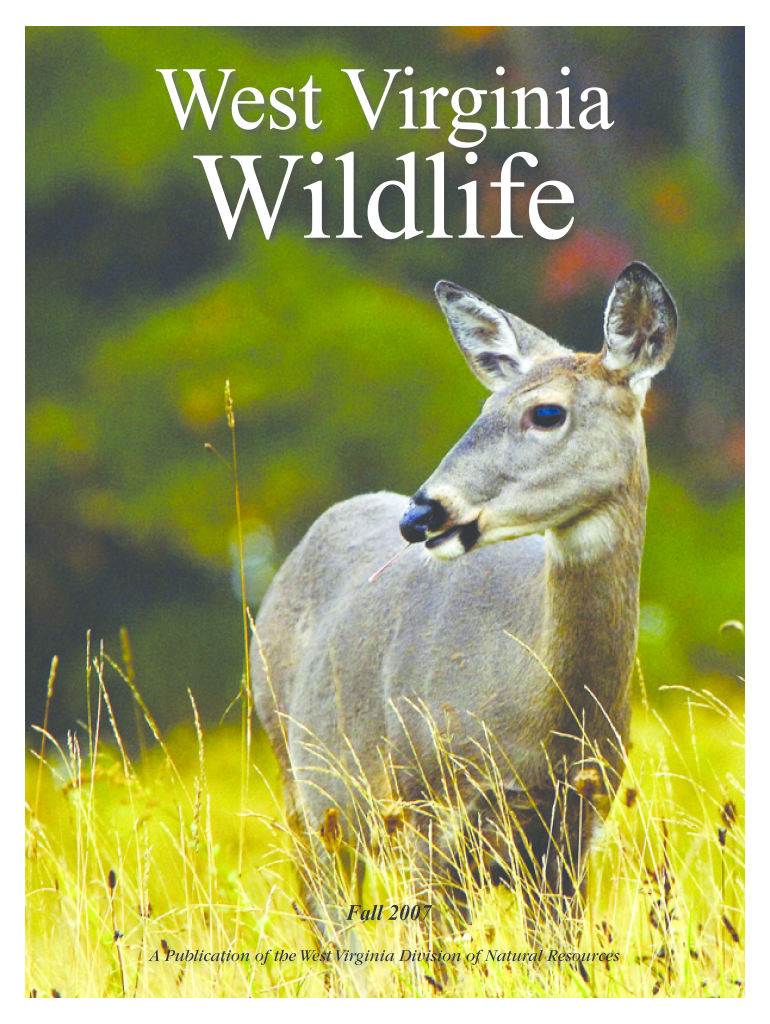







Definition and Purpose of the Wildlife - West Virginia Division of Natural Resources
The Wildlife - West Virginia Division of Natural Resources (WVDNR) is a key component of the state's effort to manage and conserve its rich wildlife resources. The division focuses on preserving biodiversity, implementing conservation programs, and enforcing wildlife laws to ensure sustainable ecosystems. WVDNR engages in various activities ranging from habitat restoration to public education, all aimed at fostering a harmonious relationship between humans and nature.
Steps to Utilize the Wildlife - West Virginia Division of Natural Resources
-
Research: Begin by exploring the WVDNR website to understand the different services and resources available, such as hunting licenses, educational resources, and conservation programs.
-
Application: For activities like hunting or fishing, fill out the necessary forms and ensure compliance with relevant regulations. This can often be done online for convenience.
-
Participation: Engage in various WVDNR-sponsored programs such as wildlife surveys or conservation workshops to learn more and contribute to local wildlife efforts.
How to Obtain Permits from the WVDNR
Securing permits from the Wildlife - West Virginia Division of Natural Resources involves a structured process:
- Visit the WVDNR official website and select the appropriate permit type, whether for hunting, fishing, or wildlife management.
- Complete the online application form, providing all required personal and contact details.
- Pay any applicable fees using the secure payment gateway provided.
- Review state-specific requirements that may impact eligibility or approval time.
Key Elements Included in WVDNR Programs
- Conservation Initiatives: Programs targeting the protection of endangered species and the restoration of native habitats.
- Educational Efforts: Workshops and educational content for schools and communities to promote awareness and involvement in wildlife preservation.
- Research and Monitoring: Initiatives involving the systematic study of wildlife populations and habitat conditions to inform policy decisions.
Who Typically Utilizes the WVDNR Resources
A diverse group of people benefit from WVDNR resources, including:
- Outdoor Enthusiasts: Individuals who participate in activities such as hiking, bird watching, fishing, or hunting.
- Educators and Students: Schools and educational institutions looking for nature-based learning resources.
- Conservationists: Professionals and volunteers engaged in wildlife protection and habitat management.
Important Terms Associated with WVDNR
Understanding certain key terms can enhance the use of WVDNR resources:
- Biodiversity: The variety of plant and animal life in a particular habitat, highlighting the need for diverse conservation approaches.
- Habitat Restoration: Processes aimed at returning ecosystems to a near-natural state to support native wildlife.
- Wildlife Management: The art of combining ecological knowledge and policy-making to regulate and safeguard wildlife populations and their habitats.
Legal Usage and Compliance Requirements
- Regulations: Strict adherence to state wildlife laws is essential. This includes compliance with hunting seasons, bag limits, and protected species regulations.
- Penalties for Non-Compliance: Violations can result in fines, license revocation, and legal action to protect wildlife resources and ensure public safety.
Examples of Practical Application of WVDNR Services
- Hunting Licenses: Obtaining a seasonal hunting license via WVDNR involves ensuring compliance with state regulations on hunting practices and ethics.
- Educational Programs: Schools integrating WVDNR materials into their curriculum can foster a deeper appreciation for the environment among students.
- Wildlife Surveys: Participating in these allows citizens to play an active role in helping monitor species populations and contribute to statewide conservation data.
These blocks collectively provide an in-depth overview and utility of the Wildlife - West Virginia Division of Natural Resources for residents and those interested in the state's wildlife and conservation efforts.




