







Definition & Meaning
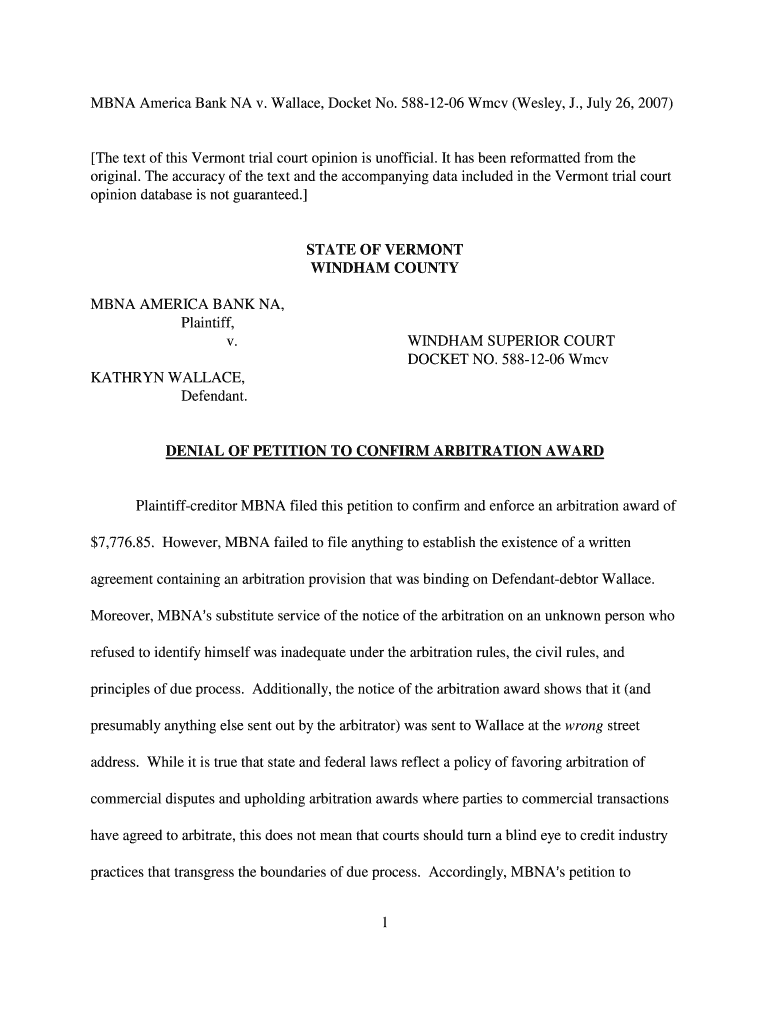
The "2 TCdecisioncvl - Vermont Judiciary - vermontjudiciary" refers to a collection of trial court decisions from Vermont's judicial system. These decisions cover a specific time frame from 2006 to 2010 and involve civil litigation matters. This document serves as a legal resource for understanding how trial courts in Vermont approached various civil cases, reflecting judicial interpretations and applications of the law during that period. It is essential for legal professionals seeking to comprehend historical case law trends and the judiciary's stance on particular civil issues.
How to Use the 2 TCdecisioncvl - Vermont Judiciary - vermontjudiciary
To utilize this document effectively, legal practitioners and researchers often review past court decisions to inform current case strategies. Understanding previous rulings helps identify how similar cases might be adjudicated.
-
Identify Relevant Cases: Search the document for cases similar to your current legal issue. Look for keywords or use indexing if available.
-
Analyze Court Reasoning: Review how the court reached its decision. Pay attention to legal rationale, cited precedents, and interpretations of statutes.
-
Extract Legal Principles: Identify recurring legal themes or principles that could apply to new cases.
-
Predict Outcomes: Assess how the established patterns in past decisions might influence future litigation.
Steps to Complete the 2 TCdecisioncvl - Vermont Judiciary - Vermont Judiciary
Engaging with this form requires several methodical steps to ensure comprehensive analysis:
-
Acquire Access: Obtain the document either through legal databases, Vermont's judiciary website, or legal library archives.
-
Review Contents: Skim through the document to get an overview of the types of cases included.
-
Select Cases of Interest: Use filters or table of contents to locate specific cases relevant to your area of interest.
-
Detailed Examination: Read through the full text of selected decisions, focusing on legal arguments and outcomes.
-
Document Findings: Take notes on important rulings and how they were justified, keeping these organized for future reference.
Who Typically Uses the 2 TCdecisioncvl - Vermont Judiciary - Vermont Judiciary
This form is predominantly used by:
- Attorneys: For case preparation, understanding of judicial trends, and crafting of legal arguments.
- Judges: As a reference for making informed decisions and ensuring consistency in applying the law.
- Legal Scholars: To conduct research and analyze trends within Vermont's judiciary decisions.
- Law Students: For educational purposes in understanding practical applications of legal theory.

Legal Use of the 2 TCdecisioncvl - Vermont Judiciary - Vermont Judiciary
The primary legal use of this document is to assist in:
- Case Law Study: Providing insight into how past cases have been decided.
- Legal Research: Supporting arguments with historical case data.
- Brief Preparation: Citing previous decisions to bolster current legal strategies.
Key Elements of the 2 TCdecisioncvl - Vermont Judiciary - Vermont Judiciary
This document includes several key elements:
- Case Summaries: Brief overviews of each case's facts, issues, and outcomes.
- Judicial Opinions: Detailed explanations of the legal reasoning behind each decision.
- Precedential Citations: References to prior rulings and legal standards used to justify decisions.
State-Specific Rules for the 2 TCdecisioncvl - Vermont Judiciary - Vermont Judiciary
The document respects Vermont's state-specific rules, capturing unique legal interpretations and applications:
- Vermont Statutes: How they were interpreted and applied during 2.
- State Procedural Rules: Procedural aspects particular to Vermont civil litigation.
- Local Precedents: Cases that have set significant precedents within the state.
Examples of Using the 2 TCdecisioncvl - Vermont Judiciary - Vermont Judiciary
Real-world applications of the document include:
- Challenge Convictions: Using past decisions to find gaps or inconsistencies in case law.
- Guide Settlement Negotiations: Offering insights into how similar cases were adjudicated, affecting settlement tactics.
- Educate on Legal Trends: Disseminating patterns and shifts in legal interpretations over time.
Through these practical applications, professionals leverage the document to make informed decisions and enhance their understanding of Vermont's judicial landscape.




