







Definition and Purpose
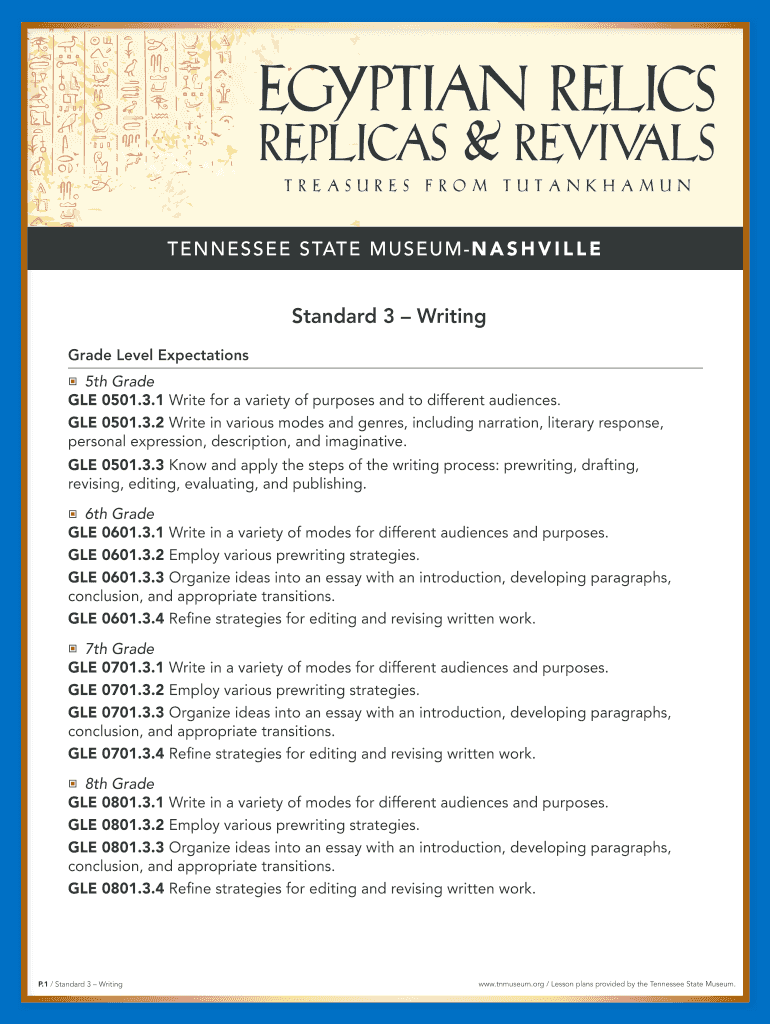
The "Tennessee's State English Language Arts Standards Grade 7" serves as a comprehensive framework outlining the expectations in literacy and language arts for seventh-grade students within the state. These standards provide guidelines that teachers use to inform curriculum development, ensuring students gain proficiency in reading, writing, speaking, and listening. By setting clear objectives, the standards aim to equip students with the skills necessary for academic success and effective communication.
Practical Applications of the Standards
In-Classroom Integration
- Curriculum Development: Educators employ the standards to design lesson plans, aligning instruction and assessments with state expectations.
- Differentiated Instruction: Teachers can adapt the standards to cater to diverse learning needs, accommodating varying proficiency levels among students.
Student Assessments
- Standardized Testing: Tests aim to measure student achievement relative to the standards, providing insights into areas needing additional focus.
- Progress Monitoring: Regular evaluations help track student progress in acquiring skills outlined by the standards.
Acquisition and Access
Availability
- State Education Websites: The standards are accessible online, typically through the Tennessee Department of Education's website, providing educators with up-to-date information.
- Educational Conferences: Workshops and sessions often focus on the implementation of these standards, serving as additional resources for educators.
Completing and Applying the Standards
Steps for Educators
- Review Documentation: Study the complete standards to understand the objectives and outcomes expected for grade seven.
- Lesson Planning Integration: Align weekly lesson plans with specific standards to ensure comprehensive coverage.
- Assessment Alignment: Develop assessments that reflect the skills and knowledge detailed in the standards.
Importance of Adopting the Standards
Educational Benefits
- Consistency Across Classrooms: Promotes uniformity in teaching practices across the state, ensuring all students receive equitable learning opportunities.
- Skill Development: Focuses on enhancing literacy skills crucial for student success in higher education and future careers.
Target Users of the Standards
Primary Audience
- Seventh Grade Teachers: Use the standards to structure instruction and evaluate student progress.
- Curriculum Specialists: Design and modify educational programs based on the standards to ensure alignment with state expectations.
Key Components of the Standards
Core Areas of Focus
- Reading Literature: Emphasizes comprehension and analysis of a variety of texts.
- Writing Objectives: Covers various writing styles and purposes, from narrative to persuasive texts.
- Research Skills: Encourages students to engage with and evaluate sources, integrating findings into written reports.
State-Specific Guidelines
Tennessee Emphasis
- Cultural Relevance: Incorporates texts and topics that reflect the cultural and historical context of Tennessee.
- Standard Modifications: Adaptation for state-specific educational goals, ensuring relevance and applicability to Tennessee students.
Real-World Examples of Standards Implementation
Case Studies
- Literacy Initiative Programs: Schools implementing targeted literacy programs have seen enhanced reading and comprehension skills among students.
- Cross-Disciplinary Projects: Integrating English language arts standards into science and social studies has fostered more critical thinking and problem-solving skills in students.
These detailed blocks provide a comprehensive overview of "Tennessee's State English Language Arts Standards Grade 7," offering educators and stakeholders a deep understanding of its application, importance, and implementation in the educational landscape.




