
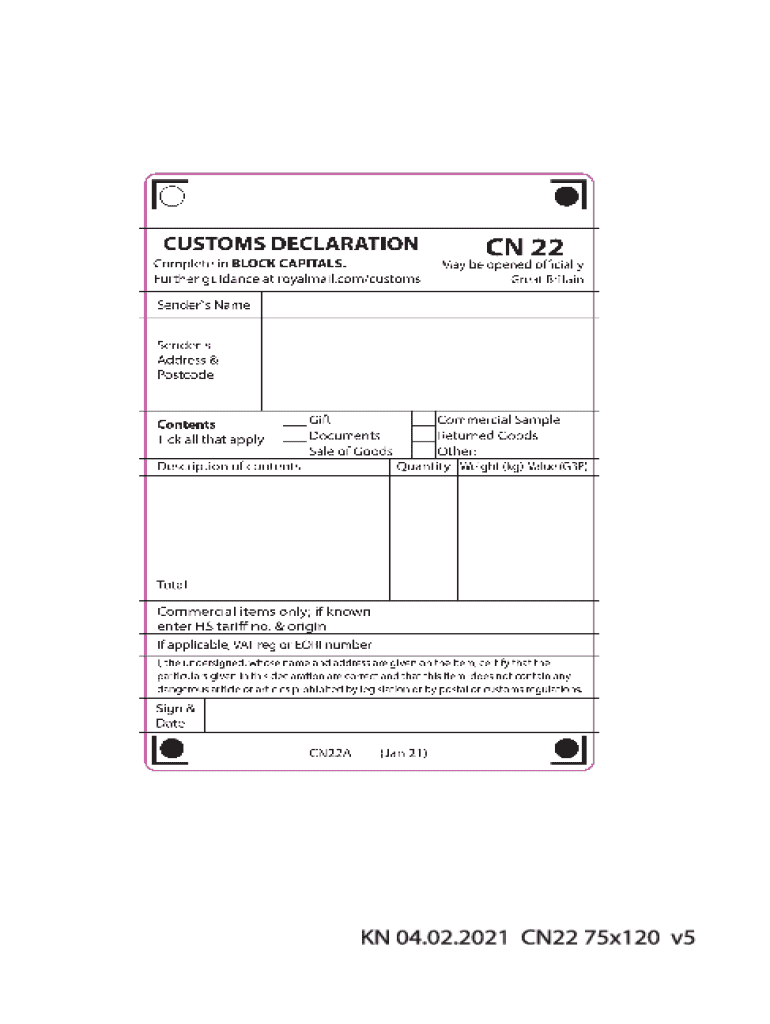







Definition and Meaning of Forms Online
Forms online refer to digital documents that can be filled, submitted, and sometimes processed over the internet. These forms replace traditional paper forms, offering a more convenient, efficient, and eco-friendly way to gather and manage information. Available across various sectors such as government, business, healthcare, and education, online forms streamline processes like data entry, registration, and compliance reporting. They often include features such as auto-fill, real-time validation, and submission tracking to enhance usability and accuracy. Utilizing online forms reduces the risk of data loss and allows for easier integration with digital tools and databases.
How to Use Forms Online
To make the most of online forms, follow these practical steps:
-
Access the Form:
- Locate the required form through a website or portal. It might be accessible via direct links, search functions, or menus.
- Ensure compatibility with your device and browser.
-
Form Completion:
- Fill out required fields: Use provided text boxes, dropdown menus, and checkboxes.
- Pay attention to mandatory fields marked with an asterisk.
-
Validation:
- Some forms have built-in validation to ensure all required fields are correctly filled. Watch for prompts or error messages.
-
Submission:
- After completing the form, look for a "Submit" button.
- Verify the submission by checking for confirmation messages or emails.
These steps ensure that forms are completed efficiently and accurately, minimizing errors and delays in processing.
Steps to Complete the Form Online
Completing an online form correctly involves several crucial steps:
-
Gather Necessary Information:
- Identify what information is required to complete the form (e.g., identification numbers, financial details).
- Prepare supporting documents if needed, such as previous forms or identification.
-
Review Instructions:
- Carefully read any instructions or guidelines provided with the form to understand requirements and expectations.
-
Complete the Form:
- Input data accurately in all required fields, making use of any help icons or tooltips available.
- Use tab keys or navigation buttons to switch fields efficiently.
-
Verify Accuracy:
- Double-check your entries for accuracy before proceeding.
- Some forms allow you to save a draft for later review.
-
Submit the Form:
- Click the "Submit" button. Some platforms may provide a preview or confirmation step before final submission.
- Watch for on-screen confirmation or a follow-up email to ensure submission was successful.
Attention to detail in these steps helps prevent rejections or additional follow-up, streamlining form processing.
Why Should You Use Forms Online
Using online forms offers several compelling benefits:
- Efficiency: Streamlined process allows faster completion and submission.
- Accessibility: Forms are available anytime and can be accessed from various devices.
- Cost-Effectiveness: Reduces need for printing, postage, and physical storage.
- Data Management: Simplifies data collection, storage, and analysis.
- Environmentally Friendly: Limits paper usage and waste.
Organizations and individuals benefit from improved workflows, reduced errors, and enhanced operational efficiencies by opting for online forms over traditional paper-based alternatives.
Key Elements of Forms Online
Online forms contain various essential components designed to enhance functionality and user experience:
- Input Fields: Text boxes, checkboxes, dropdowns, and radio buttons for data entry.
- Auto-Fill Options: Suggests or populates fields based on previous entries or linked accounts.
- Validation Features: Ensures data is input correctly and completely before submission.
- Security Measures: Employs encryption and authentication to protect sensitive information.
- Navigation Aids: Offers clear instructions and easy navigation via tabs or progress bars.
These elements work together to ensure an intuitive experience for users, ensuring data integrity and minimizing errors.
Examples of Using Forms Online
Online forms are ubiquitous in various sectors:
- Tax Filing: E-filing platforms for tax returns save time and offer instant validation.
- Job Applications: Online forms streamline application processes, allowing attachments like resumes.
- Feedback and Surveys: Digital forms enable businesses to collect customer feedback efficiently.
- Event Registrations: Simplifies attendee sign-ups, with integrated payment options for ticketed events.
These examples demonstrate the versatility and broad applicability of online forms across different contexts.
Legal Use of Forms Online
Completing forms online often carries the same legal weight as paper documents, provided certain conditions are met:
- Compliance: Ensure forms comply with relevant laws such as ESIGN Act or state-specific regulations.
- Authentication: Many forms require identification or digital signatures to validate authenticity.
- Retention: Adhere to guidelines for record retention, as digital forms must be stored securely for required durations.
It's crucial for users and organizations to understand the legal implications and ensure compliance when using online forms.
State-Specific Rules for Forms Online
While federal guidelines often govern online forms, each state may have specific requirements:
- Filing Requirements: Tax or legal forms may have different deadlines and required documentation based on state laws.
- Privacy Regulations: States like California have unique data protection laws that impact form design and data handling.
- Accessibility Requirements: Compliance with state-specific standards for accessibility can ensure forms are usable by all individuals.
Understanding and adapting to these state-specific rules is essential for organizations operating in multiple jurisdictions, ensuring compliance and avoiding potential penalties.




