







Definition and Meaning
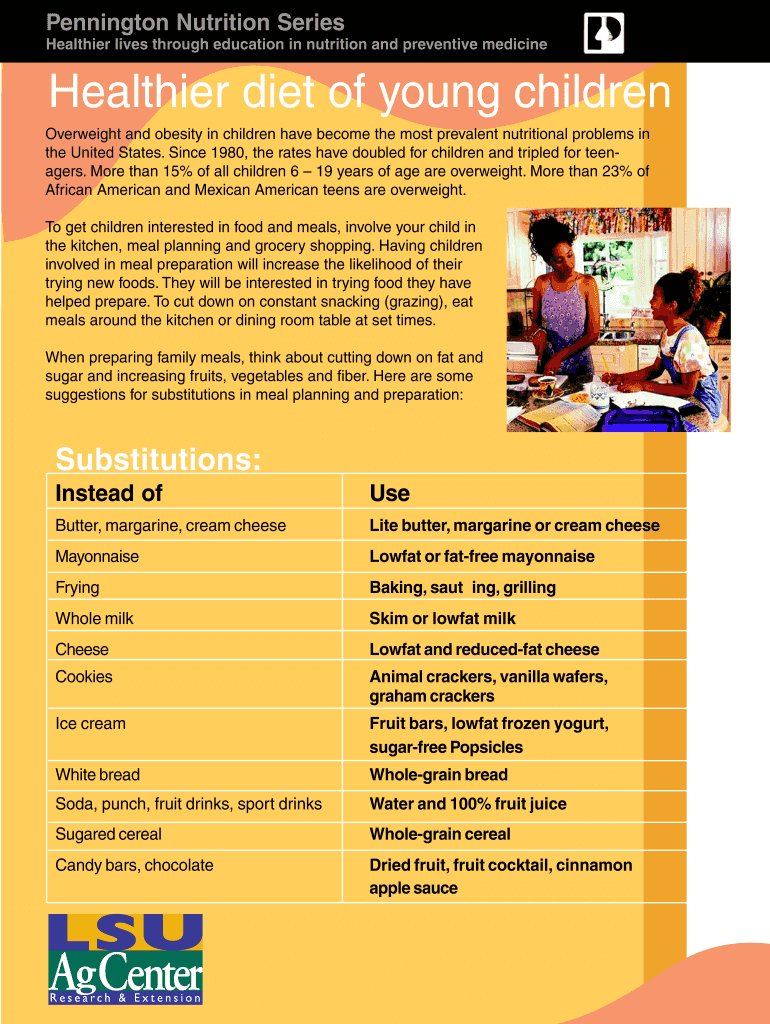
The "Healthier diet of young children - Pennington Biomedical Research" is a comprehensive guide designed to enhance the nutritional well-being of children. Developed by the Pennington Biomedical Research Center, this form serves as an educational resource focusing on proper nutrition and preventive medicine to counteract rising obesity rates among children in the U.S. It emphasizes practical steps such as involving children in meal preparation and making healthy food substitutions. The guide also integrates MyPyramid guidelines to help caregivers create balanced meals, thereby fostering healthier lifestyle habits.
Who Typically Uses the Healthier Diet Guide
This guide is primarily utilized by parents, caregivers, educators, and healthcare professionals focused on children's health. It acts as a valuable resource for those aiming to introduce and maintain a healthier diet for young children. Schools and community health programs may incorporate this guide into their curricula to educate and engage children and their families in healthy eating practices. Additionally, nutritionists and dieticians can use it as a reference to craft personalized dietary plans for young clients.


Key Elements of the Healthier Diet Guide
The guide includes several essential components designed to promote nutritious eating habits:
- Meal Preparation Involvement: Encourages involving children in preparing meals to increase their interest in healthy foods.
- Healthy Substitutions: Provides examples of substituting less nutritious ingredients with healthier options.
- Snack Recommendations: Offers healthy snack suggestions to support children's growth and development.
- MyPyramid Guidelines: Utilizes these guidelines to ensure meals are balanced and cover all necessary food groups.
Steps to Understand and Apply the Guide
- Review the Educational Content: Start by understanding the nutritional education provided in the guide.
- Involve Children in Cooking: Use the tips within the guide to include children in kitchen activities, helping them learn about healthy food choices hands-on.
- Implement Substitutions: Apply the suggestions for healthier ingredient swaps in everyday meals.
- Follow MyPyramid Guidelines: Use these guidelines to structure balanced and nutritious meals for children.
- Incorporate Healthy Snacks: Integrate recommended snack options to maintain nutritional balance throughout the day.
Importance of the Guide
The guide plays a crucial role in preventive health by mitigating the increasing rates of childhood obesity. By instilling healthy eating habits from a young age, it supports long-term health and reduces the risk of developing chronic diseases later in life. Furthermore, it empowers parents and caregivers with the knowledge and tools needed to make informed dietary decisions for their children.
Examples of Using the Guide
- School Programs: Integrating the guide into health education classes to teach students about nutrition.
- Family Meal Planning: Parents can use the guide to develop weekly meal plans that incorporate recommended dietary practices.
- Healthcare Settings: Pediatricians might refer to the guide during consultations to advise families on nutrition.
Legal Considerations and Use
While primarily educational, the guide must align with nutritional guidelines and regulations set by U.S. health authorities. It is crucial for users to ensure that their application of the guide adheres to these standards to provide safe and reliable dietary advice. Organizations implementing the guide should frequently review updates from the Pennington Biomedical Research Center to keep their information current.
Versions and Alternatives
The original form may have undergone revisions to reflect the latest nutritional research findings. Users should verify they are utilizing the most recent version of the guide. Alternative resources such as government nutritional guidelines or publications from other reputable research centers may supplement the information provided by this guide.




