







Definition & Meaning
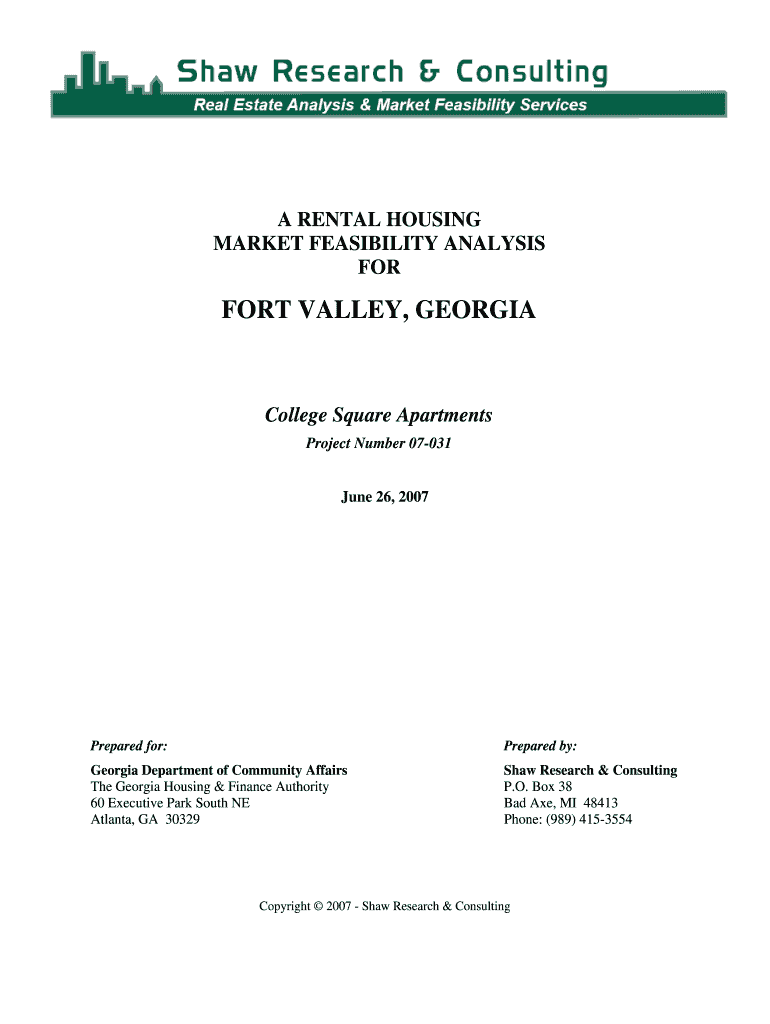
The "Safe and Affordable Housing Georgia Department of Community Affairs" form is a critical document designed to facilitate access to housing assistance in Georgia. This form functions as an application for individuals and families seeking to benefit from programs that support the development and rehabilitation of affordable housing options. The Georgia Department of Community Affairs oversees this initiative to ensure housing accessibility for various income levels, particularly focusing on low-income households. By filling out this form, applicants express their interest in participating in relevant housing programs or projects, such as those that may involve renovations like the College Square Apartments in Fort Valley.
How to Use the Safe and Affordable Housing Georgia Department of Community Affairs
To effectively use this form, applicants must first understand the qualifications and requirements associated with the housing assistance programs offered by the Georgia Department of Community Affairs. Start by gathering all necessary personal and financial information, as this will be fundamental for accurate and complete form submission. Potential applicants should:
- Review eligibility criteria to ensure they qualify for the intended housing assistance.
- Complete all sections of the form, paying close attention to required fields.
- Provide supporting documents as specified in the form instructions.
- Submit the form through the designated channels, whether online, by mail, or in person.
Maintaining accuracy and thoroughness in the application process is crucial, as any errors or omissions can delay processing or lead to rejection.
Key Elements of the Safe and Affordable Housing Georgia Department of Community Affairs
Several core components are integral to the form:
- Applicant Information: Includes personal details such as name, address, and contact information.
- Income Details: Requires disclosure of income levels to assess eligibility based on financial need.
- Housing Needs: Assessment of current housing situation and the specific needs that the applicant hopes to address.
- Program Selection: Identification of the specific assistance program for which the applicant is applying.
- Signatures: Required to confirm the authenticity and accuracy of the provided information.
Understanding these elements is essential for completing the form correctly and expeditiously.
Steps to Complete the Safe and Affordable Housing Georgia Department of Community Affairs
Completing the form involves several steps:
- Initial Review: Carefully read all instructions provided with the form.
- Information Gathering: Collect personal identification, income statements, and additional documents.
- Form Completion: Fill out each section with accurate information, ensuring that no required field is left blank.
- Verification: Double-check the form for errors or omissions to prevent processing delays.
- Submission: Submit the form using the preferred method — online, mail, or in-person drop-off.
- Follow-up: Track the application status and respond promptly to any requests for additional information.
A meticulous approach to these steps is vital to optimize the chances of a successful application.
Eligibility Criteria
Applicants must meet specific criteria to qualify for the housing assistance programs associated with this form. Generally, eligibility is determined based on:
- Income Limits: Only those below a certain income threshold are eligible.
- Residency Requirements: Proof of residence in Georgia is typically mandatory.
- Housing Status: Applicants must demonstrate their need for affordable housing through documentation of current living conditions.
Potential applicants should closely examine these criteria to ensure they meet all conditions before applying.


State-Specific Rules for the Safe and Affordable Housing Georgia Department of Community Affairs
Georgia-specific regulations influence how this form operates within the state's housing programs. These rules may include distinctions based on:
- Regional Housing Needs: Variations in demand and supply across different areas of Georgia.
- State Funding Allocation: How state budget considerations impact available program resources.
- Regulatory Compliance: Adherence to state housing codes and statutes regarding fair housing practices.
Staying informed about these rules helps applicants better navigate the application process and align their submissions with state policies.
Examples of Using the Safe and Affordable Housing Georgia Department of Community Affairs
Several scenarios illustrate the practical use of this form:
- Family Relocation: A low-income family looking to relocate to a safer neighborhood.
- Elderly Housing Needs: Seniors needing affordable housing options closer to healthcare facilities.
- Rehabilitation Projects: Residents participating in community redevelopment projects like the renovation of College Square Apartments.
These examples elucidate how the form facilitates access to diverse housing assistance opportunities aimed at improving living standards.
Important Terms Related to Safe and Affordable Housing Georgia Department of Community Affairs
Familiarity with certain terms enhances understanding of the form:
- AMI (Area Median Income): A measurement used to determine income eligibility.
- HUD (U.S. Department of Housing and Urban Development): The federal entity that often partners with state agencies for housing programs.
- Low-Income Housing Tax Credit (LIHTC): A tax incentive encouraging the development of affordable rental housing.
Knowledge of these terms aids applicants in comprehending the scope and intent of the housing initiatives tied to this form.




