







Definition and Meaning
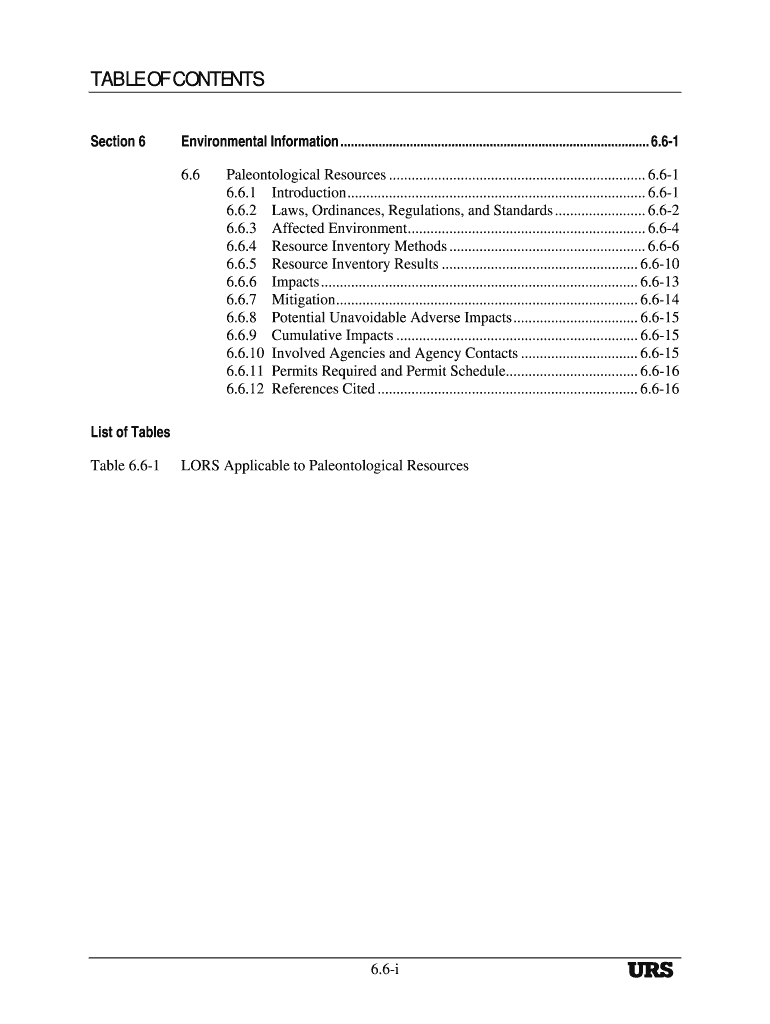
The "Section6 6PaleontologicalJG05-09-06FINAL doc - energy ca" is a document that assesses paleontological resources relating to the ECGS Unit 3 Repower Project in Imperial County, California. It's a comprehensive file created to evaluate and mitigate the potential environmental impacts on paleontological resources within the project area. This document serves as a critical reference for understanding how construction activities can affect fossil sites and outlines necessary steps to preserve these significant scientific resources.
Purpose and Usage
Understanding the Document's Use
The primary use of this document is to provide a structured method for recognizing and addressing potential paleontological concerns within the context of energy projects. The document is particularly relevant for professionals involved in environmental assessments, including contractors, environmental scientists, and regulatory bodies overseeing compliance with environmental regulations. It aims to ensure that construction activities comply with applicable laws and protect non-renewable fossil resources.
Preserving Scientific Resources
- Addresses potential adverse impacts on fossil sites during construction.
- Offers mitigation strategies to safeguard significant paleontological resources.
- Serves as a guide for implementing monitoring protocols.
How to Obtain the Document
Steps to Access the Form
- Search Online: Visit relevant environmental or governmental websites related to energy projects in California.
- Contact Regulatory Authorities: Reach out to organizations such as the California Energy Commission or local government offices in Imperial County for direct access or guidance.
- Download from Official Databases: Look for the document in legal document hubs like DocHub, ensuring it is the most recent version for compliance.
Requirements
- Ensure you're obtaining the document from a credible source.
- Verify the version and publication date for accuracy.
Completing the Form
Step-by-Step Guide
- Gather Necessary Information: Collect data on the project's location, scope, and paleontological stakes.
- Fill Out Details Methodically: Enter information accurately and ensure all required sections are thoroughly addressed.
- Consult Experts: Engage paleontologists or environmental consultants for expert input on mitigation measures.
Common Mistakes to Avoid
- Omitting critical regulatory compliance information.
- Failing to outline specific mitigation strategies.
- Incomplete data on resource inventories.
Legal Implications
Compliance and Regulations
The document must conform to local, state, and federal regulations governing the protection of paleontological resources. In the U.S., similar assessments are governed by environmental laws such as the National Environmental Policy Act (NEPA) and state-specific mandates. This ensures that resource evaluations and construction activities do not illegally damage scientifically significant deposits.
Regulatory Bodies
- California Energy Commission
- Local County Environmental Departments
Key Elements of the Document
Major Components
- Project Description: Comprehensive outline of the ECGS Unit 3 Repower Project including the geographic scope.
- Cultural and Environmental Context: Detailed analysis of the area's paleontological significance.
- Impact Assessment: Thorough evaluation of potential effects on fossil sites.
- Mitigation Measures: Proposed actions to minimize adverse impacts.
- Compliance Information: List of applicable regulations and standards.
Important Terms and Concepts
Glossary of Key Terms
- Paleontological Resources: Fossils and related data that provide historical insights and scientific information.
- Mitigation Measures: Strategies and actions designed to reduce negative impacts on the environment.
- Environmental Compliance: Adherence to laws and regulations designed to protect environmental resources.
Examples and Scenarios
Real-World Applications
- Example Case Study: A construction project in Imperial County used this document to effectively adjust their plans, incorporating buffer zones around identified fossil sites.
- Scenario Application: During the project planning phase, teams can use this document to ensure early detection and preservation of paleontological resources, avoiding legal repercussions and enhancing sustainable practices.
State-Specific Rules
Focus on California
Specific rules applying to the state of California emphasize public awareness and education on the preservation of paleontological resources. California's rich fossil records underscore the need for detailed assessments like those within this document. This often includes:
- Collaborative efforts with local universities and museums for educational outreach.
- More stringent penalties and detailed documentation processes compared to other states.
By following these detailed guidelines, users of "Section6 6PaleontologicalJG05-09-06FINAL doc - energy ca" can better manage their projects' environmental impact, ensuring compliance and the preservation of valuable paleontological sites.




