
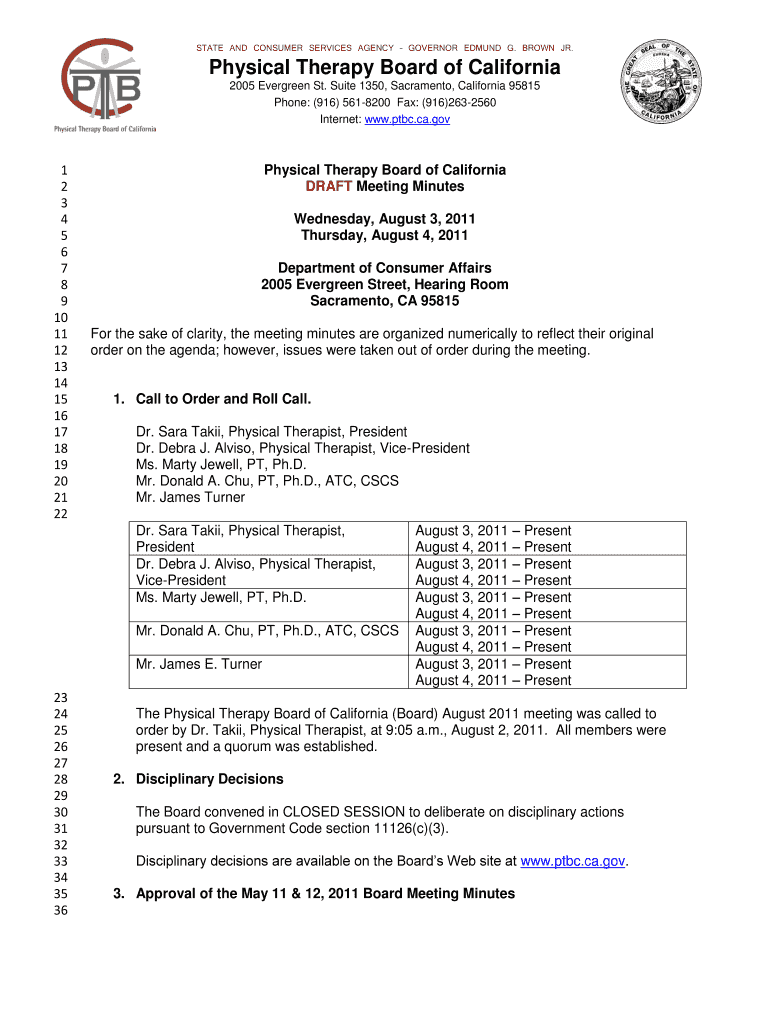







Understanding the Role of Sara Takii, Physical Therapist, President
The title "Sara Takii, Physical Therapist, President" implies significant positions in both healthcare and leadership. As a physical therapist, Sara Takii likely provides assessments and treatments to improve patients' movements and manage pain. Her role as president suggests leadership responsibilities, potentially within a healthcare setting or organization related to physical therapy.
Responsibilities of a Physical Therapist
Physical therapists like Sara Takii work with individuals to manage pain, improve mobility, and enhance physical function. Their responsibilities typically include:
- Conducting assessments to diagnose patients' physical limitations
- Developing personalized treatment plans
- Using exercises and therapies to aid recovery and physical improvement
- Educating patients on injury prevention and health maintenance
- Collaborating with other healthcare professionals to ensure comprehensive care
Leadership Challenges and Duties
As a president within an organization, Sara Takii would be responsible for overseeing operations, strategic planning, and representing the organization. Key duties often encompass:
- Managing organizational budgets and resources
- Leading and motivating staff and teams
- Setting and achieving goals for the organization
- Establishing partnerships and representing the organization in negotiations
- Ensuring compliance with legal and ethical standards in healthcare
How to Obtain the "Sara Takii, Physical Therapist, President" Title
To achieve the roles embodied by "Sara Takii, Physical Therapist, President," one needs a combination of education, experience, and competencies.
Educational Path and Licensing
Becoming a physical therapist requires:
- Education: Completing a Doctor of Physical Therapy (DPT) program accredited by the Commission on Accreditation in Physical Therapy Education.
- Licensing: Passing the National Physical Therapy Examination (NPTE) and fulfilling state-specific licensing requirements.
- Certification: Optional certifications in specialized areas such as sports or geriatrics for career advancement.
Leadership Development
Leadership roles generally demand significant experience, often requiring:
- Professional Experience: Gaining several years of experience in physical therapy while demonstrating strong capabilities in healthcare management.
- Business or Leadership Education: Pursuing advanced degrees or professional development opportunities in healthcare management or business administration.
- Networking: Establishing connections within the industry can open pathways to leadership opportunities.
Key Elements and Importance of the Role
Understanding the key components and importance of such a role involves recognizing the impact on healthcare quality and organizational success.
Core Functions
- Patient Care: Enhancing patient outcomes through effective therapies and care strategies.
- Organizational Leadership: Guiding the organization towards achieving its mission and goals.
- Innovation in Healthcare: Implementing new methods and technologies to improve physical therapy services.
Impact on the Industry
The integration of clinical expertise with leadership in healthcare is crucial for:
- Improving Service Delivery: Ensuring that healthcare services are efficient and patient-centered.
- Shaping Healthcare Policies: Influencing policy and standards in physical therapy and broader healthcare fields.
- Enhancing Professional Standards: Setting benchmarks for technical and ethical practices within the industry.
Important Terms Related to "Sara Takii, Physical Therapist, President"
Familiarity with terminology commonly associated with physical therapy and leadership enhances understanding and communication.
Terms in Physical Therapy
- Rehabilitation: Process of restoring skills and normal life through therapy after injury or illness.
- Modalities: Treatment techniques used by physical therapists, such as ultrasound or electrical stimulation.
- Biomechanics: Study of motion and forces affecting the human body, crucial in developing therapy strategies.
Leadership and Management Terms
- Strategic Planning: Defining strategy and direction by setting objectives and allocating resources.
- Change Management: Approaching transitioning processes or systems to meet evolving organizational goals.
- Organizational Culture: The values, beliefs, and behaviors that guide how an organization operates.
Legal and Ethical Use of Titles
Holding the title "Sara Takii, Physical Therapist, President" comes with legal and ethical responsibilities which include:
Adherence to Regulations
- Licensing Laws: Complying with state laws governing the practice of physical therapy.
- Policy Compliance: Abiding by healthcare policies and organizational regulations.
Ethical Practices
- Patient Confidentiality: Safeguarding private information according to HIPAA regulations.
- Professional Integrity: Maintaining honesty and objectivity in all interactions and decisions.
Who Typically Uses the "Sara Takii, Physical Therapist, President" Title
The title is commonly held by:
- Healthcare Professionals: Those advancing from clinical roles to leadership positions within health organizations.
- Academic Leaders: Individuals leading educational institutions or programs related to physical therapy.
- Industry Advocates: Professionals representing associations or advocacy groups within the physical therapy sector.


State-Specific Rules for Practicing Physical Therapy
Every state in the U.S. has specific regulations governing physical therapy practices:
Licensing and Practice Forms
- Licensure Maintenance: Requirements for continuing education and license renewal vary by state.
- Practice Scope: Definitions of permissible treatments and duties that can be performed by physical therapists.
- Telehealth Regulations: Guidelines and permissions for providing virtual care, differing by state.
Understanding these elements ensures professionals can effectively fulfill the roles similar to "Sara Takii, Physical Therapist, President," leading to meaningful contributions in both patient care and organizational leadership within the dynamic healthcare landscape.




