Definition and Purpose of the Remplissable Contrat de Sous-Location d'Appartement
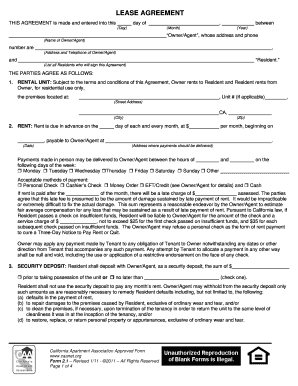
The "Remplissable Contrat de sous-location dappartement," or fillable sublease contract for an apartment, is a legally binding document used for subletting residential properties. This contract outlines the agreement between the original tenant (sublessor) and the new tenant (sublessee), allowing the sublessee to occupy the apartment under specific terms. The contract defines all aspects of the sublease, such as the duration, rental terms, and responsibilities of each party, ensuring legal protection for both parties involved in the sublease.
How to Use the Sublease Agreement
Using the sublease agreement involves several critical steps to ensure its effectiveness and legality.
- Identify the Parties Involved: Clearly state the names and contact information of the original tenant and the subtenant.
- Define Lease Terms: Specify the start and end dates of the sublease, including any potential extensions or termination conditions.
- Set Rental Payment Details: Detail the amount of rent, payment due dates, and acceptable payment methods.
- Outline Responsibilities: Include clauses for cleaning, maintenance, and adherence to community rules.
- Signatures: Ensure both parties sign the document to make the agreement legally binding.
Steps to Complete the Fillable Sublease Agreement
Completing the sublease agreement requires attention to detail to protect both parties' interests.
- Fill in Personal Information: Include names, addresses, and contact details.
- Detail the Property: Provide a description and specific address of the apartment being subleased.
- Outline Financial Obligations: State the monthly rent amount, security deposit details, and utility responsibilities.
- Include Terms and Policies: Specify any house rules, pet policies, and prohibited activities.
- Review and Sign: Double-check all entries for accuracy before both parties sign and date the document.
Important Terms Related to Subleasing
Understanding relevant terms enhances clarity and compliance with the sublease agreement.
- Sublessor: The original tenant leasing the apartment to a third party.
- Sublessee: The individual renting the apartment from the original tenant.
- Term: The duration for which the sublease is effective.
- Security Deposit: A sum of money held by the sublessor to cover potential damages or unpaid rent.
- Premises: The specific apartment or property in question.
Legal Use and Compliance
The sublease agreement must adhere to both federal and state laws to ensure legality and avoid disputes.
- Permission from Landlord: Often the primary lease requires written consent from the landlord to sublease.
- Regulatory Compliance: The agreement must comply with local tenant-landlord laws regarding tenant rights and obligations.
- Eviction Policies: Outline procedures conforming with state regulations for resolving breaches of sublease terms.
Key Elements of the Sublease Agreement
Several critical elements form the foundation of an effective sublease agreement.
- Identification and Contact Information: Detailed information about sublessor and sublessee.
- Property Details: Clear description of the leased property, including any included common areas.
- Lease Term and Conditions: Specifics of the sublease period and any options for renewal or termination.
- Rent Details: The amount, due date, and form of rent payment, along with any late fees.
- Maintenance and Repairs: The responsibility distribution for property upkeep and repairs.
Examples of Sublease Agreement Usage
Examples help illustrate practical applications of the sublease agreement.
- Student Housing: A college student subleases their apartment to another student while studying abroad for a semester.
- Short-Term Work Assignments: An employee subleases their apartment during a temporary job relocation.
- Military Deployment: Service members sublease their apartment when deployed overseas.
State-Specific Rules for Subleasing
Subleasing is subject to varying regulations depending on the state, requiring attention to state-specific rules.
- Notice Requirements: Some states mandate a specific notice period before the sublease can begin.
- Rent Control Areas: Cities with rent control laws may have additional rules governing how subleasing is handled.
- Mandatory Disclosures: Different jurisdictions may require specific disclosures in the sublease agreement.