







Definition and Scope of the Stormwater Guidance Manual
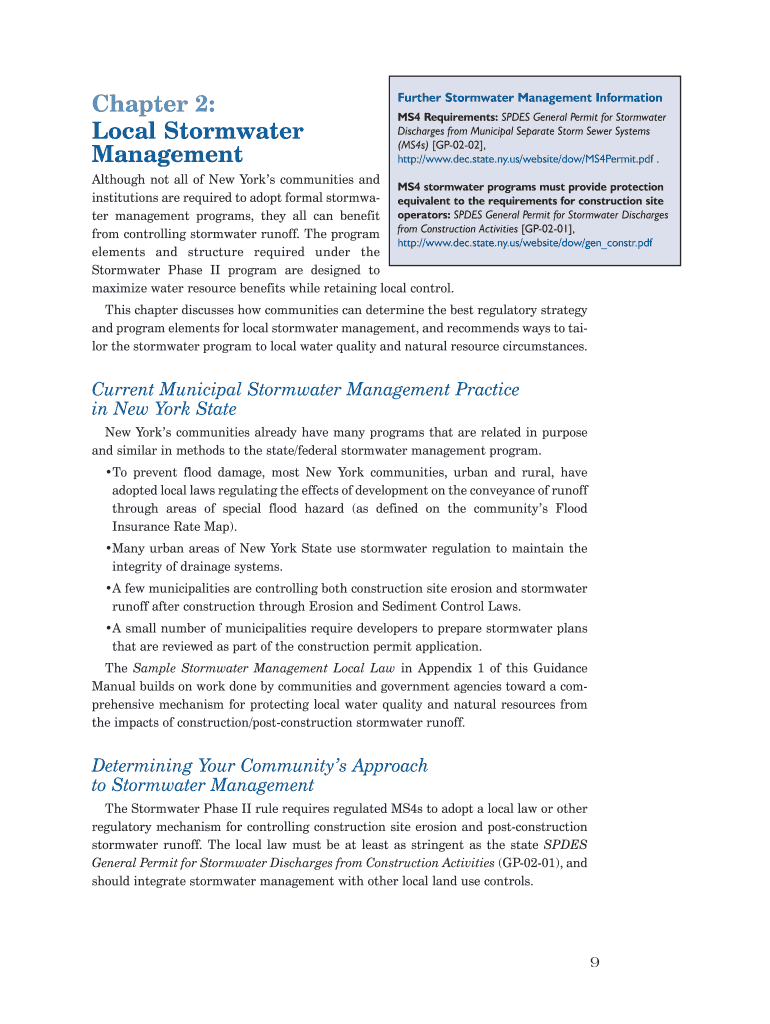
The "Stormwater Guidance Manual for Local Officials" is an essential resource designed to assist municipalities in managing and controlling stormwater runoff. This manual focuses on integrating stormwater management strategies with existing land use regulations to ensure compliance with both state and federal standards. The manual provides detailed insights into the requirements and strategies that local officials need to adopt to effectively manage stormwater runoff, tailoring approaches to specific community conditions and emphasizing the roles of various municipal officials.
How to Use the Manual
Municipalities can utilize this manual as a comprehensive guide to developing and implementing local stormwater management programs. The manual offers a step-by-step process that outlines the integration of stormwater management with current regulations and the adoption of local laws that conform to federal guidelines. Users should carefully review each section to understand how to customize strategies based on their unique environmental and urban conditions, ensuring that municipal policies align with the latest legal requirements.
Key Elements of the Manual
This guide covers a range of critical elements crucial for effective stormwater management:
- Integration with Land Use: It emphasizes aligning stormwater management practices with existing land use policies.
- Tailored Approaches: Offers methodologies for developing unique strategies based on local community and environmental needs.
- Roles of Officials: Details the responsibilities of municipal officials in executing successful stormwater management plans.
- Current Practices: Highlights industry-standard practices and innovative techniques in stormwater management.
Who Typically Uses the Manual
The primary users of this manual include:
- Local Government Officials: Those involved in environmental planning and regulatory compliance.
- Municipal Planners: Professionals developing and implementing urban planning strategies.
- Environmental Engineers: Experts working on infrastructure projects requiring effective stormwater solutions.
- Policy Makers: Individuals crafting and revising laws pertaining to environmental management.


Important Terms and Concepts
Understanding the terminology used in the manual is key to its effective use:
- Runoff: Water flow that occurs when soil is infiltrated to full capacity and excess water flows over the land.
- Best Management Practices (BMPs): Techniques or systems implemented to manage water runoff and improve water quality.
- Impervious Surface: Surfaces that do not allow water to penetrate, leading to increased runoff.
Legal Compliance and Use
The manual is aligned with the ESIGN Act, ensuring that all recommended practices are legally binding and compliant with U.S. law. It provides a framework for local laws to support national standards for stormwater management, assisting municipalities in avoiding legal pitfalls and ensuring effective regulatory procedures.
State-Specific Regulations
While the manual provides a general framework applicable nationwide, it also considers state-specific nuances:
- New York Focus: This document specifically addresses New York's regulatory environment, offering insights into state-specific modifications needed in stormwater management policies.
- Adoption by Other States: States are encouraged to adapt recommendations provided in the manual to suit local legislative and environmental contexts.
Examples of Application
Several real-world scenarios illustrate effective implementation of the manual:
- Municipality A: Improved its stormwater systems by adopting BMPs customized from the manual, resulting in reduced local flooding.
- Municipality B: Enhanced compliance by aligning local ordinances with the manual’s legal guidelines, leading to more efficient water quality management.
Steps for Implementation
Implementing the guidelines requires a methodical approach:
- Assessment: Conduct a comprehensive review of existing stormwater infrastructure.
- Planning: Develop action plans integrating tailored management strategies.
- Policy Alignment: Ensure local regulations support state and federal guidelines.
- Execution: Implement strategies with a focus on sustainability and urban planning.
Benefits for Different Business Types
Various sectors benefit from stormwater management compliance:
- Construction Firms: Gain from reduced flooding and erosion, which ensures project continuity.
- Real Estate Developers: Benefit from enhanced property values through effective water management.
- Agricultural Operations: See improved water conservation and reduced soil erosion.
By exploring these comprehensive elements, local officials and planners can effectively utilize the "Stormwater Guidance Manual for Local Officials" to optimize their community's water management strategies.




