







Definition & Meaning
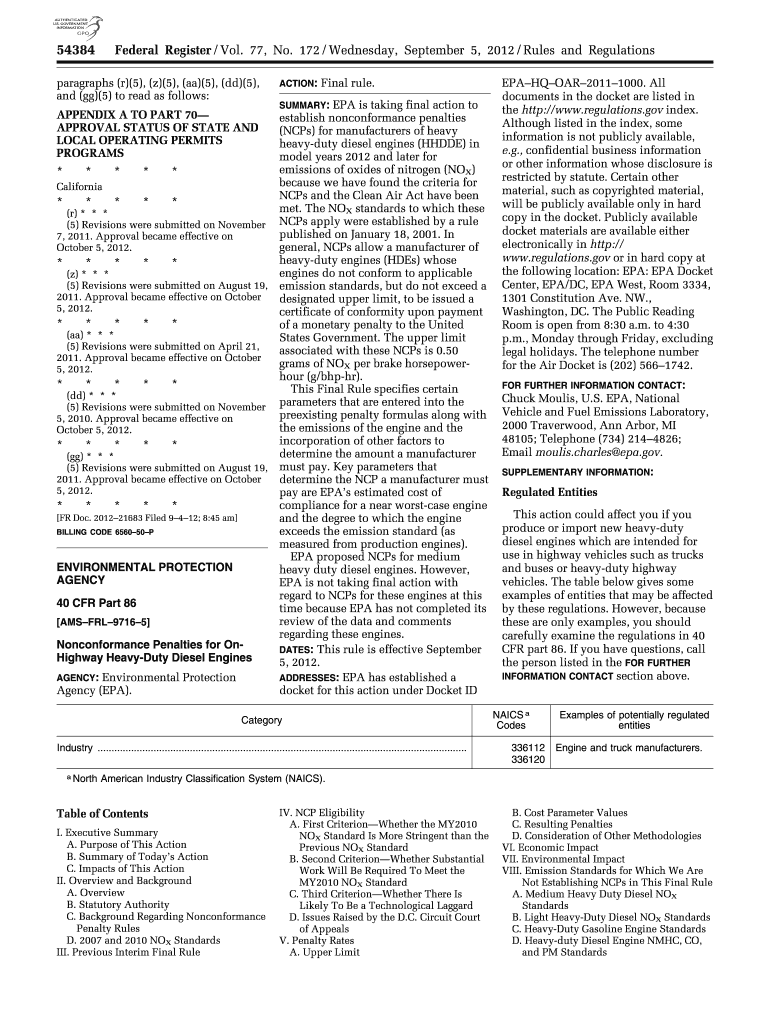
The term "paragraphs (r)(5), (z)(5), (aa)(5), (dd)(5), - gpo" refers to specific sections within a broader regulatory framework or legal document. These paragraphs potentially detail particular stipulations, exceptions, or additional requirements pertinent to government publishing operations (GPO). Understanding these specific paragraphs is crucial for compliance and adherence to regulations associated with public sector operations or documentation.
Detailed Insight
- Paragraph (r)(5): Typically involves specific provisions relevant to financial or operational aspects relating to a document or regulation.
- Paragraph (z)(5): May include exceptions or special conditions under which certain rules can be modified or waived.
- Paragraph (aa)(5): Often details further obligations or additional considerations that need to be met.
- Paragraph (dd)(5): Could potentially include historical amendments or critical updates to existing rules.
These designations serve as identifiers that help practitioners quickly locate the essential parts of the document relevant to their needs.
Who Typically Uses the Paragraphs
Professionals, such as government officials, compliance officers, and legal advisors, frequently engage with these paragraphs as part of their role in ensuring adherence to regulatory standards. They are often used in scenarios where specific operational compliance needs to be documented, validated, or audited.


Key User Groups
- Government Agencies: These procedures are crucial for formalizing regulatory compliance.
- Legal Professionals: Lawyers may refer to these paragraphs when drafting legal documents or giving legal advice.
- Business Entities: Companies involved in government contracts must frequently align with these regulations.
Such users need to be well-versed in the details outlined within these sections to manage risk and ensure compliance.
Key Elements of the Paragraphs
Every paragraph under this category might encapsulate diverse elements, which could range from procedural guidelines to exceptions and amendments. Each segment is critical for understanding the entire framework to which it pertains.
Core Components
- Procedural Requirements: Steps that need to be followed for compliance.
- Documentation: Types of documentation necessary for proof of compliance.
- Deadlines: Specific timelines within which compliance must be established.
- Penalties: Consequences in cases of non-compliance.
Understanding these key elements can aid in compliance and help avoid potential repercussions resulting from omissions or errors.
Legal Use of the Paragraphs
The legal use of these paragraphs often encompasses ensuring that public sector publishing meets specified standards or fulfills designated exceptions in documentation and regulation. Adhering to these sections is a legal requirement for particular document workflows within the government and contracted agencies.
Adherence Importance
- Legal Compliance: Ensures that activities within an organization do not violate any statutory obligations.
- Audit Verification: Provides a framework for documentation during audits.
- Standardization: Helps in maintaining consistent procedural approaches across different departments or agencies.
These legal uses underscore their importance in maintaining accountability and transparency in operations connected to GPO activities.
Steps to Complete the Paragraphs
While completing details within these paragraphs, a structured approach is important. Below are general actionable steps:
- Review Requirements: Thoroughly read each paragraph section.
- Identify Relevant Subsections: Determine which subsections apply to your context.
- Gather Necessary Documents: Collect all required documents needed for compliance.
- Complete Documentation: Fill out documents ensuring every detail aligns with stipulated guidelines.
- Submit for Approval: Submit the completed documentation for review and approval from appropriate authorities.
- Revisit for Amendments: Monitor any updates or changes to requirements and adjust documentation accordingly.
Following these steps contributes to effectively managing compliance requirements across relevant operations.
Examples of Using the Paragraphs
Real-world examples of using these paragraphs can be an effective tool for understanding their practical application. Imagine a government department preparing an audit report, they'd refer to these paragraphs to verify they are meeting all operational guidelines and adhering to necessary legal stipulations.
Case Examples
- Contractor Compliance: Businesses involved in government projects might rely on these paragraphs to ensure contractual compliance.
- Audit Preparations: Agencies might use these paragraphs to prepare documentation that will be reviewed during an audit.
These real-world examples are demonstrations of how integral these paragraphs are to maintaining accountability and transparency in government-related activities.
Penalties for Non-Compliance
Failure to adhere to the stipulations within these paragraphs can result in various penalties. Ensuring compliance is critical for avoiding significant repercussions.
Potential Penalties
- Fines: Monetary fines for failing to comply with regulatory requirements.
- Contract Termination: In severe cases, contracts may be voided.
- Legal Ramifications: Legal actions that could be initiated against non-compliant entities.
Understanding and adhering to the requirements of these paragraphs can help in mitigating these potential penalties and fostering a compliant operational environment.
Software Compatibility
While dealing with the paragraphs, ensuring compatibility with software systems like TurboTax or QuickBooks can aid in managing documentation requirements more efficiently.
Supported Systems
- TurboTax: Useful for calculating and filing documents as they pertain to regulatory compliance.
- QuickBooks: Assists in maintaining and tracking financial compliance documentation.
- DocHub: Ideal for signing and managing documents requiring electronic signatures or annotations.
These tools can facilitate easier management of documentation associated with these regulations, thereby ensuring smoother compliance processes.




