







Definition & Meaning
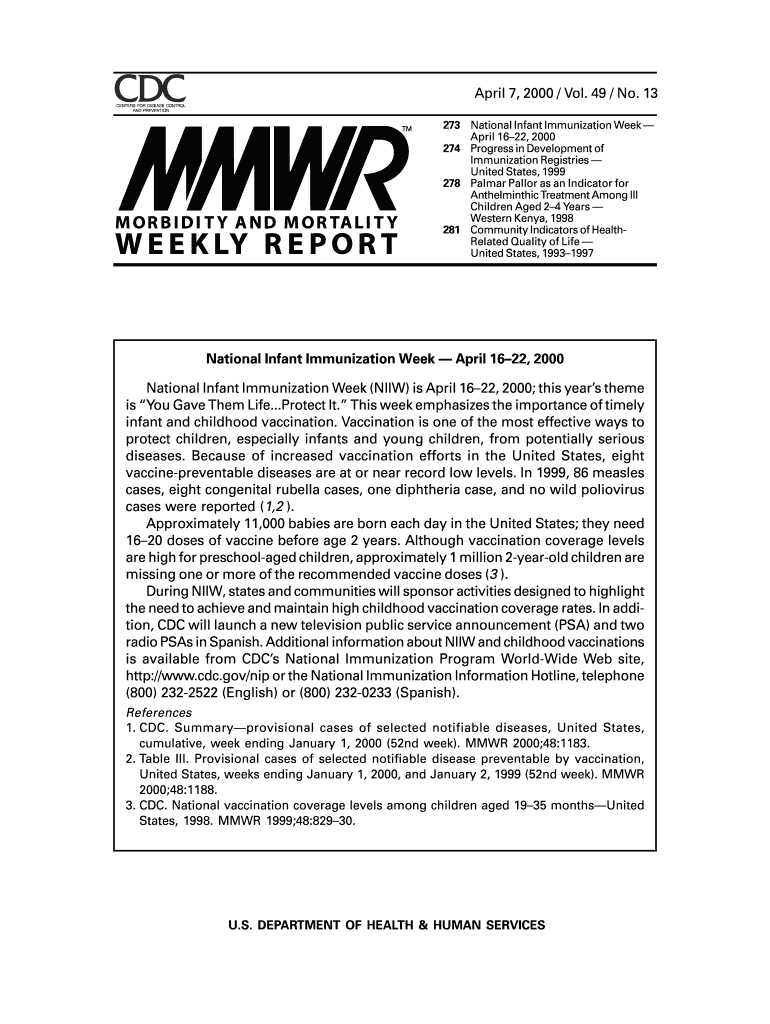
The "273 National Infant Immunization Week" represents an initiative aimed at promoting the importance of immunizations for infants and children. This week is designed to raise awareness about the crucial role vaccinations play in preventing various diseases. It highlights the collective efforts of healthcare providers, public health communities, and caregivers to ensure that infants receive timely vaccinations to protect them against preventable diseases.
Importance
This week emphasizes not only the health benefits of immunizations but also their role in maintaining public health and preventing outbreaks. It serves as a reminder for parents and guardians to adhere to recommended vaccination schedules which are vital for the child's health and for the community's well-being.
Key Elements of the 273 National Infant Immunization Week
This initiative covers several critical elements to enhance its effectiveness and reach:
- Public Health Education: Focused efforts on educating the public about vaccine-preventable diseases.
- Immunization Access: Improving access to vaccines through clinics and public health centers.
- Community Engagement: Involving local communities and health departments to spread awareness.
- Policy Support: Advocating for policies that support immunization programs and fund public education campaigns.
These elements contribute to a comprehensive strategy aimed at boosting immunization rates and fostering community support for vaccination initiatives.
Steps to Complete the 273 National Infant Immunization Week
Implementing a successful National Infant Immunization Week involves several organized activities:
- Pre-Event Planning: Coordinate with health authorities and local stakeholders to plan events, workshops, and information sessions.
- Educational Campaigns: Develop and distribute educational materials to inform parents about the benefits of vaccinations.
- Community Outreach: Conduct outreach programs in schools, daycare centers, and community hubs to maximize participation.
- On-the-Spot Vaccination Drives: Organize mobile clinics or special community vaccination days to facilitate access.
- Follow-Up Measures: Provide resources and support for parents and caregivers to complete the vaccination schedule after the week is over.
This structured approach ensures that the campaign is both effective and far-reaching.
Why Should You Participate in the 273 National Infant Immunization Week
Participation in National Infant Immunization Week is significant for several reasons:
- Public Health Promotion: Supporting this week means contributing to the betterment of public health.
- Educational Opportunity: Gain access to reliable and updated information about vaccinations and health practices.
- Community Safety: By promoting and increasing immunizations, the community as a whole is protected against potential outbreaks.
- Network Building: Engage with healthcare professionals and other stakeholders to expand your understanding of public health initiatives.
This involvement can result in both individual benefits and broader societal impacts.
Who Typically Uses the 273 National Infant Immunization Week
This initiative is predominantly used by:
- Healthcare Providers: Including pediatricians, nurses, and public health officials who aim to increase vaccination rates.
- Parents and Guardians: Individuals responsible for ensuring their children receive timely immunizations.
- Public Health Organizations: Entities focused on disease prevention and health promotion.
- Educational Institutions: Schools that disseminate information on vaccines and health safety.
These groups play integral roles in the success and reach of National Infant Immunization Week.


Legal Use of the 273 National Infant Immunization Week
The initiative is well-supported by legal frameworks that emphasize public health responsibilities:
- Compliance with Health Regulations: Encourages adherence to local and federal health guidelines.
- Promotion of Vaccine Legislation: Advocates for laws that make vaccines accessible and mandatory in some cases for school entry.
- Protection of Public Health: Legal systems support campaigns designed to improve public health through immunization.
These frameworks ensure that the week is not only about education but also supported by enforceable health policies.
State-Specific Rules for the 273 National Infant Immunization Week
While National Infant Immunization Week has overarching goals, there are state-specific guidelines:
- Vaccine Schedules: States may have specific vaccination schedules and requirements for children.
- Immunization Programs: States often have unique programs for providing vaccines to uninsured or underinsured children.
- Reporting Requirements: Different states may require healthcare providers to report vaccination data in specific ways.
These variations require tailored approaches to accommodate state laws and maximize the initiative's effectiveness.
Examples of Using the 273 National Infant Immunization Week
Several case studies demonstrate the impact of this initiative:
- Increased Vaccination Rates: Communities that heavily promote this week often see a significant increase in vaccination rates.
- Educational Success Stories: Schools and health centers report improved awareness and compliance with vaccination schedules.
- Community Health Initiatives: Successful campaigns often lead to further initiatives aimed at addressing other public health concerns.
These examples highlight the tangible benefits and outcomes of effectively participating in and promoting National Infant Immunization Week.




