







Definition & Meaning
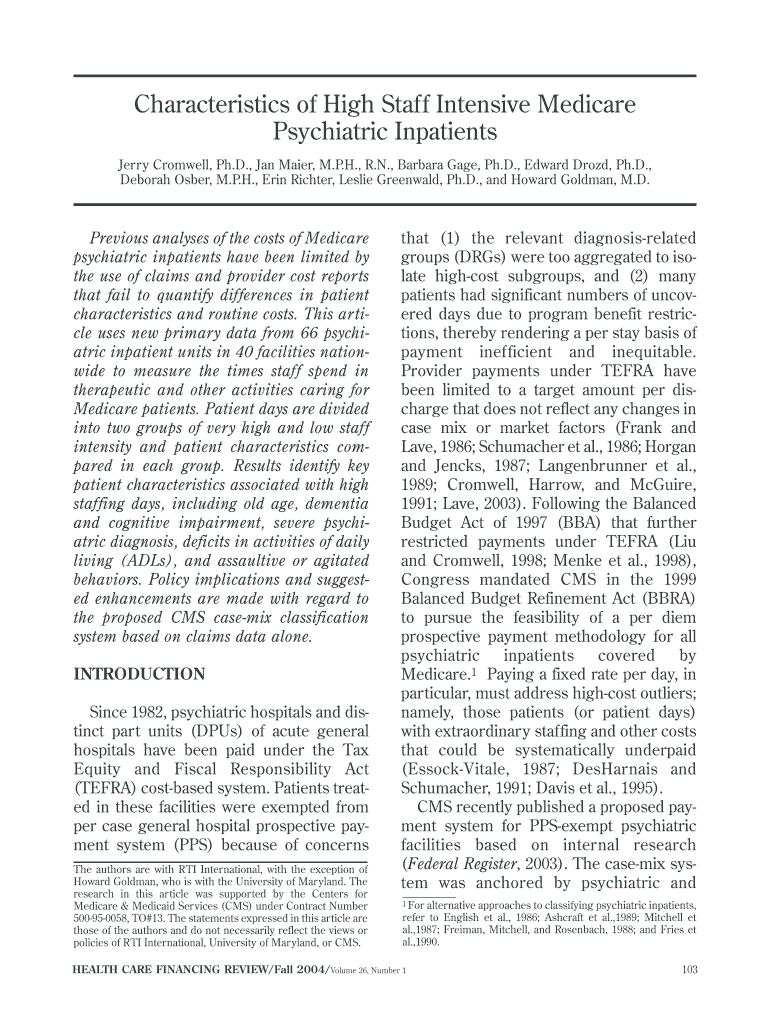
High staff intensive Medicare refers to a category within the Medicare system where particular patient groups, such as elderly or psychiatric patients, require a significantly higher ratio of medical staff to provide adequate care. This staffing model is critical for addressing the complex needs of patients with conditions like dementia or severe psychiatric diagnoses, which demand intensive monitoring and personalized interventions.
- High-Risk Patients: These patients often have more severe health conditions that necessitate frequent intervention, leading to elevated staffing needs.
- Complex Care Requirements: Patients may require round-the-clock monitoring or specialized care plans, making the high staff-to-patient ratio essential.
Key Elements of the Characteristics of High Staff Intensive Medicare
The characteristics of this Medicare model reflect various critical elements designed to optimize patient care and ensure effective resource allocation.
- Age and Condition: Older patients and those with significant functional limitations often fall into this category.
- Severe Diagnoses: Patients with chronic mental health issues or multiple comorbidities that influence day-to-day living activities are prioritized.
- Staffing Needs: This model mandates a higher number of skilled healthcare professionals to ensure comprehensive care delivery.
Steps to Complete the Characteristics of High Staff Intensive Medicare
To properly address a high staff intensive Medicare case, certain steps should be meticulously followed:
- Patient Assessment: Initiate a thorough assessment to understand the specific medical needs and care requirements.
- Care Plan Development: Collaborate with healthcare professionals to devise an individualized care plan.
- Staff Allocation: Assign adequate staff levels based on the intensity of care required.
- Regular Monitoring: Implement continuous monitoring and adjust staff resources as patient needs evolve.
Who Typically Uses the Characteristics of High Staff Intensive Medicare
Various stakeholders in the healthcare system are engaged with this specific type of Medicare.
- Healthcare Institutions: Facilities that provide acute care, especially those specializing in psychiatric or geriatric services.
- Insurance Providers: Companies offering healthcare coverage that includes specialized staffing arrangements for high-risk patient groups.
- Care Coordinators: Professionals responsible for mediating between patients, families, and providers to ensure appropriate staffing.


Important Terms Related to Characteristics of High Staff Intensive Medicare
Understanding key terminology is crucial for effectively navigating the Medicare landscape.
- ADLs (Activities of Daily Living): Basic self-care tasks such as eating, bathing, and dressing.
- Comorbidity: The simultaneous presence of two or more diseases or medical conditions in a patient.
- Functional Limitation: Restrictions in performing daily activities due to health conditions or disabilities.
Legal Use of the Characteristics of High Staff Intensive Medicare
Compliance with legal requirements is essential when utilizing this Medicare model.
- Patient Privacy Laws: Ensuring all patient data is handled according to HIPAA regulations.
- Staffing Regulations: Abiding by state and federal staffing rules to ensure patient safety and care standards.
- Payment Systems: Properly documenting services rendered for accurate Medicare reimbursements.
Examples of Using the Characteristics of High Staff Intensive Medicare
Practical examples illustrate how this staffing model is applied in real-world scenarios.
- Dementia Wards: Nursing homes with specialized staff trained to handle memory care needs.
- Psychiatric Units: Hospitals where high staff ratios ensure safety and therapeutic interventions for patients with severe mental health disorders.
- Intensive Rehabilitation Clinics: Facilities where skilled nurses and therapists provide intensive assistance for patients recovering from major surgeries or strokes.
State-Specific Rules for the Characteristics of High Staff Intensive Medicare
States may have unique regulations influencing how high staff intensive Medicare is implemented.
- California: Requires specific nurse-to-patient ratios, particularly in psychiatric and geriatric care settings.
- New York: Mandates minimum staffing levels in nursing homes based on patient acuity.
- Texas: Offers specific Medicaid waivers that support enhanced staffing for eligible Medicare beneficiaries in certain care facilities.




