






Definition and Purpose
Sandra Day O'Connor College of Law at Arizona State University is a premier law school known for its innovative approach to legal education. It integrates interdisciplinary learning with practical experience, which prepares students for a wide range of legal careers. The institution focuses on areas such as law and psychology, forensic science, and social justice, making it a leading choice for students interested in these fields.
How to Enroll in the Sandra Day O'Connor College of Law
-
Research and Preparation: Prospective students should research the specific programs offered, including Juris Doctor (JD), Master of Laws (LLM), and Master of Legal Studies (MLS). It's important to understand each program's focus and prerequisites.
-
Standardized Testing: Applicants typically need to take the Law School Admission Test (LSAT) as part of the application process. Some programs may also accept the Graduate Record Examinations (GRE).
-
Application Submission: Students must submit an online application via the Law School Admission Council (LSAC) portal. This includes personal statements, recommendation letters, transcripts, and test scores.
-
Interview Process: Some candidates may be invited for an interview to discuss their application further.
Key Elements of the Curriculum
-
Interdisciplinary Focus: Courses integrate law with other disciplines, like psychology. This approach is particularly beneficial for students interested in jury decision-making and forensic science.
-
Practical Experience: Opportunities for internships, clinics, and externships are available, providing students with real-world legal experience.
-
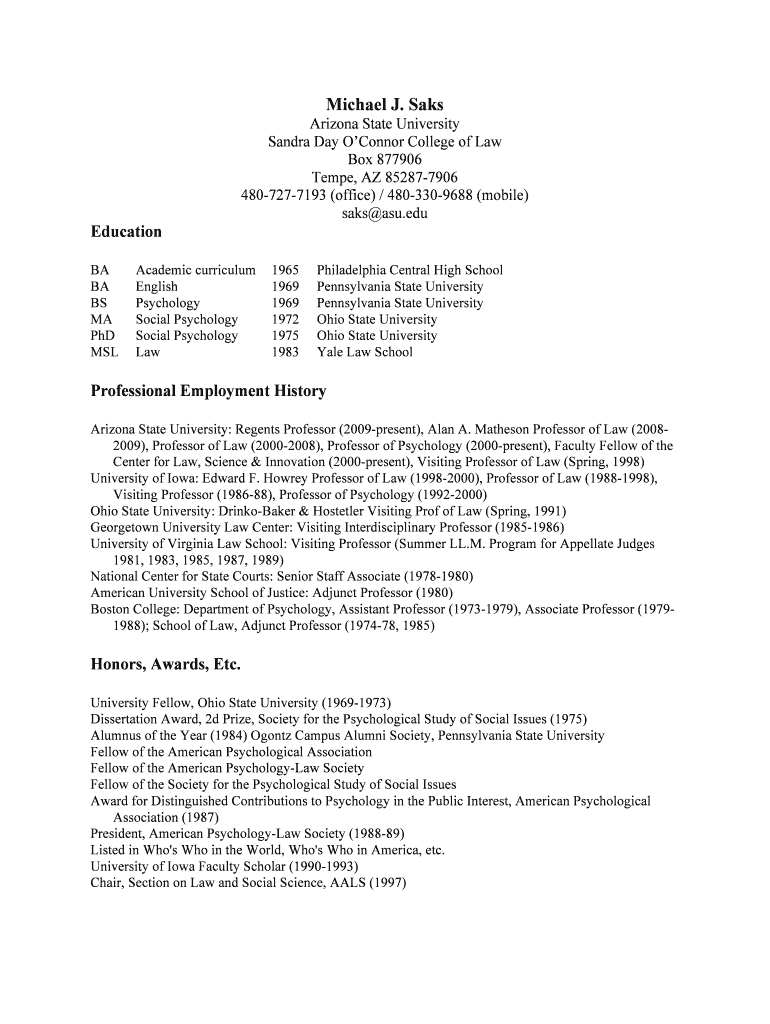
Faculty Expertise: Students learn from faculty members who are leaders in their fields, such as Michael J. Saks, who specializes in law and psychology.
Why Choose Sandra Day O'Connor College of Law
-
Innovative Teaching Methods: The college uses cutting-edge teaching methods that emphasize practical skills alongside traditional legal theory.
-
Strong Network and Alumni: Graduates become part of an extensive network of legal professionals, enhancing career opportunities.
-
Focus on Social Justice: Programs often highlight social justice issues, preparing students to become advocates for change.
Steps to Complete the Application Process
-
Create an LSAC Account: Register with LSAC to manage your application process.
-
Prepare Application Materials: Gather necessary documents, including a personal statement, transcripts, and letters of recommendation.
-
Submit Test Scores: Ensure your LSAT or GRE scores are sent to the college through LSAC.
-
Complete Application Form: Fill out all required fields in the LSAC application portal.
-
Confirm Submission: Double-check all materials and submit the application before the deadline.
Important Terms and Concepts
-
ESIGN Act Compliance: Understanding legal requirements is crucial, especially for students studying electronic signature laws.
-
Jury Decision-Making: A significant focus area, exploring how psychological principles impact legal outcomes.
Examples of Career Paths After Graduation
-
Corporate Law: Many graduates work in corporate legal departments, dealing with mergers, acquisitions, and compliance.
-
Public Interest Law: Graduates often pursue careers with non-profits, focusing on areas like environmental law or social justice.
-
Policy Making and Advocacy: Some alumni work in governmental or non-governmental organizations to influence public policy.
Legal and Ethical Considerations
-
Ethical Practice: Emphasis on maintaining high ethical standards in all legal dealings.
-
Confidentiality and Data Protection: Understanding legal obligations related to client confidentiality and the protection of sensitive information.
Who Typically Enrolls
-
Recent Graduates: Individuals straight out of undergraduate programs.
-
Career Changers: Professionals from fields like business or psychology looking to transition into law.
-
International Students: Those seeking a U.S. law perspective or qualification.
Digital vs. Paper Applications
Enrollment applications are predominantly digital, with submissions processed through LSAC. The college supports technology integration, aligning with modern application practices.
Application Processing and Approval
-
Processing Time: Applications are typically processed within a few months. Prompt submissions and complete documentation expedite the process.
-
Approval Notifications: Accepted applicants receive decisions via email and through the LSAC portal.