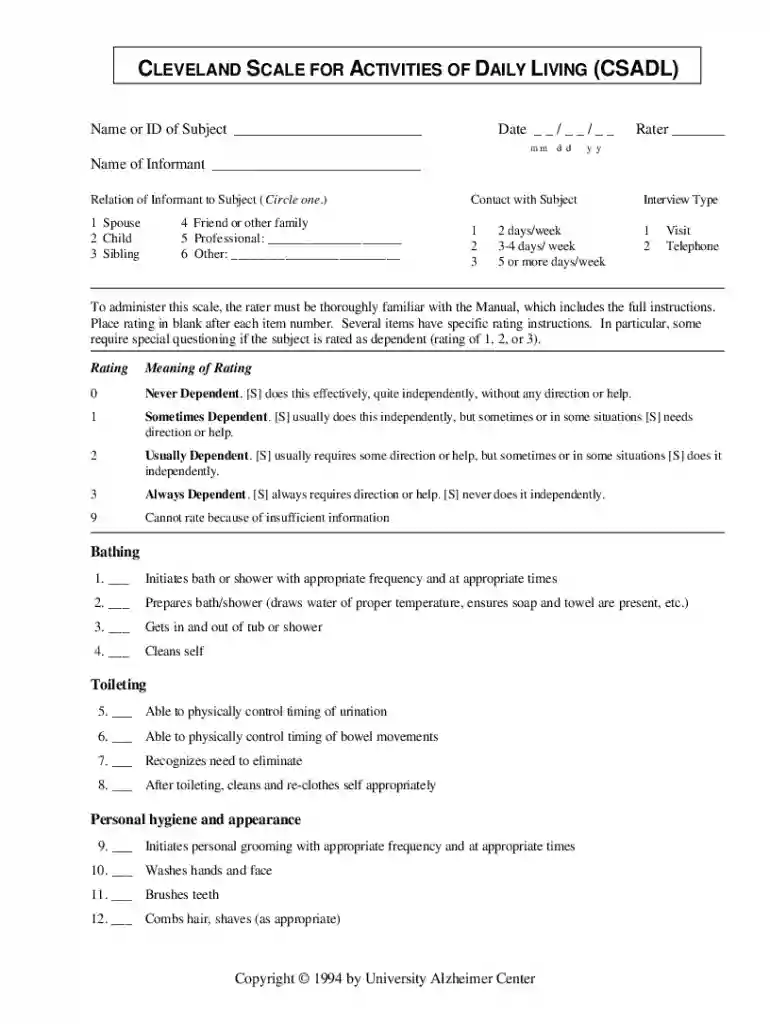
Definition and Meaning
The "uti minor to major form" is a document utilized to adjust the classification of a utility account from minor to major status. This transition typically involves modifications in billing, service parameters, or account holder responsibilities. The form is crucial for both individual customers and businesses seeking expanded utility services. Understanding its purpose, the form streamlines the process by which utility companies adjust user accounts to reflect increased usage or expanded service needs, ensuring that all criteria and policies are met.
Examples and Scenarios
- Residential Use Cases: A homeowner who starts renovating might require elevated utility levels, prompting the need for this form to ensure proper billing.
- Business Applications: Small offices expanding workforce may experience increased utility usage, necessitating a shift from minor to major account status via this form.
- Institutional Changes: Colleges adding new facilities may use this form to adjust service levels and ensure they meet institutional demands.
How to Use the UTI Minor to Major Form
Filling out the uti minor to major form requires specific steps to ensure all necessary information is captured accurately. Follow these guidelines to complete the process:
- Gather Necessary Information: Collect account details, including account number, current service level, and desired service level.
- Read Guidelines: Review any provided instructions to understand the form's requirements and criteria for classification change.
- Complete Sections: Fill in personal or business information, provide a reason for the transition, and specify the new desired service parameters.
- Review and Submit: Double-check entries for accuracy before submitting the form via the appropriate method, whether online, by mail, or in person.
Important Considerations
- Verification: Some utility companies may require proof of increased demand or supporting documentation.
- Timely Submission: Completing the form promptly can prevent delays in service level adjustments.
Steps to Complete the UTI Minor to Major Form
The process involves methodical steps to ensure all necessary data is captured for utility service adjustment:
- Access the Form: Obtain the form through the utility's website or in-person at their office.
- Fill Out Personal Information: Include name, address, contact details, and existing account number.
- Specify Changes: Clearly indicate the requested transition from minor to major, detailing expected increases in usage or service.
- Attach Supplemental Documentation: Provide any required documentation to justify the change, such as property expansion permits.
- Submit and Follow Up: After submission, monitor the status through direct communication with the utility company, if needed.
Key Elements of the UTI Minor to Major Form
Understanding the form's structure is crucial for accurate completion:
- Contact Details: Primary section for user identification.
- Current Account Information: Details of existing utility services and account number.
- Requested Change: Specifics about the desired service level and justifications.
- Acknowledgments and Signatures: Areas for account holder verification and authorization.
Detailed Breakdown
- Current vs. Desired Services: Clarify the extent of the transition being requested.
- Reason for Change: Provide a concise explanation supporting the request.
Important Terms Related to the UTI Minor to Major Form
A successful form submission often requires familiarity with specific terminology:
- Minor Account: A utility account with limited usage or service level.
- Major Account: An account featuring expanded service or usage, often subject to different billing and regulatory conditions.
- Service Level Adjustment: The process of changing terms, specifically from minor to major.
Examples of Key Terms
- Usage Thresholds: Quantitative limits that determine account status.
- Billing Cycles: Regular intervals at which utility payments are calculated and required.
Legal Use of the UTI Minor to Major Form
The form facilitates compliance with utility regulations and contractual adjustments. Its completion reflects consent to abide by new terms under the changed service level. Properly executed, the form protects both the user and the utility provider by documenting service agreements.
Compliance Requirements
- Verification Obligations: Customers may be required to prove eligibility for major service levels.
- Contractual Implications: Signatures on the form may constitute agreement to modified billing structures or service terms.
State-Specific Rules for the UTI Minor to Major Form
Variations exist across state lines in terms of utility regulation and service-level transitions:
- Different Criteria: Each state may have unique regulations determining when and how a transition to a major account is permissible.
- Variable Documentation: State regulations can affect documentation requirements.
Example States
- California: Strict environmental and usage guidelines may influence eligibility.
- New York: Urban density may simplify justification for increased service levels.
Required Documents for the UTI Minor to Major Form
Documentary requirements to transition a utility account status efficiently include:
- Proof of Increased Usage: Documentation such as construction permits.
- Identification: Valid proof of identity for the account holder.
- Previous Bills: Copies of past utility statements to establish usage trends.
Document Types
- Photographic IDs: Driver's licenses or government IDs.
- Property Plans or Lease Agreements: Supporting documents demonstrating increased service needs.