
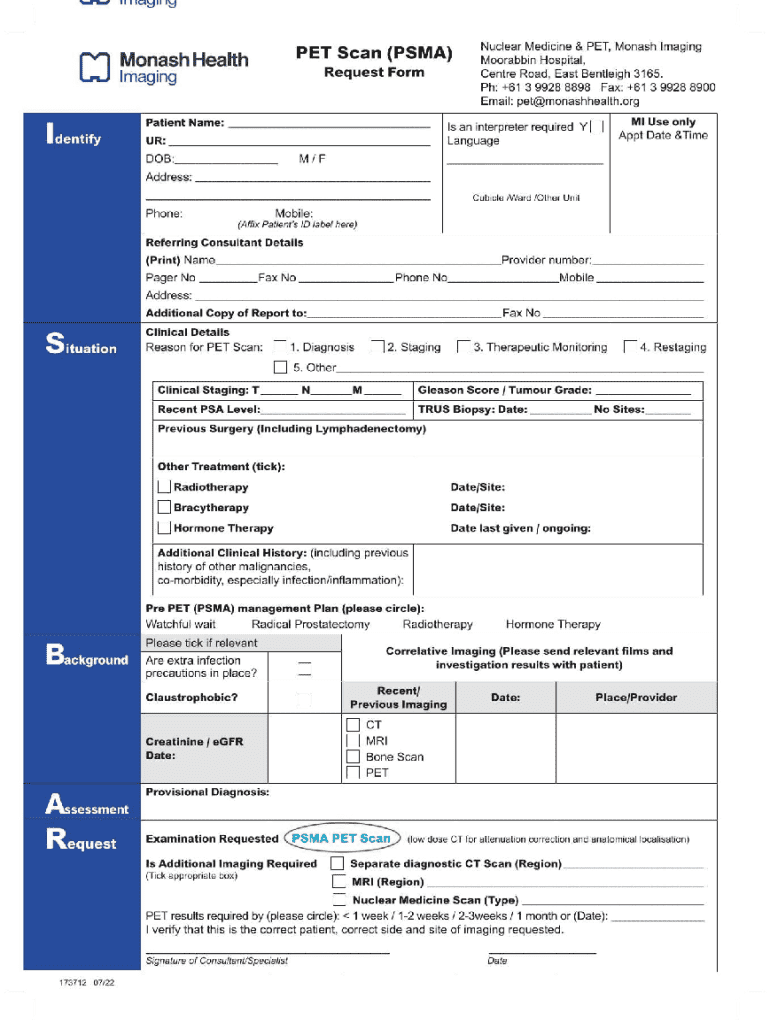







Definition & Meaning
Understanding the term "form online" involves recognizing its role as a digital document utilized for various purposes across different fields such as tax, legal, application, and more. Online forms serve as structured templates designed to collect, organize, and transmit information electronically. These forms can range from simple contact forms to complex tax documents like the W-9. The digital nature allows for real-time data collection and processing, making them crucial in today's digitally-driven environments.
How to Use the Form Online
Using an online form effectively starts with identifying the specific form needed for your task. Once identified, navigate to the platform providing the form, such as DocHub, which offers intuitive tools for managing and editing documents. Access the desired form by downloading it from a cloud service or uploading it from your device. Modify the form by entering required data into designated fields. The platform often allows for editing features such as adding text boxes or highlighting sections. After completing the modifications, review the form for accuracy before submitting or sharing it with relevant parties.
How to Obtain the Form Online
To obtain an online form, start by visiting the website or portal where the form is hosted. For tax forms, this might be the IRS website, whereas other forms could be available on legal or governmental sites. Alternatively, use DocHub to search for and access a wide array of forms by uploading them from cloud-based services such as Google Drive or by importing them directly from your device. This flexibility simplifies the process, providing quick access to required documents without unnecessary hurdles.
Steps to Complete the Form Online
Completing a form online involves several methodical steps to ensure the process is efficient and error-free:
- Select and Open the Form: Access the specific document within the DocHub platform or equivalent.
- Fill Out Required Information: Navigate through the form, entering data in the designated fields. Make use of form fields such as text boxes, checkboxes, and drop-down menus.
- Review the Entry: Double-check all entries for accuracy and completeness, ensuring no necessary fields are left blank.
- Attach Supporting Documents: If required, upload any accompanying documents that support your data, such as identification proofs or financial statements.
- Submit or Save: Complete the process by submitting the form online or saving it to your cloud storage for future submission.
Why Should You Form Online
Filling out forms online offers numerous advantages, including enhanced efficiency, accessibility, and security. Digital forms eliminate the physical constraints of paper forms, allowing you to complete documents from anywhere at any time. They streamline workflows through automated features like data validation and error checking, ensuring that submitted data is comprehensive and accurate. Moreover, secure platforms such as DocHub employ encryption and authentication methods to protect sensitive information, offering peace of mind during data transfers.
Important Terms Related to Form Online
Familiarizing yourself with the vocabulary associated with online forms enhances your proficiency in their use. Key terms include:
- Fillable Fields: Sections of a form where data must be input, such as text fields, radio buttons, and checkboxes.
- Digital Signature: An electronic method of signing a form, legally recognized and used to authenticate the identity of a user.
- Cloud Storage: Digital storage platforms like Google Drive that host files online, allowing for easier access and sharing.
- Encryption: The process of encoding data to prevent unauthorized access during transfer or storage.
Legally Binding Electronic Signatures
Electronic signatures on forms, such as those facilitated by DocHub, are recognized as legally binding under U.S. law, notably the ESIGN Act. These digital signatures exhibit the same legal standing as traditional handwritten signatures. The platform provides multiple options for generating electronic signatures, including typing, drawing, or uploading an image of your signature. This flexibility allows users to select the method that best aligns with their needs while ensuring authenticity and legal compliance.
Key Elements of the Form Online
The integral components of an online form include:
- Form Fields: Areas designated for input, including text boxes and multiple choice selections.
- Submission Button: Facilitates the completion and forwarding of the form to the intended recipient.
- Validation Features: Ensure data correctness and completeness before allowing submission.
- Instructional Text: Provides guidance on filling out each section to prevent common errors.
These elements combine to create a seamless, efficient process for data collection and form submission.
Software Compatibility
Online forms, especially those hosted on platforms like DocHub, are designed to be compatible with various software ecosystems:
- Google Workspace Integration: Direct file management from Google Drive.
- Compatibility with Financial Software: Compatibility with systems like TurboTax or QuickBooks for tax-related forms.
- Cross-Platform Access: Available on both desktop and mobile browsers for flexibility.
This compatibility ensures that users can seamlessly incorporate form processing into their existing workflows without needing additional software.
Examples of Using the Form Online
Real-world examples underline the practicality of online forms:
- Business Contracts: Enterprises digitize contracts, allowing quick completion and signing.
- Tax Filings: Individuals use online tax forms for streamlined and accurate submissions.
- Enrollment Applications: Educational institutions leverage online forms to process student applications seamlessly.
Each use case demonstrates the utility and versatility of online forms in facilitating efficient, error-free data processing.




