
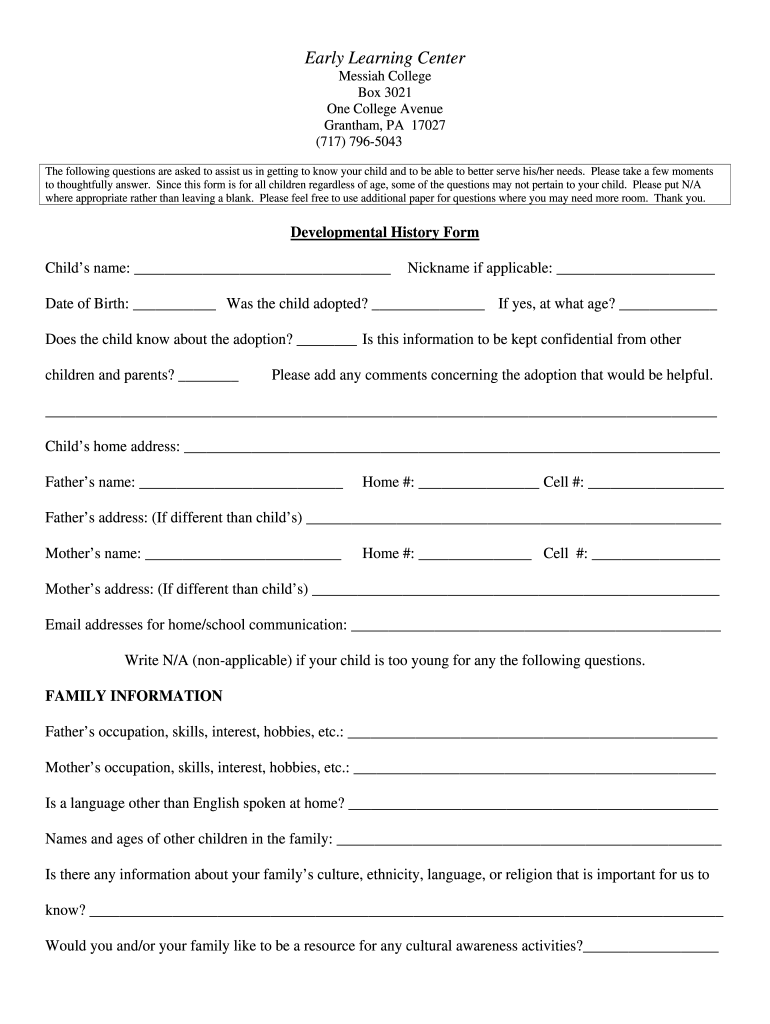







Definition and Meaning of Social History Template
A social history template is a structured document used predominantly in social work, medical assessments, and various professional settings where understanding an individual's background is crucial. It provides a framework for collecting detailed information about a person's social environment, family dynamics, educational background, and personal experiences.
The primary purpose of a social history template is to gather relevant data that can inform decision-making, treatment plans, or reports. For example, in a healthcare setting, understanding a patient's social context can help providers recommend appropriate interventions or resources.
Key components of a social history template may include:
- Personal Information: Basic data such as name, age, gender, and contact details.
- Family Background: Information about family members, their relationships, and dynamics.
- Living Situation: Details about housing, neighborhood, and community connections.
- Education History: Academic background, including schools attended and degrees obtained.
- Employment and Economic Status: Current job, income level, and financial stability.
- Health History: Overview of physical and mental health conditions.
- Social Support Systems: Identification of friends, community connections, and services utilized.
Utilizing a social history template effectively enhances the assessment process, enabling professionals to create comprehensive reports that capture the nuances of an individual's experiences.
Social Work and Medical Assessments Using Social History Templates
In social work and medical fields, social history templates play a critical role in assessments. A social history assessment provides insight into a client's background, which is vital for developing effective intervention plans.
Social History Assessment in Social Work
- Contextual Understanding: Social workers utilize social history templates to gather vital information about demographics, family structure, and social supports. This understanding is essential for tailoring intervention strategies to the client's unique situation.
- Resource Identification: By documenting an individual’s social circumstances, social workers can identify necessary resources and services, such as housing assistance, mental health services, or educational support.
- Comprehensive Understanding of Issues: Social history can highlight issues related to poverty, discrimination, or trauma that may impact a client's functioning.
Medical Social History Assessment
- Holistic Patient Care: In medical settings, collecting social histories allows healthcare providers to propose holistic care approaches. Understanding a patient's living conditions, support systems, and health behaviors informs treatment plans.
- Chronic Disease Management: Knowing a patient’s social context can aid in managing chronic conditions by recognizing factors that may influence adherence to medical advice, such as employment status or family responsibilities.
Creating a Social History Report Example
A social history report gathers comprehensive information and insights obtained through a social history template, aiming to construct a clear picture of an individual's environmental and personal factors.
Essential Elements of a Social History Report
- Summary of Findings: A brief overview of significant findings derived from the collected data.
- Demographics: Detailed demographic information of the individual, including age, ethnicity, and marital status.
- Family Structure: Insight into family members and their roles, relationships, and any relevant history.
- Education and Employment Background: Overview of educational achievements and job history.
- Social Supports: Details of friends, mentors, and organizations that provide support.
- Challenges and Barriers: Documenting any personal or social barriers faced by the individual that could impact their well-being.
For example, in preparing a social history report for a client seeking therapy, it may include information about past trauma, current relationships, and daily stressors that could inform therapeutic approaches.
Addressing Common Queries in Social History Assessment
Clarifying Social History Assessment Template Usage
- Who Should Use It: Professionals across various sectors, including social workers, healthcare providers, counselors, and psychologists.
- Why it is Important: These templates aid in gathering consistent data, which enhances the ability to assess needs accurately and form effective plans.
Distinguishing Between Social History Assessment and Medical History
While both social and medical histories have overlapping aspects, social histories focus on environmental and relational factors, whereas medical histories concentrate on physical health and conditions. Combining insights from both histories enhances a comprehensive understanding of an individual’s needs.
Examples of Social History Assessments
Case Studies of Assessment Scenarios
-
Scenario One: A family undergoing therapy may complete a social history template addressing family roles, economic challenges, and educational achievements, allowing the therapist to create a family-focused intervention plan.
-
Scenario Two: In a medical context, a patient with diabetes completes a social history template that reveals lack of support at home and financial barriers to accessing healthy food options, guiding the healthcare team to recommend resources for nutritional assistance.
Important Legal and Ethical Considerations
Confidentiality and Ethical Use
-
Client Privacy: Professionals must ensure that the information collected through social history templates is kept confidential and used ethically, adhering to guidelines and laws protecting client privacy, such as HIPAA.
-
Informed Consent: Clients should be informed about how their information will be used and should provide consent before completing any assessments.
Documentation Standards
- Accuracy in Reporting: It is essential that all information provided on social history templates is accurate and truthful to build trust in the professional-client relationship and to ensure appropriate services are provided.
Conclusion of Obligations
Professionals utilizing social history assessments must remain vigilant about ethical practices, ensuring that individuals' rights and dignity are respected while fostering an environment conducive to open dialogue and support.




