
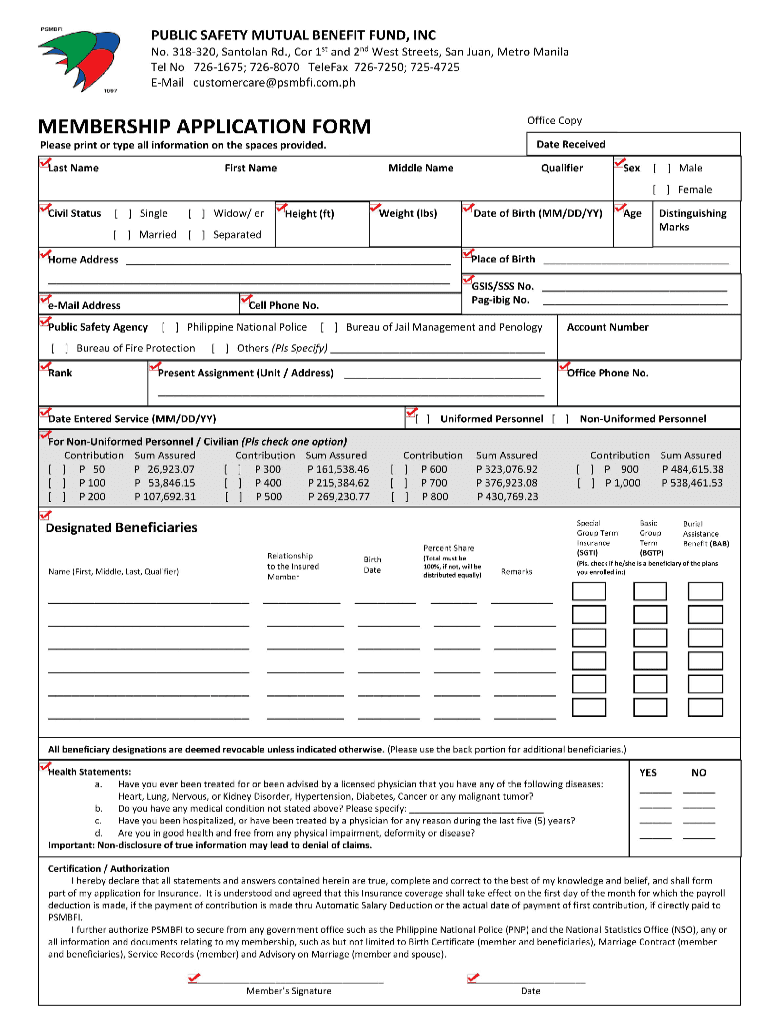







Definition and Meaning of "Form Online"
An "online form" refers to a digital version of traditional paper forms that are hosted on the internet. Users can fill out these forms using computers or mobile devices without the need for physical printouts. They are designed for various applications such as gathering data, collecting user inputs, conducting surveys, and facilitating transactions. Online forms are often embedded on websites or sent via email links and are used extensively in business, education, healthcare, and public administration sectors.
Features of an Online Form
- Interactivity: Online forms often include interactive elements such as dropdown menus, checkboxes, and radio buttons to make them user-friendly.
- Validation Features: They often have built-in mechanisms to check for data accuracy and completeness, such as required fields and format validation.
- Automation: Responses can be automatically collected and stored in databases for easy analysis and integration with other digital systems.
Steps to Complete the Form Online
Completing an online form involves a series of clearly defined steps. Here’s a typical process to ensure precision and ease of use:
- Access the Form: Navigate to the website or access the link where the form is hosted.
- Read Instructions: Carefully read through any provided instructions to understand the requirements.
- Enter Personal Information: Fill in personal details like name, address, contact information, and other required fields.
- Attach Documents: If the form requires, upload necessary supporting documents such as identification proofs or financial records.
- Review and Confirm: Double-check all entered information for accuracy.
- Submit: Click the submit button to send your responses. Look for a confirmation message or email.
Example of Completing an Online Survey Form
- Introduction Section: Provides the purpose of the survey.
- Demographic Section: Capture age, location, and other personal data.
- Feedback Section: Gather detailed input from respondents about their experiences or opinions.
Why You Should Use Forms Online
Online forms provide major advantages over their paper counterparts, supporting efficiency and productivity. Here are some reasons you might prefer using them:
- Time-Saving: They streamline processes by eliminating mailing and manual data entry.
- Cost-Effective: Reduce costs related to printing, mailing, and storing paper documents.
- Accessibility: Accessible anytime and anywhere, allowing for remote submissions and broader participant reach.
- Data Management: Automatic aggregation and analysis of data collected in real-time enhance decision-making.
Practical Scenarios
- Job Applications: Employers receive applications digitally, allowing for quicker sorting and evaluation.
- Customer Feedback: Businesses use forms to collect direct customer feedback for service improvement.
Who Typically Uses Forms Online
Users of online forms are varied, spanning individuals and organizations that need efficient data collection. Typical users include:
- Businesses: For customer orders, feedback, and hiring processes.
- Educational Institutions: Student registrations, evaluations, and information collection.
- Healthcare Providers: Scheduling appointments and collecting patient histories.
- Government Entities: Tax filings, permits, and public surveys.
Common Use Cases
- Event Registrations: Attendees sign up for events or webinars through online forms.
- Non-profits: Collect donations and manage volunteer information efficiently.
Legal Use of Forms Online
The legal framework surrounding online forms involves data protection and adherence to regulations ensuring they are secure and compliant. Legal considerations include:
- Data Privacy Regulations: Compliance with laws like the General Data Protection Regulation (GDPR) ensures the protection of users’ personal information.
- Electronic Signature Laws: In the U.S., the ESIGN Act and UETA provide that electronic signatures on forms are legally binding.
Key Compliance Elements
- Privacy Policies: Clearly disclose data use and protection measures.
- Consent Mechanisms: Ensure users give explicit consent for data collection and processing.
Examples of Using Forms Online
Numerous examples illustrate the versatility of online forms across various sectors:
- Sales Reports: Companies utilize online forms for real-time reporting and data analysis.
- Education Surveys: Schools collect feedback from students and parents to improve educational services.
- Medical Consent Forms: Patients fill them out before treatments to accelerate the check-in process.
Business Application Example
- Inventory Requests: Employees request necessary office supplies through an online form that integrates with inventory systems to update stock levels automatically.
Form Submission Methods (Online / Mail / In-Person)
Although online submissions are increasingly popular, understanding all available submission methods is crucial:
- Online Submission: Fastest method, directly integrates with digital databases.
- Mail Submission: Traditional method, used when digital accessibility is limited.
- In-Person Submission: Necessary for instances requiring physical document verification.
Comparative Advantages
- Flexibility: Offers options for users with varying access levels to technology.
- Security: Mail and in-person submissions are sometimes preferred for extremely sensitive information.
Required Documents for Form Online
When submitting forms online, specific documents may need to be attached to validate information or fulfill the submission requirements. Essential documents often include:
- Identification: Government-issued IDs for establishing identity.
- Financial Records: Bank statements, tax returns for financial assessments.
- Proof of Address: Utility bills or lease agreements for residency verification.
Document Preparation Tips
- Digital Copies: Ensure documents are scanned and saved in compatible formats like PDF or JPEG.
- File Size Restrictions: Be mindful of file size limits to prevent upload errors.




