
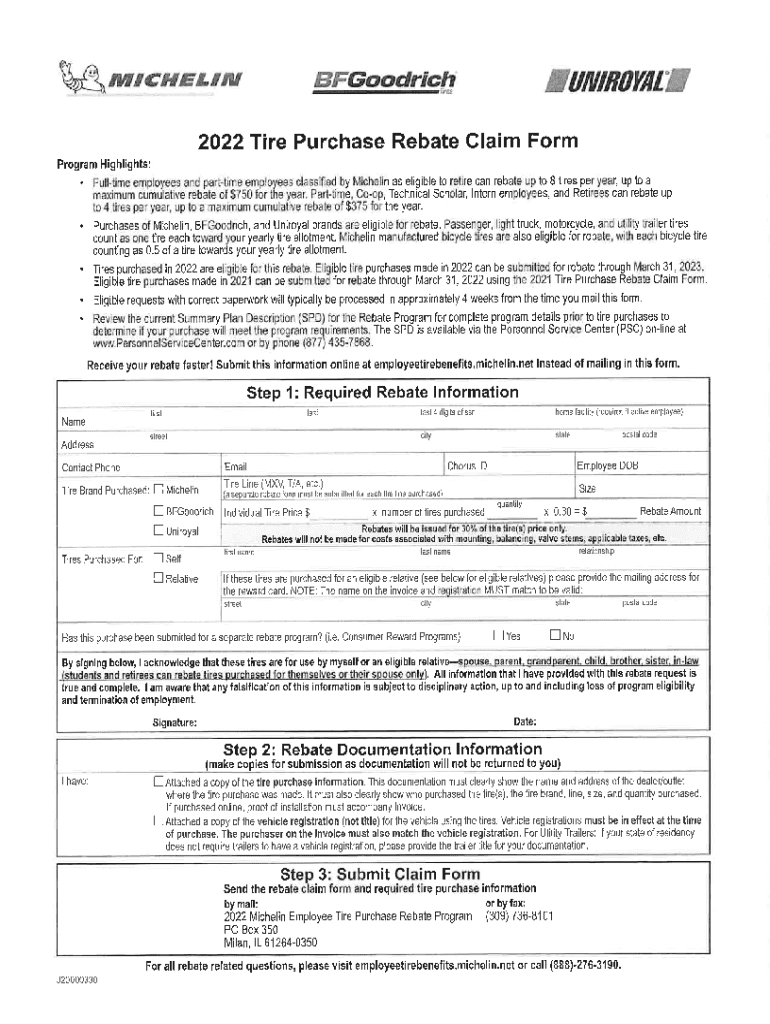







Definition & Meaning
"Form online" refers to a process where users can complete, submit, and manage forms through digital platforms without the need for paper. These forms are typically available on various websites, including governmental or business portals, and allow for efficient data handling and processing. Users can access, fill out, and submit these forms electronically, ensuring faster processing times and reducing the potential for errors associated with manual entry.
Digital forms are often used for activities such as applying for permits, filing taxes, or submitting service requests. A key feature of these forms is their ability to validate user inputs in real-time, ensuring all necessary fields are completed correctly before submission. This digitalization not only improves user experience but also enhances data security and accessibility.
How to Use the Form Online
To effectively use a form online, follow these general steps:
-
Access the Form: Visit the relevant website or platform where the form is hosted. Ensure you have a stable internet connection.
-
Read Any Instructions: Review the form instructions or guidelines, often provided at the beginning of the process, to understand any specific requirements or documentation needed.
-
Complete the Form: Fill in the required fields accurately. Many forms include dropdown menus, checkboxes, and text fields to guide you.
-
Review Your Entries: Before submission, carefully check for any errors or missing information to prevent processing delays.
-
Submit the Form: Once satisfied with your entries, submit the form through the available option, often a 'Submit' or 'Send' button.
-
Receive Confirmation: After submission, you may receive an email or on-screen confirmation of successful submission, with potential next steps.
These forms enhance convenience by allowing users to submit necessary information from anywhere, eliminating the need for physical presence.
Steps to Complete the Form Online
When completing a form online, adhere to the following detailed steps to ensure accuracy and compliance:
-
Prepare Necessary Information and Documents:
- Gather all required documents, such as identification, prior forms, or supporting information, before starting to fill out the form.
-
Initial Access:
- Visit the website or portal where the form is available. If applicable, log in using your credentials to access personal or sensitive forms.
-
Field Entry:
- Enter all required information, such as personal details, financial info, or choices specific to the form type. Use provided guidelines to avoid errors.
-
Attachments:
- Upload any necessary attachments using the platform’s specified format and size limits.
-
Final Review:
- Carefully read through your completed form to identify and rectify any mistakes or omissions.
-
Submit and Save:
- Submit the form and, if possible, save or print a copy of the submission for your records.
-
Follow-Up:
- Check for any follow-up communication or action required post-submission.
These steps ensure the process is seamless and efficient, ultimately saving time and reducing frustration.
Key Elements of the Form Online
Forms online typically comprise several crucial components to facilitate an organized data collection process:
- Title and Description: Clearly outlines the purpose and scope of the form.
- Instructions: Provides guidelines on how to fill out the form accurately.
- Identification Fields: Collects personal information such as name, address, and contact details.
- Specific Data Fields: Vary depending on the form type, including sections for financial data, choices, and preferences.
- Attachments Section: Allows for the upload of relevant documents if necessary.
- Validation Rules: Ensures required fields are completed correctly before submission.
- Submission Button: Finalizes and sends the form to its intended recipient.
- Confirmation Message: Notifies users of successful submission and any next steps.
These elements are designed to streamline data input and enhance the user experience.
Legal Use of the Form Online
Online forms are subject to legal considerations to protect both the entity collecting the data and the user providing it. Key legal principles include:
- Privacy Policies: Websites hosting forms must comply with privacy laws like the CCPA or GDPR, ensuring user data is handled responsibly.
- Terms of Use: Users may need to agree to terms detailing how their information will be used and stored.
- Electronic Signature Laws: Forms requiring a signature adhere to electronic signatures laws, such as the ESIGN Act, ensuring their legitimacy and enforceability.
- Data Encryption: Secure transmission methods must be in place to protect data during submission.
Understanding these legal facets is crucial for compliance and safeguarding sensitive information provided through forms.
Software Compatibility
For optimal use, forms online should be compatible with various software systems that users may employ. This compatibility includes:
- Browser Support: Ensure forms can be accessed through popular web browsers like Google Chrome, Firefox, and Safari.
- Cross-Platform Functionality: Forms should work seamlessly across different operating systems like Windows, macOS, and mobile OS.
- Integration with Office Software: Compatibility with programs like Microsoft Office Suite or Google Workspace for importing and exporting data.
- PDF Readers: For forms in PDF format, they should be viewable and editable with standard PDF software like Adobe Acrobat Reader.
By supporting diverse software environments, forms remain accessible and convenient for a wide user base.
Examples of Using the Form Online
Online forms can vary widely in their applications. Here are several examples demonstrating their versatility:
- Government Services: Applications for permits, licenses, or public benefits.
- Business Processes: Use in HR workflows for onboarding, leave requests, and evaluations.
- Educational Enrollments: Registration forms for schools, courses, or training sessions.
- Financial Transactions: Online banking forms for account setup or loan applications.
Each scenario highlights the applicability of forms online in achieving operational efficiency and effectiveness in data collection.
Important Terms Related to Form Online
Understanding key terminologies associated with forms online is crucial for navigating and using them effectively:
- Dropdown Menu: A selectable list of options to input data without free-form typing.
- Radio Buttons: Options where only one choice is permissible.
- Captcha: A security feature to verify that the form is filled out by a real person.
- SSL Encryption: A security protocol ensuring data transmitted is encrypted and secure.
Familiarity with these terms aids users in effectively completing and submitting online forms, enhancing overall interaction quality.




