
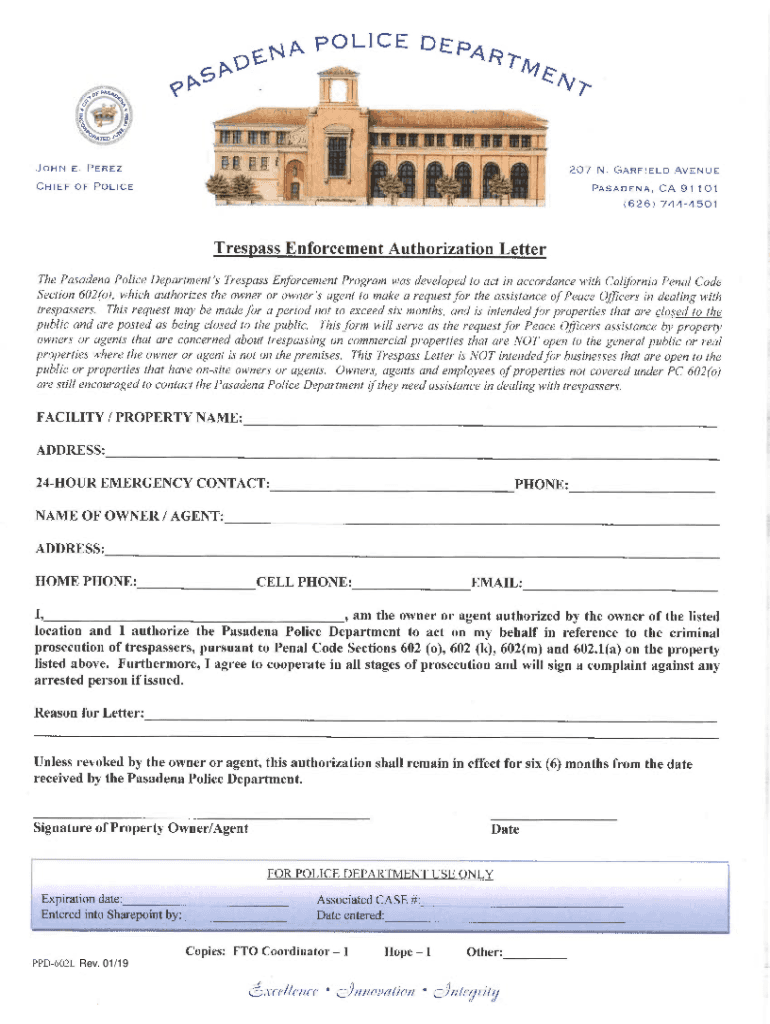







Definition and Meaning
Understanding the term "form online" involves exploring its application in digital spaces. Online forms are electronic documents that collect user data through digital platforms, providing a seamless method for information gathering, submission, and processing. These forms are widely utilized for various purposes such as applications, registrations, feedback collection, surveys, and more. They eliminate the need for physical paperwork, thus streamlining organizational processes and enhancing data accuracy. The accessibility of online forms allows users across the United States and beyond to complete necessary documentation with just a few clicks, ensuring efficiency and convenience.
How to Use the Form Online
Using a form online typically starts with accessing the form through a digital platform like DocHub. Once there, users can input their information directly into designated fields. For interactive forms, users may encounter features such as:
- Textboxes: For entering names, addresses, and other textual data.
- Checkboxes: For selecting options or confirming statements.
- Dropdown Menus: For choosing from a list of preset answers.
- Signature Fields: For applying electronic signatures.
Completing these forms often involves a step-by-step process that guides users through required sections, ensuring all necessary information is captured before submission.
How to Obtain the Form Online
Accessing a form online can be accomplished through several methods. Users often download forms directly from the issuing organization’s website or a trusted document management service like DocHub. Steps to obtain a form online typically include:
- Visiting the website offering the form.
- Searching for the specific form using keywords or form identifiers.
- Selecting the form and initiating the download process or opening it in an online editor like DocHub.
- Saving the form to one's device for offline access or filling it out online directly.
This method ensures that users have the latest version of the form, which includes updated fields and legal stipulations.
Steps to Complete the Form Online
Completing an online form involves several key stages:
- Review the Instructions: Begin by carefully reading all instructions provided with the form to understand requirements and necessary information.
- Enter Personal Information: Fill in personal and contact details in the designated fields.
- Complete All Sections: Move through each section, ensuring all mandatory fields are completed as per the guidance provided.
- Attach Supporting Documents: If required, upload any necessary documents such as identification or proof of eligibility.
- Verify Details: Double-check all entered information for accuracy.
- Apply Digital Signature: Use an electronic signature feature to authenticate the form.
- Submit: Follow the submission instructions, which may involve sending the form via email or submitting it directly through the platform.
This systematic approach ensures that the form is filled out accurately and completely.
Why Complete a Form Online
There are several reasons why completing a form online is beneficial:
- Efficiency: Completing forms online reduces the time spent on manual paperwork and physical delivery.
- Convenience: Forms can be completed anytime and anywhere, offering flexibility to users.
- Accuracy: Digital forms often include validation checks that reduce errors by ensuring all fields are correctly filled.
- Cost-Effectiveness: It eliminates mailing and printing costs associated with traditional paper forms.
Using online forms streamlines processes for both individuals and organizations, enhancing productivity.
Key Elements of the Form Online
Online forms contain essential components that facilitate data collection and user interaction:
- Fields and Input Boxes: Areas in the form designated for entering specific data like names and dates.
- Instructions and Guidelines: Embedded tips help users understand how to fill out the form correctly.
- Validation Features: Automated checks that ensure information is entered correctly, minimizing errors.
- Save and Resume Options: Some complex forms allow users to save their progress and resume later, offering flexibility for completion over time.
These elements work together to create a user-friendly form completion experience.
Legally Binding Electronic Signatures
Electronic signatures used within online forms hold the same legal standing as traditional signatures under the ESIGN Act in the United States. When completing forms online, users can apply their signature through various methods:
- Drawing: Using a mouse or touchpad.
- Typing: Selecting from different font styles for typed names.
- Image Upload: Incorporating an image of a physical signature.
These signatures provide authenticity to digital transactions, ensuring they are legally recognized.
Software Compatibility
Online forms, particularly when managed through platforms like DocHub, offer extensive software compatibility, integrating seamlessly with various applications:
- Cloud Storage Services: Forms can be imported and exported to and from platforms like Google Drive and Dropbox.
- Email Services: Direct form submissions and requests for information can be performed via email.
- Third-Party Software: Many online forms integrate with software like TurboTax or QuickBooks, allowing data to be extracted directly for financial processing or tax filing.
This compatibility enhances user convenience and ensures smooth data workflow across different software ecosystems.




