





Definition & Meaning
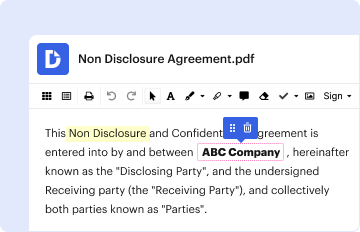
The term "form online" refers to the digitized version of documents used to collect or convey information via the internet. These forms are equipped with interactive fields that can be filled out directly through a web browser, allowing for ease of use and broad accessibility. They are typically employed in various sectors including education, business, and government, streamlining processes like data collection and application submissions.
Key Characteristics of Online Forms
- Interactive Fields: Incorporate elements like text boxes, checkboxes, and dropdown menus.
- Accessible: Available through any internet-enabled device, removing location barriers.
- Time-efficient: Accelerates processes by eliminating manual data entry and physical paperwork.
How to Obtain the Form Online
Securing an online form typically involves accessing a website or platform that provides these forms as part of their service offering. DocHub is an example, providing an intuitive portal where users can download or customize the necessary documents from a vast library of templates.
Steps to Obtain an Online Form
- Visit the Website: Navigate to the relevant online platform or document service.
- Search for the Form: Use the search feature to find the desired form by name or category.
- Select the Form: Click on the form to view or download it.
- Download or Use Online: Choose to either download the form for offline use or fill it out directly within the platform.
Steps to Complete the Form Online
Filling out an online form involves inputting the required information into predefined fields, ensuring that all mandatory areas are completed.
Comprehensive Guide to Form Completion
- Open the Form: Access the form on a compatible platform or web browser.
- Review the Instructions: Carefully read all instructions to understand what information is needed.
- Input Data: Begin entering data into each field. This may include text entry, date selections, or checkbox responses.
- Check for Errors: Verify that all data is accurate and all required fields are complete.
- Submit the Form: Once satisfied with the entries, submit the form as per provided submission guidelines.
Why Should You Form Online
Employing online forms offers numerous benefits over traditional paper forms. They allow for quicker processing times, reduce overhead costs, and improve accuracy by minimizing human error.
Benefits of Online Forms
- Efficiency: Automates data handling and eliminates the need for physical storage.
- Accessibility: Can be accessed 24/7 from any device with internet access.
- Environmentally Friendly: Reduces paper usage, contributing to environmental sustainability.
Who Typically Uses the Form Online
The use of online forms is widespread, covering various demographic and professional sectors.


Common Users of Online Forms
- Business Professionals: For HR paperwork, client onboarding, and contract agreements.
- Students and Educators: For applications, test submissions, and assignments.
- Government Agencies: For tax filings, permit applications, and census data collection.

Important Terms Related to Form Online
Understanding the terminology associated with online forms is crucial for effective utilization.
Glossary of Key Terms
- Fillable Field: An interactive section allowing input from the user.
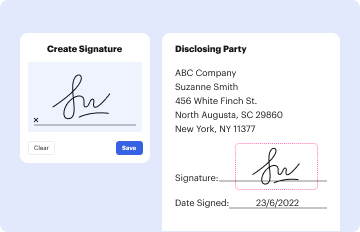
- Digital Signature: An electronic form of signing a document.
- Form Template: A pre-designed format that can be used as a starting point.
Legal Use of the Form Online
Forms completed online carry the same legal weight as paper forms when properly executed and submitted.
Ensuring Legal Compliance
- Digital Signatures: Can be used legally for signatures, adhering to U.S. laws like the ESIGN Act.
- Data Protection: Information is safeguarded through encryption and secure access protocols.
Key Elements of the Form Online
A well-structured online form comprises several essential components to ensure functionality and usability.
Components of Online Forms
- Header: Includes the form's title and purpose.
- User Instructions: Guidance on how to fill out the form.
- Interactive Fields: Areas where users enter information.
- Submission Section: Instructions or a button for submitting the completed form.