
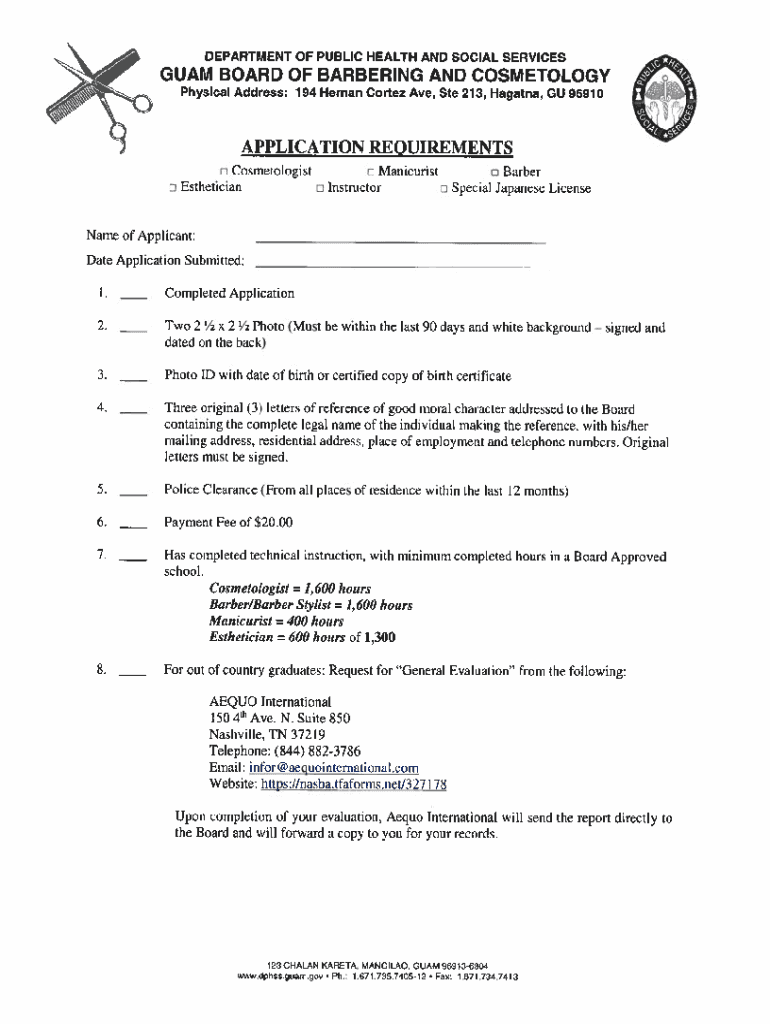







Definition & Meaning
The term "form online" refers to digital versions of traditional paper forms, enabling users to complete, submit, and process documents electronically. These forms are designed to streamline data entry and reduce the dependency on physical paperwork, offering a more efficient means to gather and manage information. Online forms are widely used across various sectors, from business applications and government services to educational and personal documentations.
Key Benefits of Using Online Forms
- Accessibility: Users can access online forms at any time and from any location, provided they have internet connectivity.
- Efficiency: Submitting a form online typically results in faster processing times compared to traditional paper methods.
- Environmental Impact: The reduction in paper uses helps minimize environmental waste.
How to Use the Form Online
Using online forms involves several straightforward steps, generally aimed at ensuring the accuracy and completeness of the information provided.
- Access the Form: Locate the form online through the relevant platform or agency's website. Ensure the site is secure when entering personal information.
- Complete Required Fields: Fill in all mandatory fields to prevent submission errors.
- Attach Supporting Documents: If required, upload additional documentation directly into the form system.
- Review Details: Double-check all entered data to ensure it is correct and complete.
- Submit the Form: After completing the form, submit it via the designated button or link.
Potential Challenges
- Technical Issues: Users may face software or connectivity problems, which can delay form submission.
- Data Security: Ensure secure connections to protect sensitive information being transferred.
Steps to Complete the Form Online
- Prepare Information: Gather all necessary details and documents before starting the online form.
- Create an Account: Some platforms require users to register or log in to access the form.
- Follow Instructions: Carefully read all instructions provided to avoid mistakes during completion.
- Check for Errors: Most online forms have error-checking features to highlight incomplete or incorrect entries.
Tips for Successful Completion
- Use Official Guides: Refer to official documents or guides if available, for specific instructions related to form completion.
- Save Progress: Regularly save your progress to prevent data loss in case of technical disruptions.
Why Should You Form Online
Transitioning to online forms offers numerous advantages, especially in contexts where speed, accuracy, and convenience are priorities.
- Cost-Effective: Reduces costs associated with printing, mailing, and processing paper documents.
- Convenient Tracking: Provides easy access to submitted forms and their status updates.
- Automatic Data Validation: Many online forms include built-in validation to reduce human error and improve data accuracy.
Real-World Impact
Businesses frequently report increased efficiency and customer satisfaction due to the availability of online forms, as they allow for swift transactions and clear communication channels.
Who Typically Uses the Form Online
Online forms are utilized by a diverse range of users, including:
- Businesses: For applications, registrations, and client intake forms.
- Government Agencies: For tax filings, permits, and public service applications.
- Educational Institutions: For student registration and academic records management.
- Individuals: For personal documentation, such as resumes or loan applications.


Examples in Various Sectors
- Courts of Law: Filing legal documents and case updates.
- Healthcare: Patient intake forms and medical history submissions.
Legal Use of the Form Online
Online forms have legal standing and can be used in official capacities, provided they meet regulatory requirements such as those set by the ESIGN Act. This legislation ensures that electronic forms and signatures are recognized similarly to their physical counterparts.
Important Legal Considerations
- Jurisdiction: Legal validity may differ based on the jurisdiction and purpose of the form.
- Privacy Regulations: Ensure compliance with privacy laws, such as the GDPR or HIPAA, when handling personal data.
Key Elements of the Form Online
An effective online form typically includes several essential components, designed to facilitate precise data collection and processing:
- Title and Description: Clearly labels the form and explains its purpose.
- Field Types: Uses a mix of text fields, checkboxes, and dropdowns to collect different data types.
- Instructions: Provides guidance on how to properly fill out the form.
- Submission Button: Finalizes and sends the completed form to the designated recipient.
Additional Features
- Electronic Signature Capability: Allows users to sign documents electronically, ensuring they are legally binding.
- Responsive Design: Ensures compatibility with different devices and screen sizes, enhancing accessibility.
Software Compatibility
Online forms are often integrated into software platforms for ease of use, and many systems are compatible with popular applications such as Google Workspace, TurboTax, and QuickBooks.
Integration Benefits
- Direct Data Import: Simplifies the process by importing data from existing databases.
- Streamlined Workflow: Allows for seamless transitions between data collection and processing phases.
By understanding the nuances and benefits of using forms online, users can enhance efficiency and effectiveness in both personal and professional document management.




