




01. Edit your sample letter to judge for early release from jail online
Type text, add images, blackout confidential details, add comments, highlights and more.

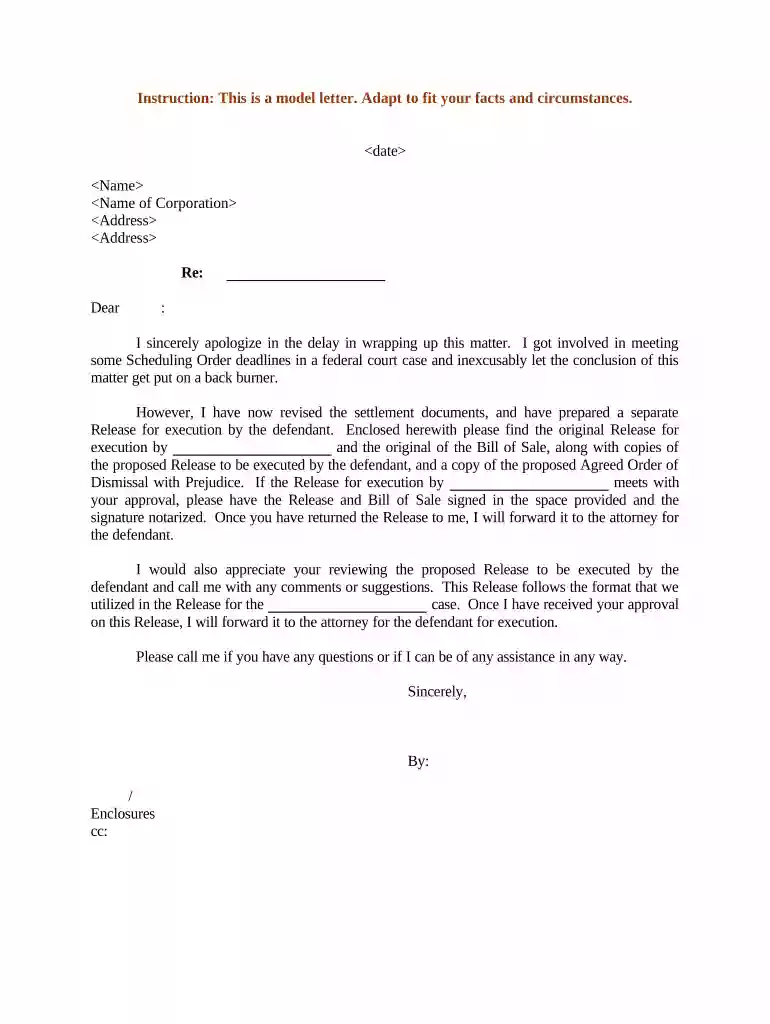
Type text, add images, blackout confidential details, add comments, highlights and more.

Draw your signature, type it, upload its image, or use your mobile device as a signature pad.

Send compassionate release examples via email, link, or fax. You can also download it, export it or print it out.
Compassionate release refers to a legal process through which incarcerated individuals may petition the court for an early release from prison or correctional facilities due to unusual circumstances, typically involving health issues or specific personal hardships. The intent behind such a release is to provide relief for those who may face severe medical conditions, are elderly, or have become disabled while serving their sentences. The mechanism for requesting a compassionate release often includes submitting a sample letter to a judge outlining the reasons and justifications for the request. This letter needs to convey significant detail, illustrating the degree of the individual’s situations that merit consideration for early release.
This process is an integral component of the justice system, aiming to address cases where continued imprisonment is deemed unjust considering the individual's health and overall quality of life.
When preparing to write a sample letter to a judge for compassionate release, it is essential to follow a structured framework to ensure clarity and effectiveness. This form of communication should clearly and respectfully present the reasons for requesting release. Below are key steps for utilizing the sample letter effectively:
This structured approach helps ensure that the letter is both respectful and informative, following legal expectations for presenting a compassionate release request.
Completing a letter requesting compassionate release from a judge involves several well-defined steps. Following each of these will help in constructing a coherent and persuasive document:
Gather Information: Collect all necessary information, including the inmate’s legal status, health documentation, and personal background details. Ensure these details are accurate and complete.
Draft the Letter: Start drafting the letter using the following structure:
Compose Key Sections:
Review and Revise: Carefully review the letter for grammatical errors, clarity, and tone. Ensure that the letter maintains a respectful tone throughout and effectively communicates the request.
Submit the Letter: Follow any specific submission guidelines for your jurisdiction to ensure the letter reaches the court appropriately, complying with both online and physical submission processes if required.
These steps will support crafting a persuasive letter that adheres to legal standards while addressing the matter at hand respectfully and thoroughly.
Understanding key legal terms associated with compassionate release can assist in effectively navigating the application process. Here are critical terms to familiarize yourself with:
Being conversant with these terms will enhance familiarity with the compassionate release process and ensure better navigation through the associated paperwork.
Utilizing examples can provide context for drafting a meaningful sample letter to a judge. Here are a few scenarios demonstrating effective use cases:
A letter written on behalf of an inmate suffering from stage four cancer may highlight the absence of adequate medical treatment options within the prison system. The letter could mention ongoing pain management issues and stress the importance of hospice care at home for the inmate's dignity and comfort. It would appeal for compassionate release based on the projected life expectancy and the need for familial support during this critical phase.
In another scenario, a letter could be written for an inmate whose primary caregiver has recently passed, leaving family members unable to provide necessary support. The letter would detail the family dynamics at play, including young children who require the inmate's assistance and presence. It would help the judge understand the emotional and logistical impact on the family without the inmate’s support.
A letter can also illustrate an individual's journey of rehabilitation, showcasing positive changes, attendance in educational programs, or volunteer work within the facility. Highlighting these achievements may provide evidence of the inmate's readiness to reintegrate into society and contribute positively post-release.
Sharing these examples alongside the letter can enhance the argument for granting compassionate release by providing concrete illustrations of the circumstances at play.
At DocHub, your data security is our priority. We follow HIPAA, SOC2, GDPR, and other standards, so you can work on your documents with confidence.


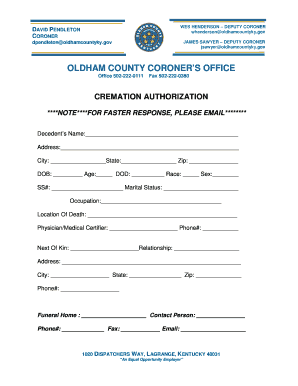

asking for compassionate release. The request should be in writing. In the motion you must describe the extraordinary or compelling circumstances that didRead more
This form should only be used for a compassionate release motion made to the court. If you are submitting a compassionate release request to the Bureau ofRead more
IMPORTANT: This guidance document was developed for use on the web. Please review the following disclaimers before using the PDF version of the web-basedRead more


