
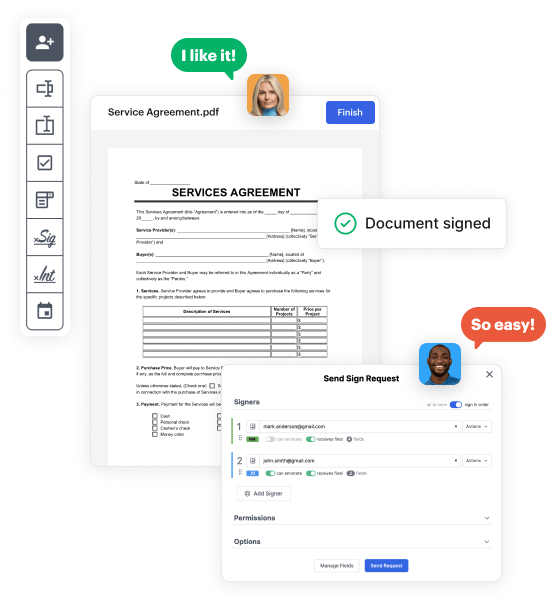
Create your Trust from scratch

Start Building Now
Title decoration

Here's how it works

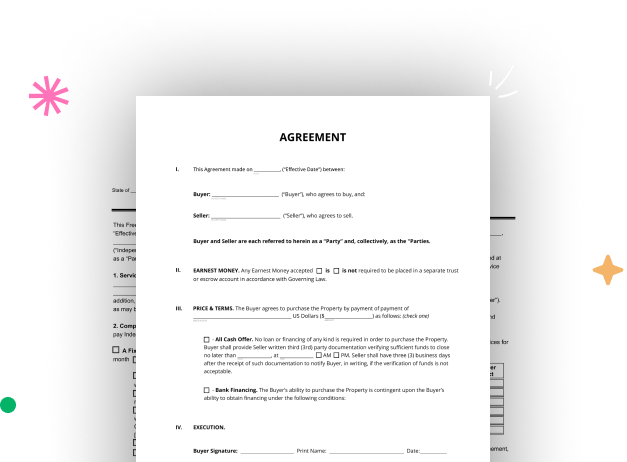
01. Start with a blank Trust
Open the blank document in the editor, set the document view, and add extra pages if applicable.
02. Add and configure fillable fields
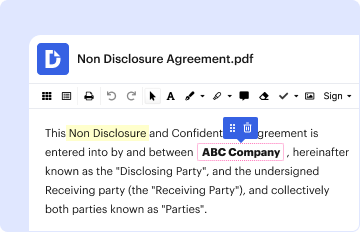
Use the top toolbar to insert fields like text and signature boxes, radio buttons, checkboxes, and more. Assign users to fields.
03. Distribute your form
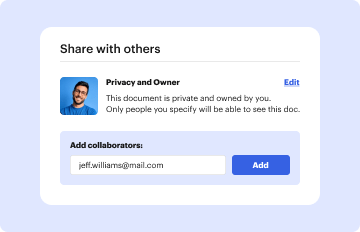
Share your Trust in seconds via email or a link. You can also download it, export it, or print it out.

Design your Trust in a matter of minutes

Form edit decoration

Step 1: Access DocHub to set up your Trust.

Start by logging into your DocHub account. Try out the advanced DocHub functionality at no cost for 30 days.

Step 2: Navigate to the dashboard.

Once logged in, go to the DocHub dashboard. This is where you'll create your forms and manage your document workflow.

Step 3: Create the Trust.

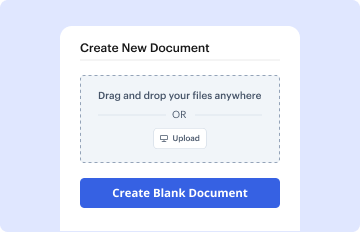
Click on New Document and select Create Blank Document to be taken to the form builder.

Step 4: Set up the form layout.

Use the DocHub toolset to add and configure form fields like text areas, signature boxes, images, and others to your document.

Step 5: Add text and titles.

Add necessary text, such as questions or instructions, using the text field to guide the users in your form.

Step 6: Configure field settings.

Modify the properties of each field, such as making them compulsory or arranging them according to the data you expect to collect. Assign recipients if applicable.

Step 7: Review and save.

After you’ve managed to design the Trust, make a final review of your document. Then, save the form within DocHub, send it to your chosen location, or distribute it via a link or email.


be ready to get more

Build your Trust in minutes

Start creating now

Got questions?

We have answers to the most popular questions from our customers. If you can't find an answer to your question, please contact us.
Contact us
Irrevocable trusts are an effective way to remove assets from your taxable estate. Revocable trusts can help your estate avoid probate but they dont reduce your estate tax liability.
Trusts can be broadly categorized into four main types: Living Trusts, Testamentary Trusts, Revocable Trusts, and Irrevocable Trusts. There are many different types of trusts you can choose from, and understanding how they are different can help you pick the right one for your needs.
Understanding the 3 Primary Classes of Trusts Revocable Trusts. A revocable trust can be alteredor even terminatedat any time during the trustors (person establishing the trust) lifetime. Irrevocable Trusts. Testamentary Trusts.
The 4 Biggest Mistakes Parents Make When Setting Up a Trust Fund Not choosing the right Trustee. Choosing the wrong Trustee is a common mistake parents make. Not being clear about the goals of the Trust. Not including asset protection provisions. Not reviewing the Trust annually.
An irrevocable trust provides you with more protection. While you cant modify it, creditors cant easily make claims against it, and assets held within it can generally be passed on to beneficiaries without being subject to estate tax.
be ready to get more

Build your Trust in minutes

Start creating now

Related Q&A to Trust

Many people use a revocable living trust because it gives them more control over the trust assets. Putting your house in a revocable trust still allows you to change the terms of the trust or remove the house from the trust if you want to.
A good Trustee should be someone who is honest and trustworthy, because they will have a lot of power under your trust document. The person you choose to act as a Trustee should also be financially responsible, because they will be handling the investments for the benefit of your beneficiaries.
Revocable, or living, trusts can be modified after they are created. Revocable trusts are easier to set up than irrevocable trusts. Irrevocable trusts cannot be modified after they are created, or at least they are very difficult to modify. Irrevocable trusts offer estate tax benefits that revocable trusts do not.

Additional resources on building your forms