Create your Legal Property Document from scratch

Start Building Now
Title decoration

Here's how it works

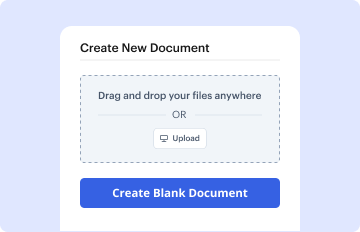
01. Start with a blank Legal Property Document
Open the blank document in the editor, set the document view, and add extra pages if applicable.
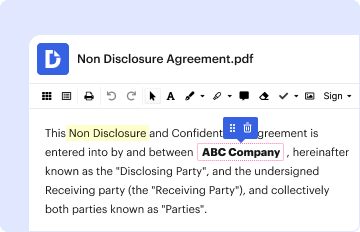
02. Add and configure fillable fields
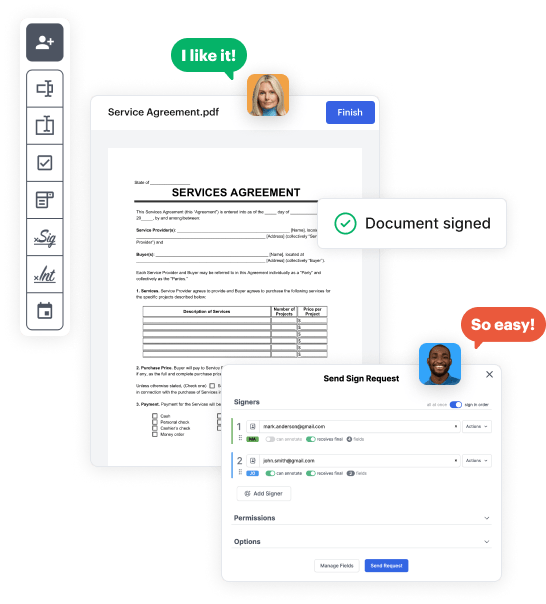
Use the top toolbar to insert fields like text and signature boxes, radio buttons, checkboxes, and more. Assign users to fields.
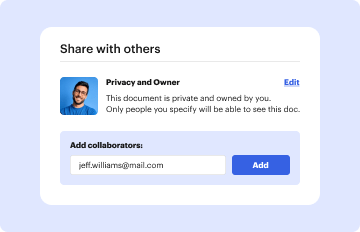
03. Distribute your form
Share your Legal Property Document in seconds via email or a link. You can also download it, export it, or print it out.

Create Legal Property Document from the ground up with these detailed instructions
Form edit decoration

Step 1: Start off by launching DocHub.

Start by setting up a free DocHub account using any offered sign-up method. Simply log in if you already have one.

Step 2: Sign up for a free 30-day trial.

Try out the entire set of DocHub's pro tools by registering for a free 30-day trial of the Pro plan and proceed to build your Legal Property Document.

Step 3: Add a new blank form.

In your dashboard, choose the New Document button > scroll down and choose to Create Blank Document. You will be taken to the editor.

Step 4: Organize the document’s view.

Utilize the Page Controls icon marked by the arrow to toggle between different page views and layouts for more flexibility.

Step 5: Start adding fields to create the dynamic Legal Property Document.

Explore the top toolbar to add document fields. Add and configure text boxes, the signature block (if applicable), insert images, etc.

Step 6: Prepare and configure the added fields.

Configure the fields you added based on your desired layout. Customize each field's size, font, and alignment to make sure the form is straightforward and neat-looking.

Step 7: Finalize and share your form.

Save the ready-to-go copy in DocHub or in platforms like Google Drive or Dropbox, or create a new Legal Property Document. Distribute your form via email or get a public link to reach more people.

be ready to get more

Build your Legal Property Document in minutes

Start creating now

Got questions?

We have answers to the most popular questions from our customers. If you can't find an answer to your question, please contact us.
Contact us
To be considered legally valid, a contract must meet certain criteria, such as mutual assent, consideration, capacity, and a legal purpose. However, it is possible to create a legal contract without hiring a lawyer. Seeking lawyers is customary but not necessary.
A deed is void at its inception if it attempts to transfer property to an inadequately designed grantee. Delivery and acceptance of the deed is presumed if it has been recorded. Both the grantor and the grantee sign the deed. It is not necessary for the grantor to physically deliver the deed to the grantee.
Your best bet to finding the legal description is to locate the deed to the property in the public record. You can visit your county clerk of the courts website or office to find the deed. Most counties have this information online, and you can search by address, owner name, or parcel number.
While its technically possible to write a demand letter yourself, there are docHub advantages to seeking the guidance of a legal professional. Heres why. Professional expertise. An attorney specialized in personal injury law understands the nuances of relevant statutes, case law, and procedural requirements.
View or create custom properties for the current file Click the File tab. Click Info. Click Properties at the top of the page, and then select Advanced Properties. Notes: Click the Custom tab. In the Name box, type a name for the custom property, or select a name from the list. Click OK.
be ready to get more

Build your Legal Property Document in minutes

Start creating now

Related Q&A to Legal Property Document

Why You Need a Business Contract Lawyer. If youre asking whether you need a lawyer to draft a contract, legally, the answer is no. Anyone can draft a contract on their own and as long as the elements above are included and both parties are legally competent and consent to the agreement, it is generally lawful.
Important points to include in a legal document. Party details. List the names, numbers, addresses (email or physical), and any other relevant information of all parties involved. Background information. Motion. Roles and responsibilities. BdocHubes or contingencies. Dates and signatures.

Additional resources on building your forms