
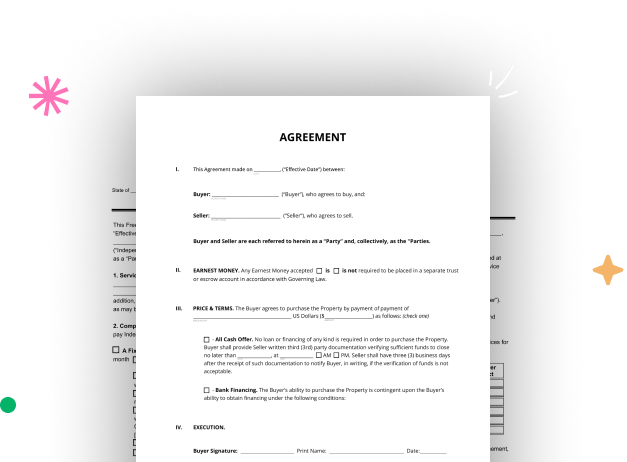
Create your Landlord and Tenant Form from scratch

Start Building Now
Title decoration

Here's how it works

01. Start with a blank Landlord and Tenant Form
Open the blank document in the editor, set the document view, and add extra pages if applicable.
02. Add and configure fillable fields
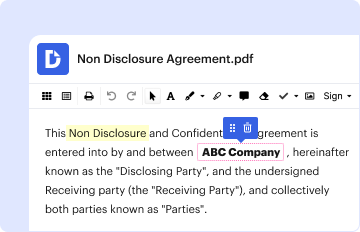
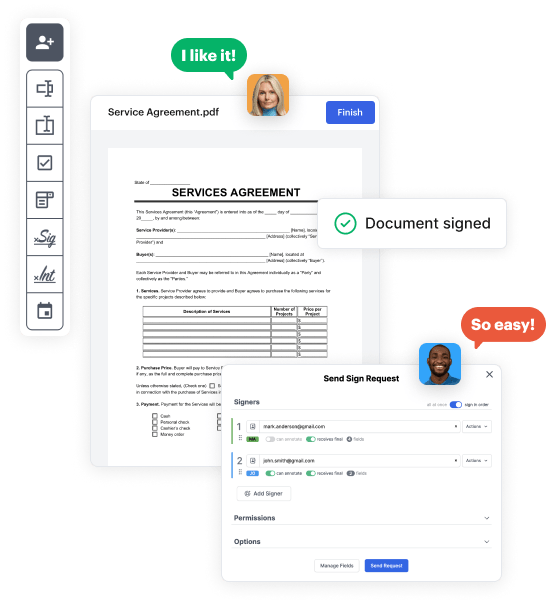
Use the top toolbar to insert fields like text and signature boxes, radio buttons, checkboxes, and more. Assign users to fields.
03. Distribute your form
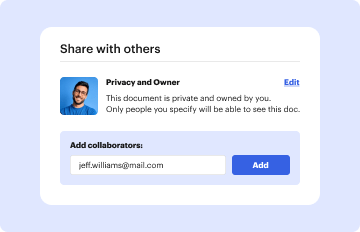
Share your Landlord and Tenant Form in seconds via email or a link. You can also download it, export it, or print it out.

Create your Landlord and Tenant Form in a matter of minutes

Form edit decoration

Step 1: Access DocHub to build your Landlord and Tenant Form.

Begin signining into your DocHub account. Utilize the advanced DocHub functionality at no cost for 30 days.

Step 2: Go to the dashboard.

Once logged in, head to the DocHub dashboard. This is where you'll create your forms and manage your document workflow.

Step 3: Create the Landlord and Tenant Form.

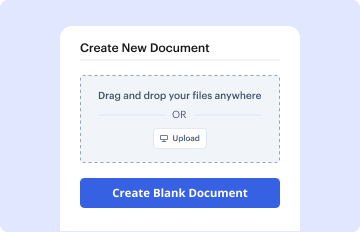
Click on New Document and choose Create Blank Document to be taken to the form builder.

Step 4: Set up the form layout.

Use the DocHub tools to add and configure form fields like text areas, signature boxes, images, and others to your form.

Step 5: Add text and titles.

Include needed text, such as questions or instructions, using the text field to lead the users in your document.

Step 6: Customize field settings.

Alter the properties of each field, such as making them mandatory or formatting them according to the data you plan to collect. Assign recipients if applicable.

Step 7: Review and save.

After you’ve managed to design the Landlord and Tenant Form, make a final review of your form. Then, save the form within DocHub, export it to your chosen location, or distribute it via a link or email.


be ready to get more

Build your Landlord and Tenant Form in minutes

Start creating now

Got questions?

We have answers to the most popular questions from our customers. If you can't find an answer to your question, please contact us.
Contact us
Under the Rent Stabilization Ordinance (RSO), a landlord is only required to pay monetary relocation assistance payments to tenants being evicted through no fault of their own. Without a RSO cause, a tenancy may not be terminated.
How to write a California lease agreement Identify the parties involved. Clearly state the names and contact information of both the landlord and the prospective tenant. Define the rental property. Specify the lease term. Outline rent and payment terms. Include important provisions. Comply with legal requirements.
Californias Tenant Protection Act The only lawful way to evict a tenant is to file lawsuit and wait for the court to order the Sheriff or Marshal to carry out the eviction. Landlords cannot change the locks, shut off power, or remove personal property in order to force a tenant out of their home.
Rent cannot be raised over any 12-month period more than the rate of inflation (Consumer Price Index or CPI.tenantprotections.org/calculator) + 5%. In no case can it be more than 10%. Rent can only be raised twice within any given 12-month period. California law limits the reasons why a renter can be evicted.
But, your landlord can still require you to move out for one of the no-fault reasons listed in the law. If your landlord evicts you for one of these reasons, they must first give you one months rent or waive one months rent to help you move out.
be ready to get more

Build your Landlord and Tenant Form in minutes

Start creating now

Related Q&A to Landlord and Tenant Form

Fill out the tenancy details: Name: Enter a name for the new tenancy. Description: Optionally, enter a description for the new tenancy. Service Namespace: Set a unique namespace for all resources created within this tenancy. Authentication Credentials: Set a user name and password for the primary tenancy administrator.
Steps to Add a Tenant to an Existing Lease Acquire a Written Request to Add a Tenant. Check the Units Occupancy Limit. Require a Completed Rental Application. Screen and Approve/Deny the New Tenant. Review the Details With Each Tenant.

Additional resources on building your forms