
Create your Civil Procedure Legal Document from scratch

Start Building Now
Title decoration

Here's how it works

01. Start with a blank Civil Procedure Legal Document
Open the blank document in the editor, set the document view, and add extra pages if applicable.
02. Add and configure fillable fields
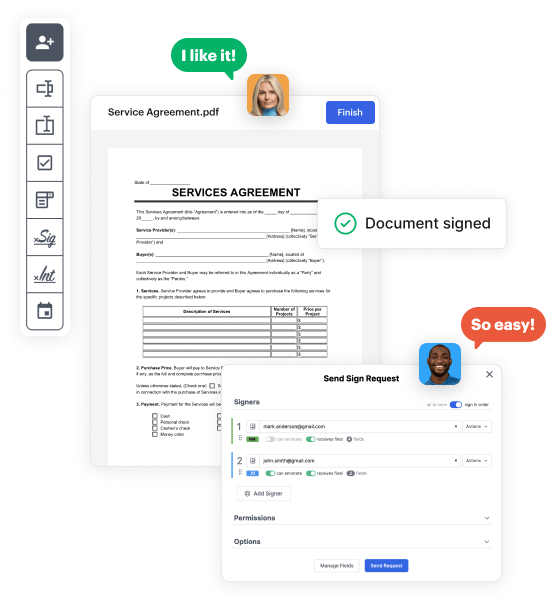
Use the top toolbar to insert fields like text and signature boxes, radio buttons, checkboxes, and more. Assign users to fields.
03. Distribute your form
Share your Civil Procedure Legal Document in seconds via email or a link. You can also download it, export it, or print it out.

Build Civil Procedure Legal Document from the ground up with these step-by-step guidelines

Form edit decoration

Step 1: Get started with DocHub.

Begin by registering a free DocHub account using any available sign-up method. Simply log in if you already have one.

Step 2: Register for a 30-day free trial.

Try out the complete collection of DocHub's advanced features by signing up for a free 30-day trial of the Pro plan and proceed to craft your Civil Procedure Legal Document.

Step 3: Start with a new empty document.

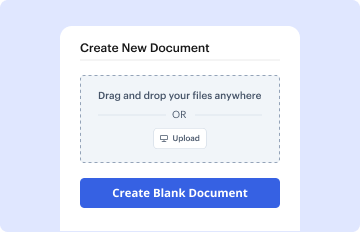
In your dashboard, choose the New Document button > scroll down and choose to Create Blank Document. You’ll be taken to the editor.

Step 4: Organize the document’s view.

Utilize the Page Controls icon marked by the arrow to switch between different page views and layouts for more convenience.

Step 5: Start inserting fields to design the dynamic Civil Procedure Legal Document.

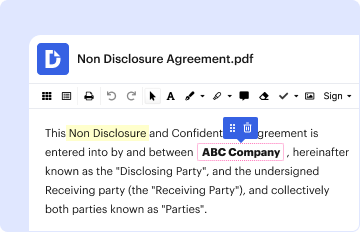
Explore the top toolbar to place document fields. Insert and configure text boxes, the signature block (if applicable), add photos, and other elements.

Step 6: Prepare and customize the incorporated fields.

Configure the fillable areas you incorporated based on your chosen layout. Adjust the size, font, and alignment to ensure the form is user-friendly and professional.

Step 7: Finalize and share your form.

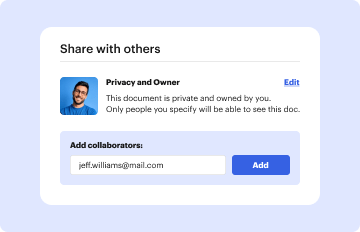
Save the ready-to-go copy in DocHub or in platforms like Google Drive or Dropbox, or create a new Civil Procedure Legal Document. Share your form via email or utilize a public link to engage with more people.


be ready to get more

Build your Civil Procedure Legal Document in minutes

Start creating now

Got questions?

We have answers to the most popular questions from our customers. If you can't find an answer to your question, please contact us.
Contact us
The complaint is the document that sets out the Plaintiffs charges against the Defendant.
Filing a Complaint The first document filed in a lawsuit is usually a pleading called a complaint or a petition. Its essential in various types of cases.
The plaintiff files a complaint to initiate a lawsuit. The defendant files an answer to the complaint. The judge will issue a scheduling order laying out a timeline for important dates and deadlines, including when the trial will take place. The parties engage in discovery.
You have to go to the police, the FBI, or the government prosecutor - the District Attorney (local or state law) or the States Attorney (federal law) - and ask that a case be filed. The prosecutor then decides whether the case is strong enough and/or important enough to pursue.
An affidavit or declaration used to support or oppose a motion must be made on personal knowledge, set out facts that would be admissible in evidence, and show that the affiant or declarant is competent to testify on the matters stated.
be ready to get more

Build your Civil Procedure Legal Document in minutes

Start creating now

Related Q&A to Civil Procedure Legal Document

To begin a civil lawsuit in federal court, the plaintiff files a complaint with the court and serves a copy of the complaint on the defendant.
complaint: Papers filed with the court by a plaintiff to start a lawsuit. A complaint sets out facts and legal claims (called causes of action). In some types of cases, it is called a petition.
California Criminal Court Process Investigation. Unless police witnessed you committing an alleged crime, chances are that law enforcement officers conducted an investigation before arresting you. Arrest and Charges. Arraignment. Bail. Pretrial Process. Trials. Sentencing. Appeals.
complaint: In civil cases, a written statement filed by the plaintiff that starts a case. Says what the plaintiff thinks the defendant did and asks the court for help. Also called the initial pleading or petition. A complaint is also used to start a criminal case.

Additional resources on building your forms