




01. Edit your form online
Type text, add images, blackout confidential details, add comments, highlights and more.

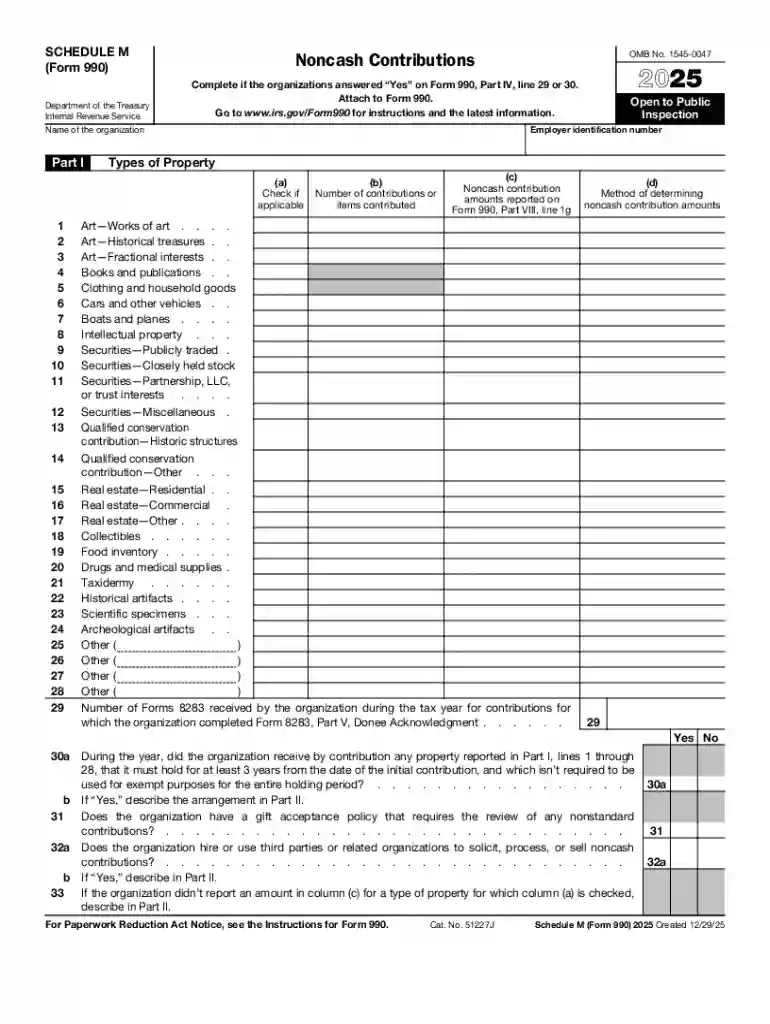
Type text, add images, blackout confidential details, add comments, highlights and more.

Draw your signature, type it, upload its image, or use your mobile device as a signature pad.

Send it via email, link, or fax. You can also download it, export it or print it out.
Schedule M Form 990 is utilized by tax-exempt organizations to report noncash contributions. These contributions are items or assets other than cash, such as property or goods, donated to the organization. The form serves to provide detailed information about the types and values of noncash contributions received during the tax year, ensuring compliance with IRS regulations concerning transparency and donor acknowledgment.
To effectively use this form, organizations must:
Using Schedule M accurately is critical for maintaining the organization's tax-exempt status. Noncompliance can lead to penalties or even revocation. Organizations must provide transparent and comprehensive records of noncash contributions to ensure their legality under IRS regulations.
The IRS provides comprehensive guidelines for filling out Schedule M, including:
Failure to correctly complete or file Schedule M Form 990 may result in:
Selecting these blocks provides a comprehensive understanding of Schedule M Form 990 Noncash Contributions, addressing its definition, use, importance, and the steps needed to complete it accurately.
We've got more versions of the Schedule M Form 990 Noncash Contributions form. Select the right Schedule M Form 990 Noncash Contributions version from the list and start editing it straight away!
| Versions | Form popularity | Fillable & printable |
|---|---|---|
| 2025 | 4.8 Satisfied (28 Votes) | |
| 2024 | 4.1 Satisfied (41 Votes) | |
| 2023 | 4.9 Satisfied (21 Votes) | |
| 2022 | 4.1 Satisfied (55 Votes) | |
| 2021 | 4.8 Satisfied (37 Votes) | |
| 2020 | 4.3 Satisfied (49 Votes) | |
| 2019 | 4.4 Satisfied (221 Votes) | |
| 2018 | 4.3 Satisfied (183 Votes) | |
| 2017 | 4.3 Satisfied (131 Votes) | |
| 2016 | 4.3 Satisfied (138 Votes) |
At DocHub, your data security is our priority. We follow HIPAA, SOC2, GDPR, and other standards, so you can work on your documents with confidence.

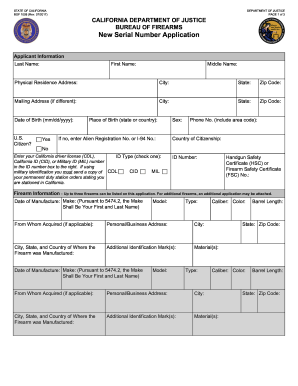
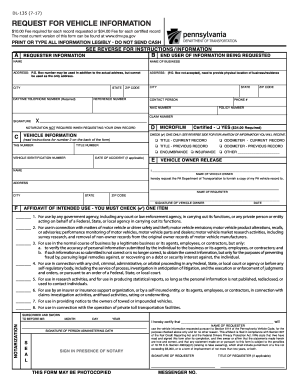
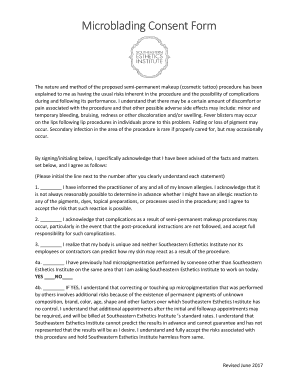
Noncash Contributions. Complete if the Schedule M (Form 990) (2015). Part II. Page 2 (h). Disproportionate allocations? of Schedule K-1. (Form 1065). Yes No.
Schedule M (Form 990) is used by an organization that files Form 990 to report the types of noncash contributions received during the year by the organization


