
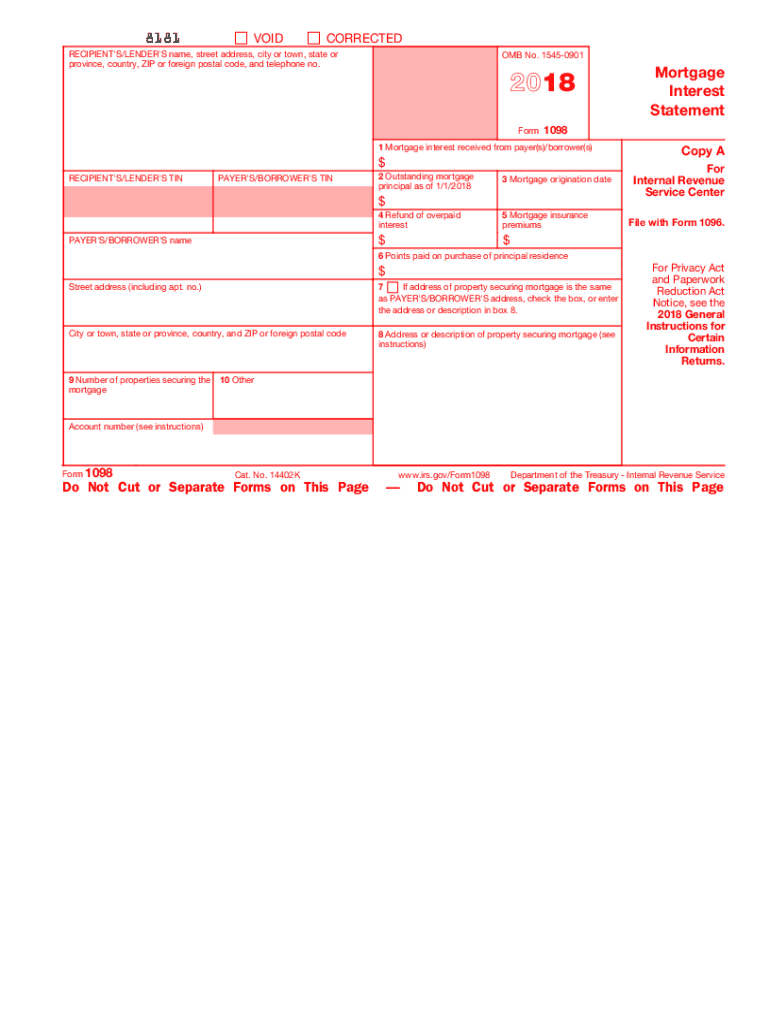







Definition and Purpose of IRS Form 1098-T 2017
IRS Form 1098-T, Tuition Statement, is utilized by eligible educational institutions to report information about their students' tuition payments. The form's primary purpose in 2017 was to provide students and the IRS with details on qualified education expenses that could qualify for education tax credits and deductions. Educational institutions issue this form to students who paid "qualified education expenses" to help them determine if they qualify for education-related tax benefits.
Steps to Complete IRS Form 1098-T 2017
-
Institution Information: Begin by ensuring the institution's name, address, and taxpayer identification number are accurately recorded in the top section of the form.
-
Student Information: Verify that the student's name, address, and Social Security Number are documented correctly. This information must match the institution's records and the student's tax filing details.
-
Tuition Payments: In Box 1, report all payments received for qualified tuition and related expenses during the calendar year. This differs from reports of amounts billed, requiring precision in tracking payments.
-
Adjustments and Scholarships: Use Box 4 for any adjustments made for prior-year scholarships and grants. Box 5 should reflect the total of any scholarships or grants received, which might impact the tax benefits a student can claim.
-
Additional Details: Complete the remaining boxes related to reimbursements, insurance contracts, and specialized tuition programs as necessary. Ensure accuracy in these details to prevent filing complications.
Key Elements and Structure of the Form
- Box 1: Payments received for qualified tuition and related expenses.
- Box 2: Amounts billed for qualified tuition (discontinued after 2017 but relevant for form understanding).
- Box 4: Adjustments made for a prior year.
- Box 5: Scholarships or grants received.
- Box 7: Reflects whether the amounts in Box 1 include amounts for educational periods beyond the current calendar year.
Obtaining the IRS Form 1098-T 2017
Eligible educational institutions are responsible for providing IRS Form 1098-T to each student who qualifies. Students typically receive this form by January 31st of the year following the tax year being reported. Forms can be distributed via mail or electronically, depending on the institution's standard practice and student preferences. Students can often access these documents through the institution's student portal if available.
Filing Deadlines and Important Dates
The critical deadline for educational institutions to furnish a Form 1098-T to students and file it with the IRS is January 31st of the year following the tax year. Ensuring timely distribution and filing is essential to avoid potential penalties and to facilitate students' ability to meet their tax reporting obligations.
Legal Use and Compliance
Proper use of IRS Form 1098-T is vital for compliance with tax laws related to education credits such as the American Opportunity Credit and the Lifetime Learning Credit. Accurate reporting helps students determine their eligibility for these credits, reducing the risk of erroneous claims and potential audits.
Eligibility Criteria and Typical Users
Typically, the primary users of IRS Form 1098-T are students attending post-secondary institutions and their families. To qualify for education tax credits, a student must be enrolled at least half-time in a program leading to a degree or recognized educational credential. Foreign students, or those with tuition waivers, might not receive a 1098-T if they do not incur qualified expenses.


Penalties for Non-Compliance
Educational institutions face significant penalties for failing to issue IRS Form 1098-T to all eligible students or for issuing incorrect forms. Penalties can reach up to $280 per form for failing to meet the filing requirements, emphasizing the necessity of accuracy and completeness in form preparation and distribution.
Digital vs. Paper Version
Both digital and paper versions of Form 1098-T are available, with many institutions opting for e-delivery due to efficiency. The choice of format does not affect the form's validity, however, institutions must ensure they meet the IRS requirements for consent when providing the form electronically.
Practical Scenarios and Examples
For instance, consider a student attending a private university who pays tuition through a combination of personal funds and a scholarship. The Form 1098-T would reflect this scenario by showing the total payments received and listing scholarship amounts separately, which the student would then use to assess their eligibility for education tax credits. Similarly, understanding adjustments made for prior years is crucial for students who might need to amend their past returns due to refunded payments or additional grants received.
Software and Compatibility Considerations
Many popular tax software programs, like TurboTax and H&R Block, provide features that allow users to upload their Form 1098-T data automatically. When using these services, ensure that the software supports this function and that all entry fields align with your specific form details to prevent errors during tax filing.




