




01. Edit your 1098 2014 online
Type text, add images, blackout confidential details, add comments, highlights and more.

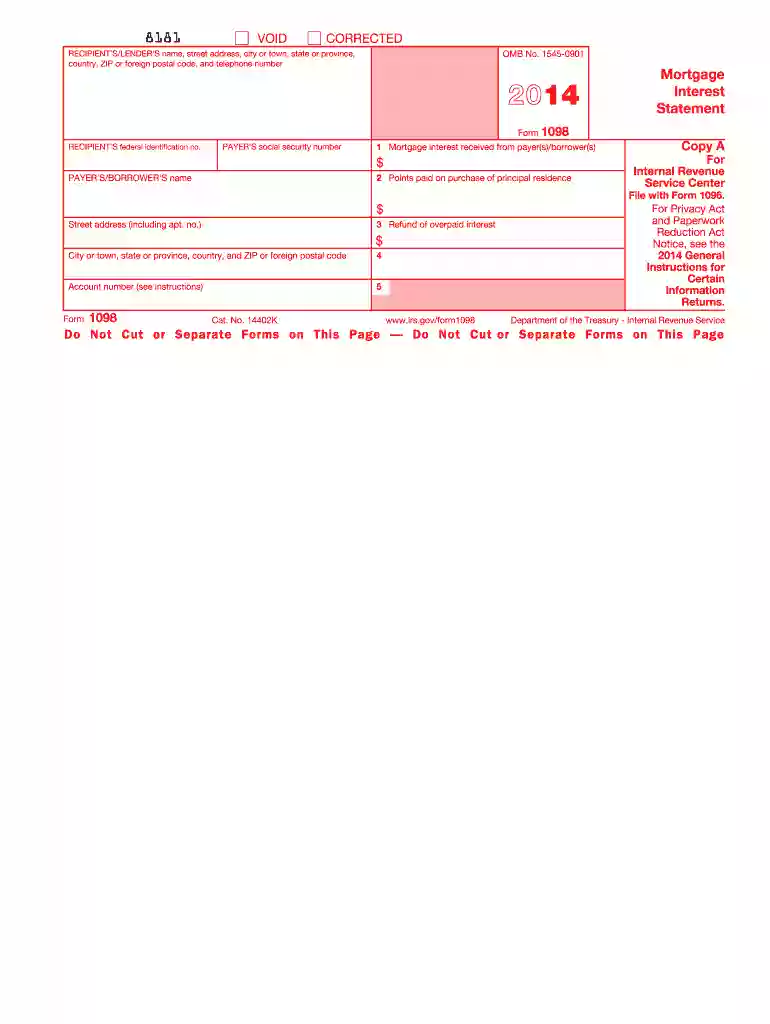
Type text, add images, blackout confidential details, add comments, highlights and more.

Draw your signature, type it, upload its image, or use your mobile device as a signature pad.

Send 2014 form 1098 via email, link, or fax. You can also download it, export it or print it out.
Form 1098, widely known as the Mortgage Interest Statement, is a document used to report mortgage interest paid by a borrower to a lender. In the context of the form, lenders fill out these forms for borrowers who have paid $600 or more in mortgage interest during the tax year. This form helps borrowers claim a mortgage interest deduction on their federal income tax return, thus reducing their taxable income. Besides mortgage interest, the form can also include other property-related expenses such as real estate taxes or private mortgage insurance premiums.
Identify Payer and Recipient Information:
Enter Loan-Related Information:
Input Interest Paid:
Additional Charges:
Finalize and Verify:
Lenders must furnish Copy B of the 1098 form to the borrower by January 31 of the following year, enabling timely tax filing by recipients. The deadline for sending Copy A to the IRS typically falls by the end of February if filing by mail, or the end of March if filed electronically. These dates ensure that all parties involved have adequate time to review and incorporate the information provided in their respective tax documents.
The form complies with the Internal Revenue Code guidelines, specifically under the sections that govern mortgage interest reporting. To ensure legal integrity, lenders must be diligent in maintaining accurate records of payments received and interest calculations. Non-compliance or inaccurate reporting may result in penalties from the IRS, emphasizing the importance of meticulous adherence to these regulations.
Payer and Recipient Details:
Interest Received:
Related Charges:
Most borrowers receive the 1098 form from their lenders automatically. However, if not received by the end of January, borrowers should contact their mortgage lender to request a copy. For taxpayers managing taxes via software like TurboTax or QuickBooks, these platforms may provide options to import 1098 data directly, streamlining the filing process.
Although content remains consistent, the digital version offers benefits such as integration with tax software and the convenience of electronic filing. Paper versions are still relevant for individuals preferring traditional documentation. Both methods require the same level of accuracy, and ultimately, the choice of format depends on user preference and resources.
Failure by a lender to issue the 1098 form can lead to IRS penalties, including fines. For borrowers, not filing correct information can result in denied deductions, altered tax liability, or additional scrutiny by the IRS. Awareness of these potential consequences ensures timely and correct filing, avoiding legal and financial ramifications.
Adherence to the guidelines set by the IRS is crucial for the 1098 form. These include the correct use of boxes for entering financial figures, ensuring data integrity, and following confidentiality norms when handling taxpayer information. Maintaining compliance with these standards prevents discrepancies and reinforces the proper use of the form in tax processes.
We've got more versions of the 1098 2014 form. Select the right 1098 2014 version from the list and start editing it straight away!
| Versions | Form popularity | Fillable & printable |
|---|---|---|
| 2022 | 4.9 Satisfied (20 Votes) | |
| 2021 | 4.8 Satisfied (113 Votes) | |
| 2020 | 4.2 Satisfied (69 Votes) | |
| 2019 | 4.4 Satisfied (328 Votes) | |
| 2018 | 4.4 Satisfied (296 Votes) | |
| 2017 | 4.3 Satisfied (331 Votes) | |
| 2016 | 4.4 Satisfied (460 Votes) | |
| 2015 | 4.2 Satisfied (66 Votes) | |
| 2014 | 4 Satisfied (40 Votes) | |
| 2013 | 4 Satisfied (45 Votes) | |
| 2012 | 4.3 Satisfied (65 Votes) | |
| 2011 | 4 Satisfied (33 Votes) | |
| 2010 | 4.1 Satisfied (61 Votes) | |
| 2008 | 4 Satisfied (53 Votes) |
At DocHub, your data security is our priority. We follow HIPAA, SOC2, GDPR, and other standards, so you can work on your documents with confidence.
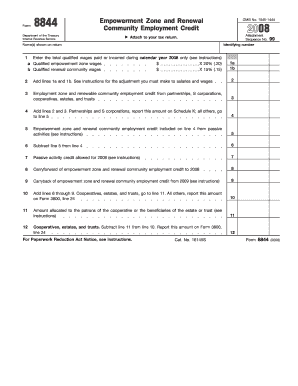


To complete Form 1098, use: the 2014 General Instructions for Certain Information. Returns, and. the 2014 Instructions for Form 1098. To order theseRead more
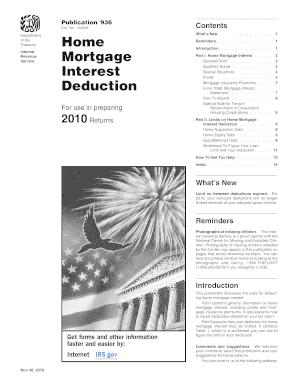
Apr 15, 2015 Whats New. Premium tax credit. You may be eligible to claim the premium tax credit if you, your spouse, or a dependent.Read more
To complete Form 1098-T, use: the 2014 General Instructions for Certain Information. Returns, and. the 2014 Instructions for Forms 1098-E and1098-T. ToRead more


