




01. Edit your w3 2012 online
Type text, add images, blackout confidential details, add comments, highlights and more.

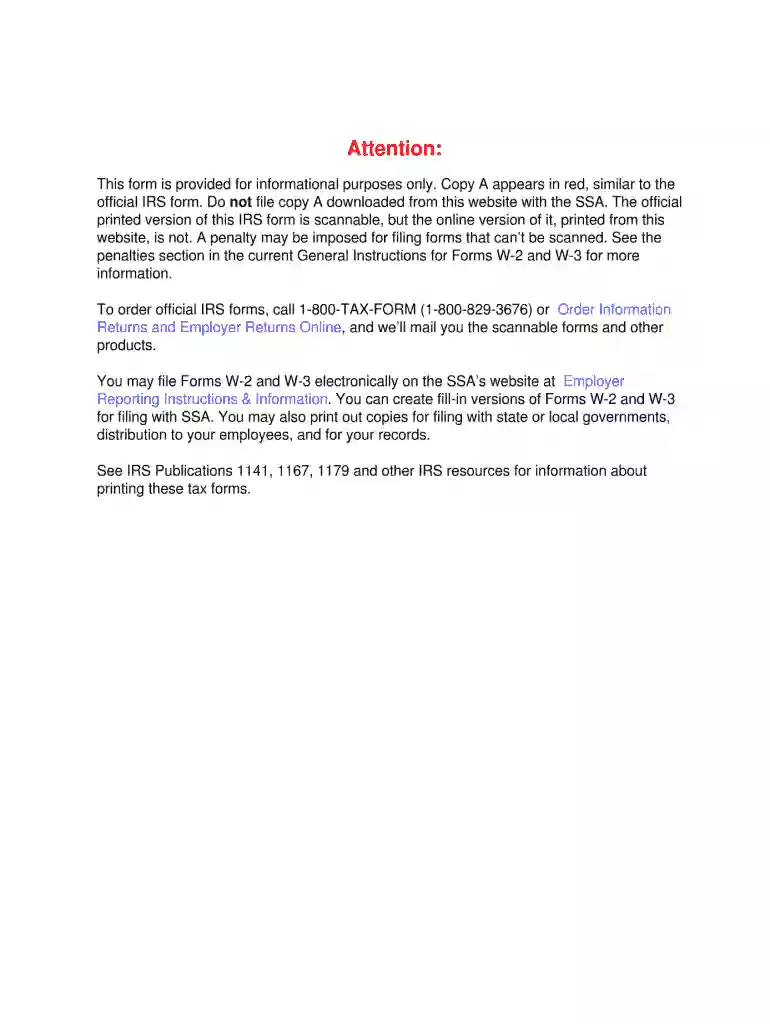
Type text, add images, blackout confidential details, add comments, highlights and more.

Draw your signature, type it, upload its image, or use your mobile device as a signature pad.

Send form w 3 2012 via email, link, or fax. You can also download it, export it or print it out.
The 2012 W-3 form, also referred to as the Transmittal of Wage and Tax Statements, is a crucial tax document used in the United States. Its primary purpose is to summarize employee wage and tax information from multiple W-2 forms for submission to the Social Security Administration (SSA). This ensures that all reported earnings are accurately recorded in SSA’s systems. Employers must file this form annually along with Copy A of the W-2 forms they have issued to employees.
Employers should use the 2012 W-3 form to transmit employee wage data outlined in the W-2 forms to the SSA. It essentially acts as a cover sheet that aggregates data from all the individual W-2 forms. The document should reflect totals for various types of compensations and withholdings, including wages, tips, Medicare taxes, and Social Security taxes.
Employers can obtain the 2012 W-3 form through various methods. The most direct way is by ordering it from the IRS website or by visiting the local IRS office. The form can also be accessed from authorized payroll software, which is integrated to generate necessary W-3 forms while maintaining compatibility for electronic submission.
Completing the 2012 W-3 form involves several key steps. Attention to detail is essential to ensure accurate reporting and compliance.
The primary users of the 2012 W-3 form are employers who must report wage and tax information to the SSA. This encompasses businesses of all sizes, from small enterprises to large corporations. Payroll departments or external payroll service providers often handle the preparation and filing of W-3 forms to ensure compliance with federal tax regulations.


The W-3 form contains several essential components that must be filled out correctly:
The deadline for submitting the 2012 W-3 form, along with corresponding W-2 forms, is January 31st of the following year. Meeting this deadline is crucial to prevent penalties and ensure timely processing by the SSA. Delays can result in fines and complications in employee tax filings and SSA records.
Non-compliance with W-3 filing requirements can lead to significant penalties. Failure to file the form on time, inaccurate data submission, or incomplete forms can incur fines from the IRS. In severe cases where deliberate evasion is detected, additional legal implications may arise, emphasizing the importance of accuracy and promptness in filing.
By following these guidelines, employers can effectively manage their W-3 form submissions, ensuring compliance with federal tax regulations and safeguarding their business against potential penalties.
We've got more versions of the w3 2012 form. Select the right w3 2012 version from the list and start editing it straight away!
| Versions | Form popularity | Fillable & printable |
|---|---|---|
| 2024 | 4.8 Satisfied (22 Votes) | |
| 2023 | 4.2 Satisfied (48 Votes) | |
| 2022 | 4.9 Satisfied (31 Votes) | |
| 2021 | 4.8 Satisfied (161 Votes) | |
| 2020 | 4.4 Satisfied (217 Votes) | |
| 2019 | 4.4 Satisfied (274 Votes) | |
| 2018 | 4.4 Satisfied (268 Votes) | |
| 2017 | 4.4 Satisfied (830 Votes) | |
| 2016 | 4.3 Satisfied (48 Votes) | |
| 2015 | 4 Satisfied (43 Votes) | |
| 2014 | 4.1 Satisfied (48 Votes) | |
| 2013 | 4 Satisfied (54 Votes) | |
| 2012 | 4 Satisfied (27 Votes) | |
| 2011 | 4.2 Satisfied (71 Votes) | |
| 2010 | 4.2 Satisfied (30 Votes) |
Electronic signatures are a perfect replacement for traditional signing, as they save time, effort, and money people spend on printing, scanning, and paper delivery. You can eSign your w3 form 2012 fillable utilizing a reliable and powerful online document management services like DocHub. It complies with major eSignature standards (ESIGN and UETA), so all forms approved there are legally binding and have the same validity as physically signed ones.
You need only a web connection and a browser to fill out your 2012 w 3 form by using an iOS phone. Open the DocHub website and authenticate. Then, add your file or choose it from the list in your dashboard. Then use our editing instruments to fill out your form and save all your changes. You may also send it to a dedicated recipient straight away.
At DocHub, your data security is our priority. We follow HIPAA, SOC2, GDPR, and other standards, so you can work on your documents with confidence.

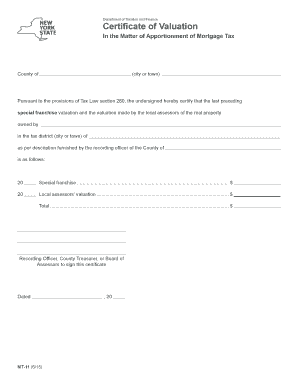

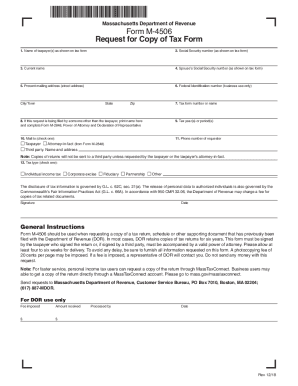

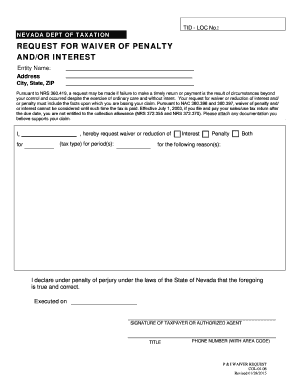

Jul 6, 2022 — Next, enter your information on the the form itself and print out the ... RI-W3 (2021) RI-W3 Transmittal of Wage and Tax Statements PDF file ...
Inst W-2 and W-3, Instructions for Forms W-2 and W-3, Wage and Tax Statement and Transmittal of Wage and Tax Statements, 2012. Inst W-2 and W-3 ...


