




01. Edit your 2018 w 3 online
Type text, add images, blackout confidential details, add comments, highlights and more.

Type text, add images, blackout confidential details, add comments, highlights and more.

Draw your signature, type it, upload its image, or use your mobile device as a signature pad.

Send 2018 w3 via email, link, or fax. You can also download it, export it or print it out.
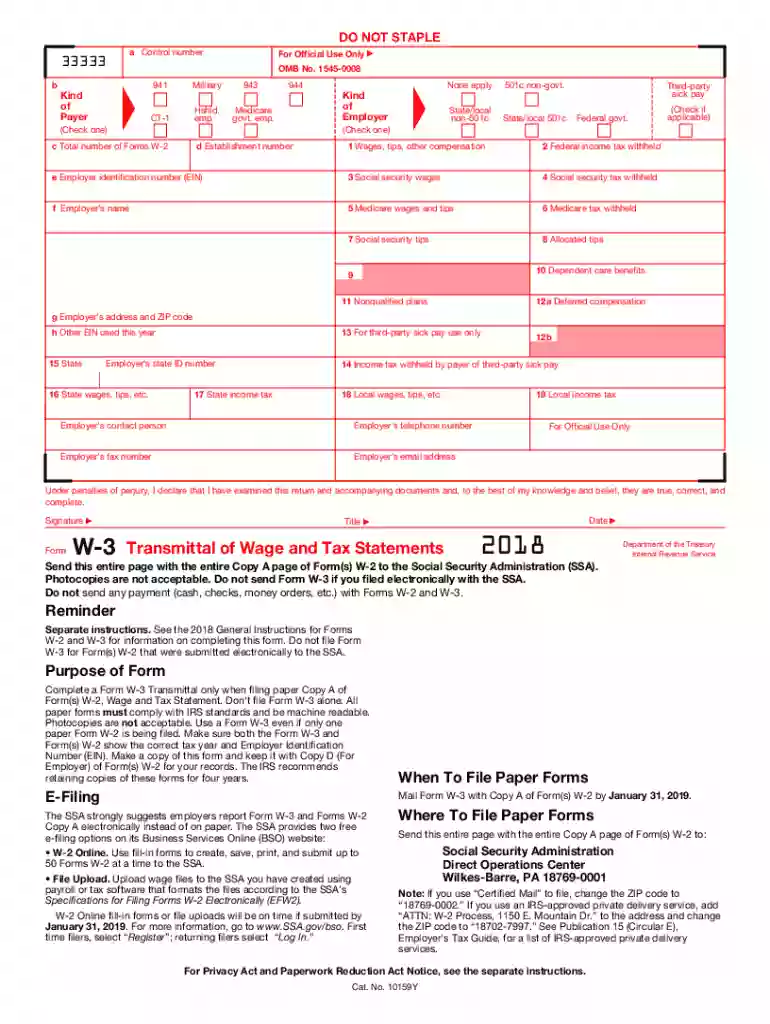
The 2015 W-3 form, known as the Transmittal of Wage and Tax Statements, is a summary form filed with the Social Security Administration (SSA) to accompany the W-2 forms. This document provides a summary of the total wages, tips, and other compensation paid to employees, as well as the total income and Social Security taxes withheld throughout the year. The W-3 form acts as a reconciliation form to ensure that the total amounts reported on the accompanying W-2 forms match what is being submitted to the SSA. It's crucial for accurately reporting total wages and taxes paid by an employer.
Employers use the W-3 form to compile and transmit the information from multiple W-2 forms to the SSA. The process begins by collecting all the W-2 forms issued for the tax year. Each of these forms contains employee-specific details about earnings and tax withholdings. The W-3 form summarizes the totals from all employee W-2s, consolidating them into one document. Employers must ensure that all figures align correctly to avoid discrepancies. They must then submit the W-3 form to the SSA, either electronically or via mail, ensuring compliance with deadlines.
The 2015 W-3 form can be obtained through the IRS website or by ordering it directly from the IRS for physical copies. Some tax preparation software also provides printable forms that can be completed electronically. It's advisable for businesses to ensure they are using the correct year’s form by confirming the tax year on the document. Employers should also check if they have the latest version that matches IRS guidelines for that specific tax year, as forms may be updated or revised.
For the 2015 tax year, employers were required to submit both the W-2 forms and the W-3 form to the SSA by February 29, 2016, for paper filing, or by March 31, 2016, if filing electronically. Timely filing is crucial to avoid penalties and ensure accurate processing. The deadlines facilitate the SSA's ability to process wage reporting promptly, which further affects employees' tax filings and Social Security benefits.
When preparing the 2015 W-3 form, employers need the following documents:
Failure to file the W-3 form accurately, or to meet filing deadlines, can result in penalties from the IRS. In 2015, penalties were imposed based on how late the filing occurred and the employer's annual revenue. The penalties could range from $30 per form to a maximum of $250 per form, depending on the delay length and size of the business. Additionally, providing incorrect or inconsistent information could lead to further fines and require correction filings to rectify any inaccuracies, underscoring the need for meticulous data verification.
Employers have the option to submit the 2015 W-3 form either online or by mail. Electronic filing is preferred and often recommended due to its efficiency; it can be done through SSA's Business Services Online (BSO). This method offers immediate confirmation and reduces potential errors associated with manual data entry. If filed by mail, the forms should be sent to the SSA's appropriate office, ensuring proper delivery by the specified deadlines. In-person submissions are not an available method, making electronic or postal filing the primary options.
The IRS guidelines for the 2015 W-3 form emphasize the accuracy of information and adherence to submission deadlines. Employers must use official forms without alterations or print them directly from IRS-approved software. The guidelines also detail the importance of using legible, scannable forms for paper submissions to prevent rejection due to quality issues. Employers are encouraged to verify all data against internal records to avoid discrepancies and penalties. Additionally, the IRS provides updates and publications that detail specific filing requirements and changes applicable to that tax year, ensuring compliance with federal tax laws.
We've got more versions of the 2018 w 3 form. Select the right 2018 w 3 version from the list and start editing it straight away!
| Versions | Form popularity | Fillable & printable |
|---|---|---|
| 2024 | 4.8 Satisfied (22 Votes) | |
| 2023 | 4.2 Satisfied (48 Votes) | |
| 2022 | 4.9 Satisfied (31 Votes) | |
| 2021 | 4.8 Satisfied (161 Votes) | |
| 2020 | 4.4 Satisfied (217 Votes) | |
| 2019 | 4.4 Satisfied (274 Votes) | |
| 2018 | 4.4 Satisfied (268 Votes) | |
| 2017 | 4.4 Satisfied (830 Votes) | |
| 2016 | 4.3 Satisfied (48 Votes) | |
| 2015 | 4 Satisfied (43 Votes) | |
| 2014 | 4.1 Satisfied (48 Votes) | |
| 2013 | 4 Satisfied (54 Votes) | |
| 2012 | 4 Satisfied (27 Votes) | |
| 2011 | 4.2 Satisfied (71 Votes) | |
| 2010 | 4.2 Satisfied (30 Votes) |
Most eSignature services require users to have a paid subscription. With DocHub, there are two ways for you to add an electronic signature to your form w3 2018 free of charge:
The second option, though, has limitations on the number of signatures, sign requests, emails, and documents for editing available per month. You can check for full details here.
If you are using Chrome, there are two straightforward methods to edit your w 3 2018 online. First, go to the DocHub site, add your document, and edit it utilizing our toolbar. You can also set up our Chrome extension and edit any document by dragging and dropping it in your browser window.
At DocHub, your data security is our priority. We follow HIPAA, SOC2, GDPR, and other standards, so you can work on your documents with confidence.

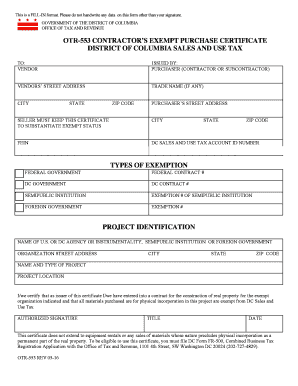
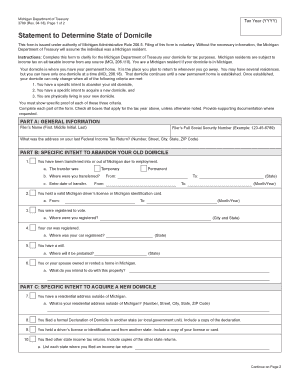

RI W-3 Instructions (2024) Transmittal of Wage and Tax Statements Instructions PDF file, less than 1mbmegabytes RI-W3 (2022) Transmittal of Wage and TaxRead more
May 2, 2017 Do not use these forms to report wages subject to U.S. income tax withholding. Instead, use Form W-2 to show U.S. income tax withheld. TreatmentRead more
A Form W-3 Transmittal is completed only when paper Copy A of. Form(s) W-2, Wage and Tax Statement, is being filed. Do not file Form. W-3 alone. All paper formsRead more


