



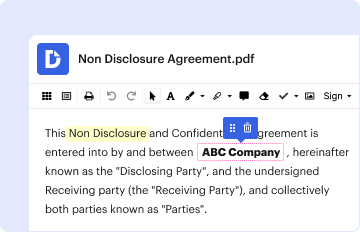
01. Edit your schengen visa application form pdf editable online
Type text, add images, blackout confidential details, add comments, highlights and more.

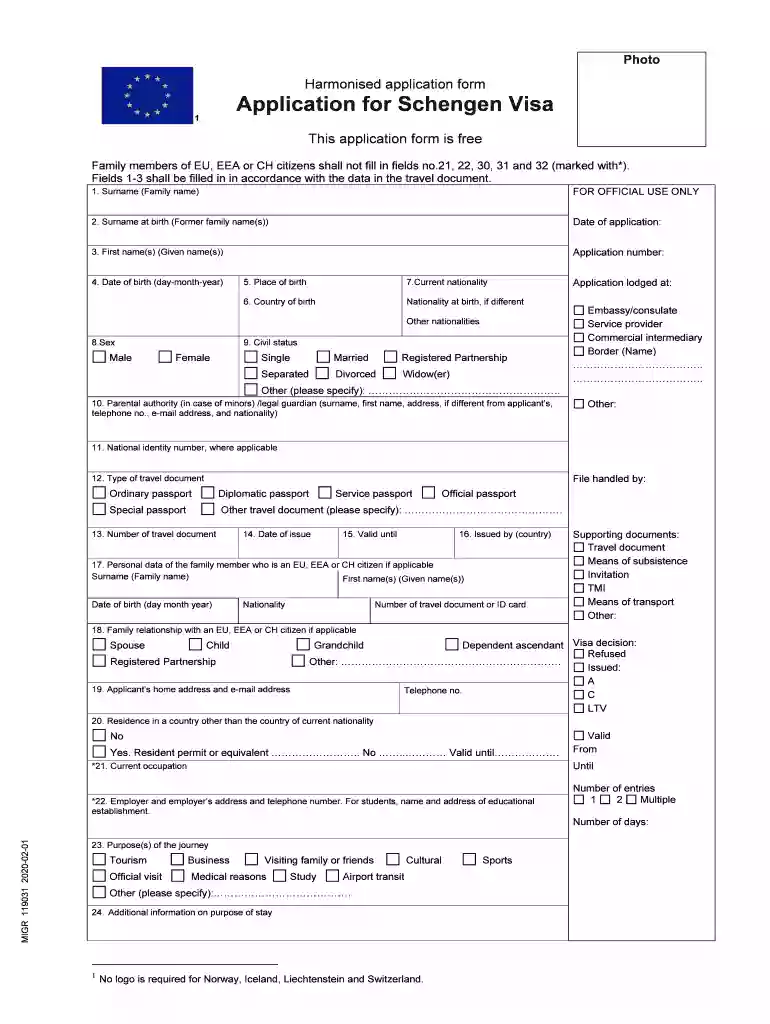
Type text, add images, blackout confidential details, add comments, highlights and more.
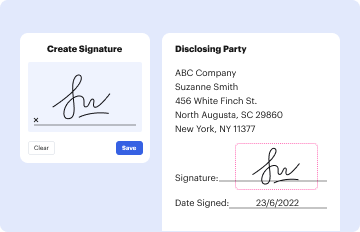
Draw your signature, type it, upload its image, or use your mobile device as a signature pad.
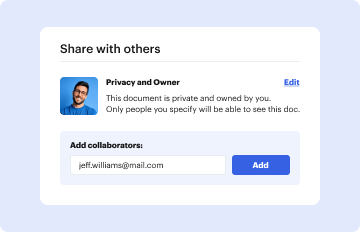
Send schengen visa application via email, link, or fax. You can also download it, export it or print it out.
The application for a Schengen visa is a standardized document used by travelers seeking to enter one or more of the 26 European countries that are part of the Schengen Agreement. This visa allows individuals to stay for up to ninety days within a six-month period for tourism, business, or family visits. The application form captures essential personal information, travel plans, purpose of the journey, and any supporting documentation needed to process the visa.
Understanding the meaning of this application is crucial for ensuring compliance with visa regulations and minimizing the risk of application denial.
Completing the application for a Schengen visa involves several well-defined steps that applicants should follow carefully to ensure success.
Gather Required Documents: Before filling out the application, collect necessary documents. These typically include a passport that is valid for at least three months beyond the intended departure date, two recent passport-sized photographs, travel insurance documentation, and proof of financial means.
Access the Application Form: The Schengen visa application form is available in various formats, including PDF and Word. Applicants should choose an editable version to fill in their details easily. This can be a Schengen visa application form editable PDF or a Schengen visa application form in Word format.
Fill Out the Application: Input personal details like your name, address, and travel itinerary. Provide accurate information to avoid discrepancies that could lead to visa denial. For sections requiring signatures, applicants can utilize electronic signature tools if submitting digitally.
Review and Finalize: Once completed, review the application to ensure all information is correct. Check for missing documents or inconsistencies that need correction.
Submit the Application: Choose your submission method—online through a consulate website, by mail, or in-person at a visa application center. If submitting online, ensure that digital documents are appropriately formatted (e.g., editable Schengen visa application form).
When applying for a Schengen visa, certain documents are mandatory to demonstrate eligibility and intent for travel. The following list outlines the required documents:
These documents prove the purpose, intent, and means of travel, and their accuracy can significantly impact the likelihood of visa approval.
Understanding the key elements of the Schengen visa application form is essential for effective completion. Each section of the form serves a specific purpose, and each element contributes to the overall assessment of the applicant's eligibility.
The personal details section collects the applicant's full name, nationality, residence, and passport details. Accuracy here is vital, as any inconsistencies can result in delays.
This section allows applicants to specify whether their visit is for tourism, business, or family purposes. Providing a detailed explanation increases transparency.
Applicants must indicate the number of days they intend to stay within the Schengen zone. It's essential to align this with travel plans to avoid overstay issues.
The application requires declarations regarding the truthfulness of the information provided and consent concerning data protection. This serves to safeguard the applicant's rights while ensuring compliance with Schengen regulations.
The application process for a Schengen visa can take different amounts of time depending on various factors, including the applicant's nationality and the country of application.
Understanding these nuances ensures that applicants are better prepared and can navigate the application process efficiently.
We've got more versions of the schengen visa application form pdf editable form. Select the right schengen visa application form pdf editable version from the list and start editing it straight away!
At DocHub, your data security is our priority. We follow HIPAA, SOC2, GDPR, and other standards, so you can work on your documents with confidence.




Foreign students in the US on F-1 visas need the following to apply for a Schengen Visa: Valid I-20 Reference letter from your educational institution.Read more
Jan 2, 2025 Surname and first name of the inviting person(s) in the Member State(s). If not applicable, name of hotel(s) or temporary accommodation(s).Read more
You can apply for a Schengen visa through group tours or individual travel, but individual travel visa applications may be rejected, especially for applicantsRead more


