




01. Edit your 1040 form 2023 printable online
Type text, add images, blackout confidential details, add comments, highlights and more.

Type text, add images, blackout confidential details, add comments, highlights and more.

Draw your signature, type it, upload its image, or use your mobile device as a signature pad.

Send 1040 form 2023 via email, link, or fax. You can also download it, export it or print it out.
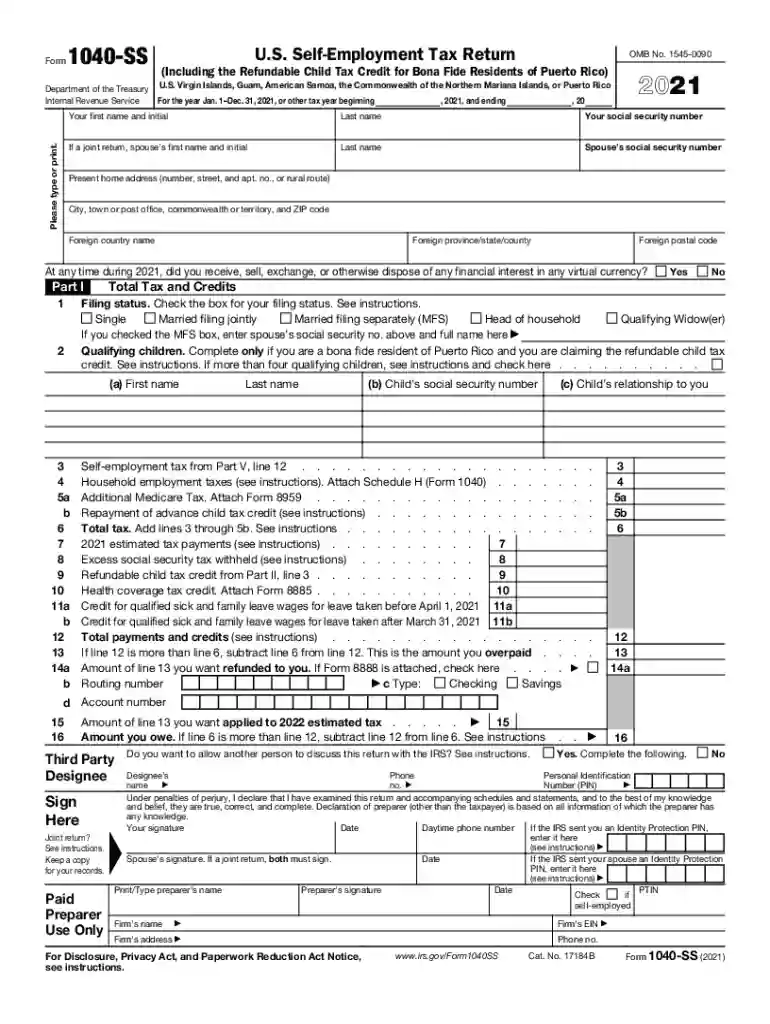
U.S. Tax Form 1040 is the standard federal income tax form used by taxpayers to report their financial information and calculate their tax obligations to the Internal Revenue Service (IRS) annually. This form is integral for capturing a comprehensive overview of an individual's or household’s income, deductions, credits, and liabilities. Tax Form 1040 enables taxpayers to determine the amount of refund owed by the IRS or the amount due in taxes. It is commonly referred to as the "Individual Income Tax Return" and is mandatory for individuals earning above a certain income threshold.
The form consists of several sections, each addressing different types of income, allowable deductions, and credits that can affect a taxpayer's overall liability. Additionally, taxpayers must attach various schedules and supporting documents, depending on the complexity of their tax situation. The accuracy and completeness of the Form 1040 are crucial to ensure compliance with federal tax laws and to avoid any potential penalties or audits.
Completing the U.S. Tax Form 1040 requires attention to detail and an understanding of tax regulations. Follow these step-by-step instructions to complete your Form 1040:
Gather Necessary Documents: Collect all relevant income documents, such as W-2s, 1099s, and other income statements. Additionally, gather documentation for deductions and credits, like mortgage interest, medical expenses, and educational costs.
Provide Personal Information: Start with entering your name, Social Security Number, and filing status. Ensure that all information matches government records to avoid processing delays.
Report Income: Enter all sources of income, including wages, dividends, and business earnings. Each type of income has a designated line on the form, so ensure accuracy in reporting.
Calculate Adjustments to Income: Complete the section related to adjustments, such as educator expenses or contributions to retirement accounts, which reduce taxable income.
Apply Deductions: Choose between the standard deduction and itemized deductions. The choice depends on which one results in a lower taxable income.
Determine Tax Credits: Identify applicable tax credits, such as the Child Tax Credit or the Earned Income Tax Credit, as these directly reduce tax liability.
Compute Total Tax: Calculate the total tax owed using the tax rate schedules or software tools to determine if you owe additional tax or qualify for a refund.
Sign and Submit: Ensure all information is accurate before signing and submitting the form. Consider e-filing for faster processing and potential refund.
Understanding key components is critical when completing the tax form:
Filing Status: Determines the rate at which income is taxed. Options include single, married filing jointly, married filing separately, head of household, and qualifying widow(er) with dependent child.
Exemptions: Previously included in earlier versions of the form, exemptions reduced taxable income but have been eliminated since 2018 under tax law changes.
Deductions and Credits: These elements lower tax liability, either by reducing taxable income (deductions) or directly reducing the tax amount owed (credits).
Schedules and Appendices: Additional documentation that captures detailed information about income sources, business activity, and special tax situations.
Form 1040 is utilized by a wide range of taxpayers within the United States. It’s mandatory for any individual earning more than the IRS-specified minimum income threshold and is also used by those receiving self-employment income, unemployment benefits, and various other income forms. The form is suitable for the following scenarios:
Individual Taxpayers: Generally used for people reporting regular wages and salaries.
Self-Employed Individuals: Those operating as sole proprietors must report earnings and expenses on Schedule C, attached to Form 1040.
Investors and Landlords: Individuals with rental income, dividends, or capital gains.
The IRS issues specific guidelines for completing Form 1040, emphasizing accuracy and compliance to minimize audit risks and ensure correct tax liability computation. Taxpayers must adhere to important filing dates:
April 15: Traditional deadline for filing federal tax returns.
October 15: Extended deadline for those filing for an extension.
It's crucial to adhere to these dates to avoid late fees and penalties, unless special conditions apply (e.g., natural disasters triggering IRS deadline extensions).
Failure to accurately complete and timely file Form 1040 can result in various penalties:
Late Filing Penalty: If taxpayers do not file by the deadline without an extension, they may incur penalties based on the amount of unpaid tax.
Late Payment Penalty: Failure to pay taxes owed by the due date triggers additional charges.
Underpayment Penalty: Applies if estimated payments during the year are insufficient.
These penalties stress the importance of proper tax planning and processing compliance.
Successfully completing Form 1040 hinges on assembling the right documents, including:
Income Statements: W-2s, 1099s for interest, dividends, and other income sources.
Adjustment Documentation: Records of deductible expenses, such as student loan interest.
Proof of Credits: Documentation for applicable tax credits (e.g., education tax credits).
Identification Information: Social Security numbers for taxpayers and dependents.
Organizing these materials in advance facilitates a more efficient filing process and mitigates issues that could arise from incomplete submissions.
Form 1040 can be filed using either digital platforms or traditional paper submissions. The choice between the two depends on personal preference and access to technology:
Digital Filing: E-file using IRS-approved software like TurboTax or H&R Block for quicker processing and acknowledgment.
Paper Filing: Mail completed forms to the IRS, which may take longer to process but is preferred by those uncomfortable with digital platforms.
Both methods require the same level of detail and accuracy and offer paths to amend filings, if necessary.
We've got more versions of the 1040 form 2023 printable form. Select the right 1040 form 2023 printable version from the list and start editing it straight away!
| Versions | Form popularity | Fillable & printable |
|---|---|---|
| 2025 | 4.7 Satisfied (30 Votes) | |
| 2024 | 4.5 Satisfied (30 Votes) | |
| 2023 | 4.1 Satisfied (54 Votes) | |
| 2022 | 4.1 Satisfied (48 Votes) | |
| 2021 | 4.8 Satisfied (110 Votes) | |
| 2020 | 3.9 Satisfied (28 Votes) | |
| 2019 | 4.2 Satisfied (99 Votes) | |
| 2018 | 4.4 Satisfied (131 Votes) | |
| 2017 | 4.1 Satisfied (31 Votes) | |
| 2016 | 4.4 Satisfied (1669 Votes) | |
| 2015 | 4 Satisfied (31 Votes) | |
| 2014 | 4 Satisfied (55 Votes) | |
| 2013 | 4.2 Satisfied (68 Votes) | |
| 2012 | 4 Satisfied (41 Votes) | |
| 2011 | 4.3 Satisfied (65 Votes) |
At DocHub, your data security is our priority. We follow HIPAA, SOC2, GDPR, and other standards, so you can work on your documents with confidence.
Sep 8, 2025 For the year Jan. 1Dec. 31, 2025, Tax on income not effectively connected with a U.S. trade or business from Schedule NEC. Other taxes,
Sep 5, 2025 For the year Jan. 1Dec. 31, 2025, or other tax year beginning. , 2025, ending. , 20. See separate instructions.Read more


