





Definition and Meaning of Statutory Paternity Pay and Leave
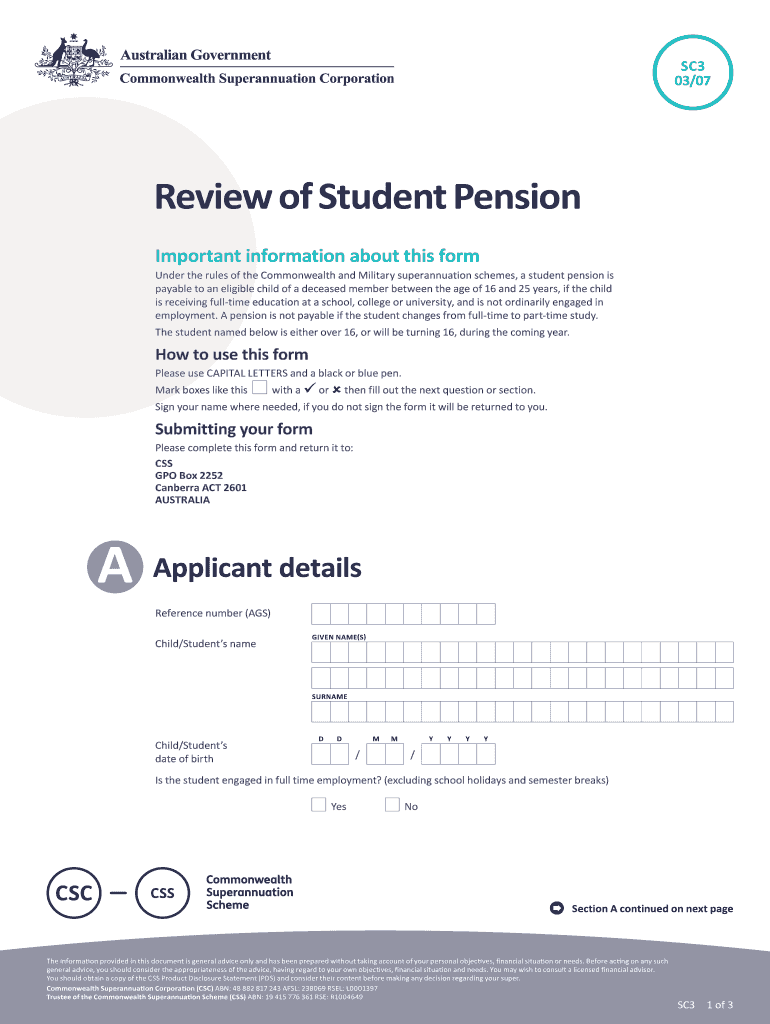
Statutory Paternity Pay and Leave (SC3) provide eligible employees in the United States with time off work to care for their newborns and support the birth parent. This benefit recognizes the importance of bonding time for new parents and aims to offer financial support during this period. The SC3 form is utilized to apply for this leave, allowing birth parents to claim their paternity rights formally. For legal purposes, understanding this benefit highlights the commitment to family welfare and gender equality in parental responsibilities.
Key Elements of Statutory Paternity Pay and Leave
- Eligibility Requirements: Typically, employees must demonstrate a continuous work history with their employer and meet specific earning thresholds to qualify for this benefit.
- Duration and Compensation: Statutory Paternity Leave usually offers one to two weeks of leave, paid at a fixed weekly rate or a percentage of the regular pay, whichever is lower.
- Job Security: Employees are generally entitled to return to the same or equivalent position post-leave, safeguarding their employment status.
Steps to Complete the SC3 Form
Completing the SC3 form involves several essential steps to ensure a successful application for Statutory Paternity Leave and Pay:
- Obtain the Form: Access the SC3 form through the employer or download it from an official government website.
- Fill Personal Details: Include vital information such as your full name, address, and contact details.
- Employer Information: Provide accurate details regarding your employer, including the business's name and contact information.
- Declaration of Eligibility: Confirm your eligibility by providing evidence of your employment history and earnings.
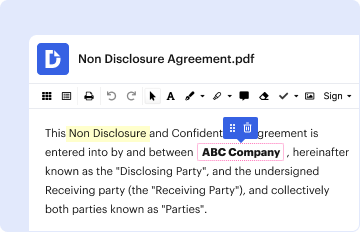
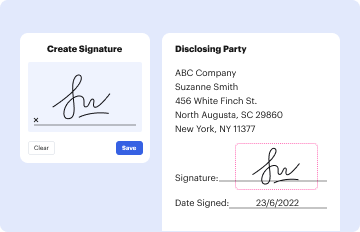
- Signature and Submission: Sign the document and submit it according to the guidelines, either online through the employer's HR portal or via mail, if applicable.
How to Use the SC3 Form
The SC3 form serves as both a request and a declaration tool for employees seeking Statutory Paternity Leave. To use it effectively:
- Consult with HR: Discuss your intention to take leave with Human Resources ahead of your planned start date.
- Timely Submission: File the SC3 form promptly, respecting any employer-specific deadlines required to process your request.
- Coordinated Planning: Coordinate with your managers to plan for your absence, ensuring minimal disruption to your team's workflow.
Practical Example
Consider John, a software developer, planning the birth of his child. He contacts HR, fills out the SC3 form, and submits it four weeks before the expected due date, securing his two weeks of Statutory Paternity Leave effectively.
Eligibility Criteria for SC3
Eligibility for the SC3 often hinges on several conditions:
- Employment Duration: Typically, a minimum employment period with the current employer is required.
- Earnings Threshold: Meeting a specified income level, often tied to national insurance contributions or similar standards.
- Timing: The employee must intend to use the leave within a defined period relative to the child's birth.

Variations
Some employers offer enhanced paternity packages beyond the statutory minimum, providing extended leave periods or improved financial terms.
Legal Considerations of Statutory Paternity Leave
Understanding the legal framework surrounding Statutory Paternity Leave is crucial:
- Compliance with Employment Laws: Employers must adhere to federal and state regulations governing paternity leave.
- Rights Protection: Legal measures guarantee that eligible employees have undisputed rights to claim their entitlements without facing discrimination or job insecurity.
State-Specific Rules and Differences
While the fundamental guidelines for Statutory Paternity Pay and Leave are federally defined, variations exist across states:
- Extended Benefits: Some states may offer additional leave options or financial supplements beyond the national criteria.
- Different Criteria: States may have unique eligibility or filing requirements, affecting how the SC3 form is completed and submitted.
Required Documents for SC3 Submission
Filing the SC3 form mandates the provision of several critical documents:
- Proof of Identity: Valid identification, such as a driver's license or passport.
- Evidence of Employment: Pay stubs or employment contracts verifying eligibility.
- Medical Verification: Often a medical confirmation of the expected birth date may be requested.
Having these documents ready ensures a smooth and efficient submission process, aiding in the rapid processing of your application for the desired leave.
Key Takeaways
- Statutory Paternity Pay and Leave underscores the importance of supporting new parents, with the SC3 form serving as a vital tool for securing these benefits.
- Thorough understanding and compliance with filing procedures and eligibility requirements are essential for leveraging this family-friendly policy effectively.
- Both employers and employees must stay informed of any evolving legalities or state-specific adjustments to maximize the utility of Statutory Paternity Leave provisions.


