







Definition & Meaning
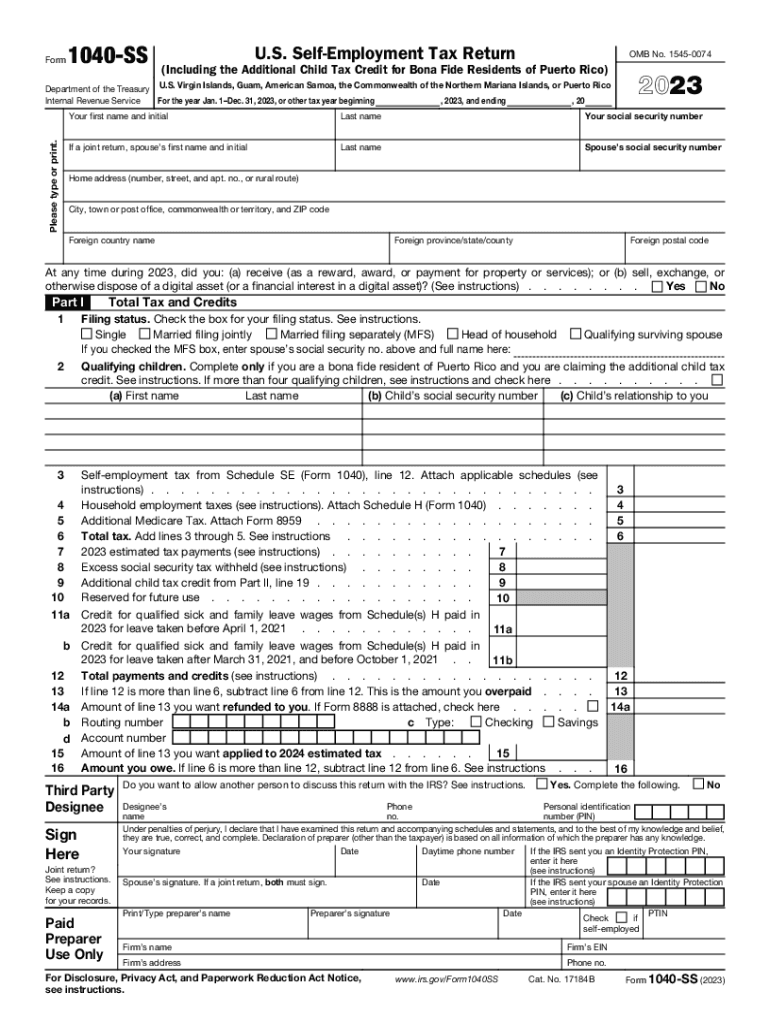
The "IRS Addresses Tax Questions Related to U S Possessions" form is a critical guide that helps taxpayers living in U.S. possessions — such as Puerto Rico and the U.S. Virgin Islands — navigate complex taxation issues. It provides detailed instructions on how tax obligations differ for these regions compared to those within the continental United States. This form addresses questions related to federal tax obligations, filing requirements, and available credits for residents of these territories.
Key Elements:
- Clarification of Tax Obligations: Explains how tax obligations differ for U.S. possession residents.
- Guidance on Credits: Details specific credits available, such as the Additional Child Tax Credit.
- Filing Instructions: Offers step-by-step guidance for completing related tax forms.
- Regional Tax Specifics: Addresses regional differences that impact taxation.
How to Use the IRS Addresses Tax Questions Related to U S Possessions
Utilizing this form effectively requires understanding your specific tax situation and following the IRS guidelines accurately. Here are steps to ensure proper use:
- Identify Your Residency Status: Confirm whether you're considered a resident of a U.S. possession.
- Review the Form 1040-SS: This form is essential for reporting self-employment income if you reside in a U.S. possession like Puerto Rico.
- Understand Tax Credits: Leverage instructions to claim applicable credits, ensuring you don't miss out on potential tax reductions.
- Calculate Taxes Accurately: Follow the provided instructions to calculate taxes correctly based on your income and deductions.
Steps to Complete the IRS Addresses Tax Questions Related to U S Possessions
Completing this form involves several specific steps to ensure all necessary information is accurately reported:
- Gather Required Documents: Collect income statements and any relevant tax documents.
- Fill Out Personal Information: Include accurate details such as your name, address, and Social Security Number.
- Report Income: Clearly outline all sources of income, particularly self-employment earnings.
- Claim Credits: Identify and file for any credits you're eligible for, like the Additional Child Tax Credit.
- Review and Submit: Once complete, double-check all entries for accuracy before submission, either electronically or via mail.
Important Terms Related to the IRS Addresses Tax Questions Related to U S Possessions
Understanding key terms is crucial for accurate form completion. Here are some important ones:
- U.S. Possession: Territories like Puerto Rico, U.S. Virgin Islands, Guam, American Samoa, and the Northern Mariana Islands.
- Self-Employment Tax: Tax on earnings from self-employed income reported on forms like the 1040-SS.
- Additional Child Tax Credit: A credit available to taxpayers with eligible children that can sometimes yield a refund.
IRS Guidelines
IRS guidelines serve as an essential resource for correctly addressing tax questions related to U.S. possessions. These include:
- Regional Tax Eligibility: Guidance on who qualifies based on residency.
- Filing Requirements: Details on when and how to file specific tax returns.
- Income Reporting Standards: Instructions on what income must be reported.
Filing Deadlines / Important Dates
Adherence to filing deadlines is crucial to avoid penalties. Key dates include:
- Annual Tax Filing Deadline: Typically April 15th, but specific deadlines may apply.
- Extension Requests: Information on how and when to file for extensions if needed.
- Quarterly Estimated Payments: For those self-employed, understanding quarterly payment requirements is essential.
Required Documents
To complete this form accurately, the following documents may be needed:
- Income Records: Including W-2 and 1099 forms, or income statements for self-employment.
- Proof of Residency: Such as utility bills or government-issued ID proving residency in a U.S. possession.
- Prior Tax Returns: For comparison and accuracy when determining credits and deductions.
Penalties for Non-Compliance
Failing to comply with IRS guidelines for U.S. possessions can result in penalties:
- Late Filing Penalty: Charged when returns are filed after the deadline without a valid extension.
- Accuracy Penalties: Incurred if significant income is unreported or incorrectly reported.
- Underpayment Penalty: Applies if required taxes are not paid by due dates.
Understanding these sections ensures taxpayers in U.S. possessions manage their tax responsibilities effectively, maximizing credits while minimizing risks of non-compliance.




