Definition and Meaning of Form Online
A form online refers to a digital document that is used for various applications, ranging from tax filings to legal agreements and data collection. It replaces the need for physical paperwork by allowing users to fill out information using digital interfaces. This approach is increasingly favored because it enables easy editing, submission, and storage of documents, catering to individuals and businesses that prioritize efficiency and convenience.
- Digital Format: Forms can be completed using software like DocHub, which supports various file formats ensuring compatibility with existing workflows and different types of documents, such as PDF, DOC, and XLS.
- Versatile Applications: These forms serve multiple purposes, from simple contact information collection to complex tax declarations and legally binding agreements.
- User Accessibility: Users can access and fill forms from any device with internet connectivity, removing geographical constraints and making it easier to complete forms in a timely manner.
How to Use the Form Online
To effectively use an online form, users must follow several key steps which ensure convenience and accuracy in data entry and submission. Platforms like DocHub provide a streamlined process to guide users through these steps.
- Access the Form: Start by accessing the needed form via a computer or mobile device. Utilize platforms like DocHub that integrate with cloud services for easy importation of documents.
- Fill in Information: Use text boxes and other interactive fields to input required data. DocHub simplifies this by allowing users to insert various fields such as text, signatures, and dropdown menus.
- Review and Edit: Ensure all data is accurate. Platforms often allow you to annotate or edit the form before finalizing, assisting in error correction and data completeness.
- Submit or Save: Once satisfied with the inputs, submit the form digitally if required, or save it onto your device or cloud storage for personal records or future review.
Steps to Complete the Form Online
Completing an online form typically involves a systematic approach to ensure all needed details are provided accurately. This enhances both the user experience and the integrity of the data collected.
- Preparation: Gather all necessary information and documentation required for the form.
- Filling Out the Form: Enter the information into the designated fields, taking note of any required fields to avoid submission errors.
- Adding Attachments: If the form requires additional documents, ensure they are uploaded in the correct format.
- Double-Checking Entries: Review all entered data and attachments. Look for any errors or omissions that could lead to re-submissions or processing delays.
- Form Submission: Follow the instructions provided for submission, whether it's through an online portal or via email.
- Confirmation and Receiving: Await confirmation of successful submission and make note of any reference numbers or confirmation emails for your records.
Key Elements of the Form Online
Understanding the core components of an online form aids users in filling them out accurately and efficiently.
- User Interface: A straightforward, user-friendly design that makes navigation easy, especially for less tech-savvy individuals.
- Field Types: Includes text fields, check boxes, dropdown menus, and signature fields that guide users in providing the correct type of data.
- Accessibility Options: Mobile compatibility and integration with cloud services ensure that forms can be accessed, edited, and submitted from anywhere.
- Security Measures: Features such as SSL encryption and OAuth 2.0 ensure that data transmitted and stored digitally remains secure from unauthorized access.
Legal Use of the Form Online
Online forms can carry legally binding implications when carefully implemented and recognized by applicable laws.
- eSign Act Compliance: Forms utilizing electronic signatures conform to legal standards, allowing documents signed online to be as enforceable as paper signed contracts.
- Data Protection Laws: Ensures user information is collected and used in compliance with privacy regulations like GDPR or the CCPA for U.S.-based users.
Digital vs. Paper Version
Comparing digital forms to their paper counterparts highlights several advantages inherent in online options.
- Efficiency: Digital forms reduce the time needed for filling, signing, and submitting, as well as eliminating postal time for submissions.
- Environmental Impact: Reduces the need for paper, contributing to sustainability by cutting down on paper waste.
- Archiving: Storing forms online prevents physical loss or damage, allowing for easier retrieval and management of documents.
Software Compatibility
Ensuring the software compatibility of online forms with widely used applications enhances their utility.
- Integration with Software: Platforms like DocHub allow documents to be accessed or signed using popular software like TurboTax or QuickBooks, making them especially useful for financial documentation.
- Device Independence: Compatible with both desktop and mobile devices, ensuring seamless accessibility.
Real World Examples of Using the Form Online
Real-world scenarios illustrate the practical applications and benefits of using online forms.
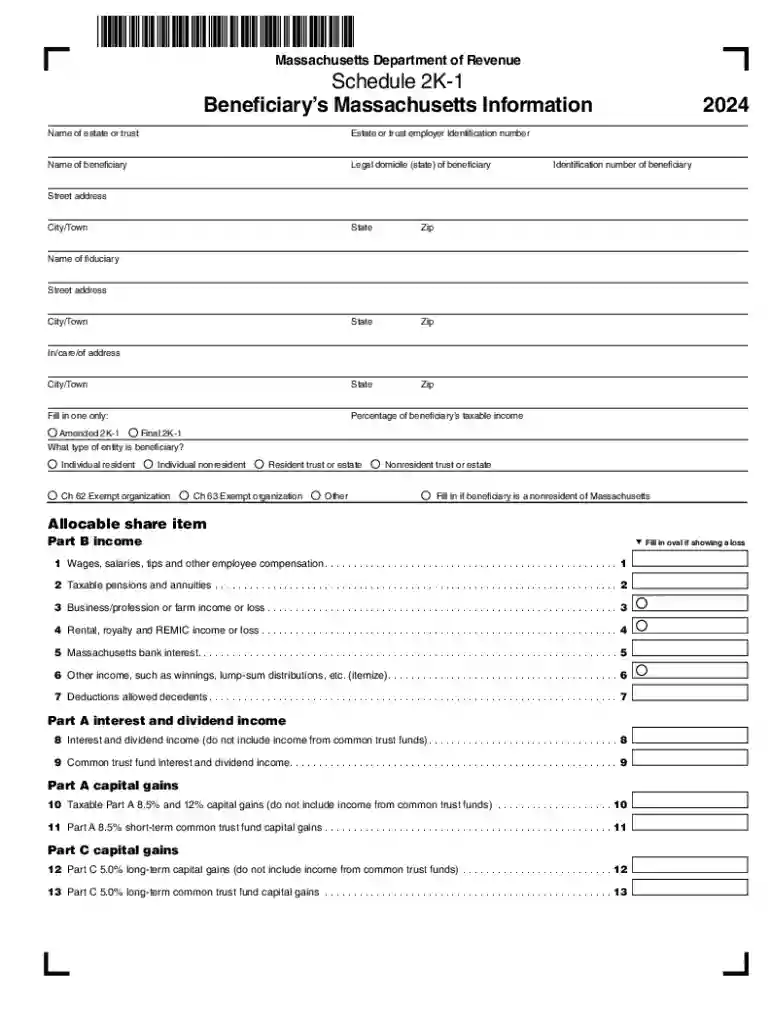
- Tax Filing: Using platforms like DocHub to complete and submit IRS forms electronically streamlines the tax filing process for both individuals and businesses.
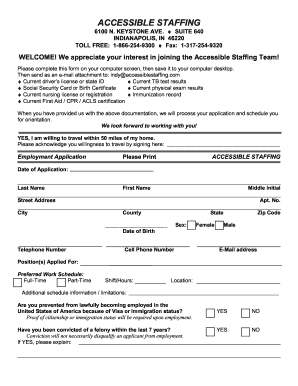
- Employment Applications: Companies utilize digital forms for job candidates to fill out applications and submit resumes efficiently.
- Medical Consents: Patients can fill online consent forms before visiting healthcare facilities, speeding up administrative processes upon arrival.
Penalties for Non-Compliance
Adhering to the rules and timelines associated with online form usage is crucial to avoid potential penalties.
- Late Submissions: Forms related to taxes or regulatory compliance that are not submitted on time can incur fines or legal actions.
- Inaccurate Information: Providing incorrect details can lead to processing delays or penalties, particularly in legal or financial documents.
By understanding and utilizing the capabilities of online forms, users can ensure they benefit from enhanced efficiency, accessibility, and compliance in document management.