




01. Edit your form online
Type text, add images, blackout confidential details, add comments, highlights and more.

Type text, add images, blackout confidential details, add comments, highlights and more.

Draw your signature, type it, upload its image, or use your mobile device as a signature pad.

Send it via email, link, or fax. You can also download it, export it or print it out.
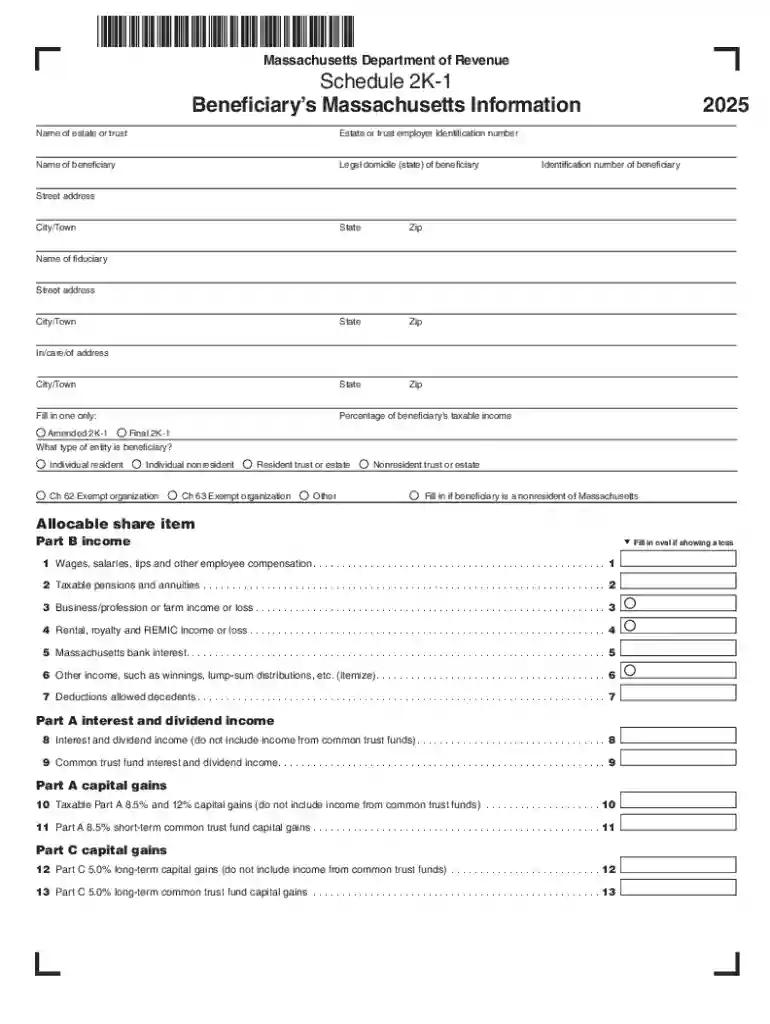
The phrase refers to the process and implications of receiving a Schedule K-1 form, which is typically used for tax reporting in the United States. This document is important for beneficiaries of estates and trusts as it details the income, deductions, and credits passed on to them. The K-1 form is part of the Internal Revenue Service's (IRS) informational returns, emphasizing the transfer of taxable income from estates and partnerships to individual taxpayers.
Beneficiaries utilize the K-1 form to report their share of the estate's income, deductions, and credits on their tax returns. This process involves:
Reviewing the Information: Begin by examining the form for accuracy. Verify details such as the estate's Employer Identification Number (EIN), your personal information, and the recorded income types.
Calculating Tax Liability: Use the details on the K-1 to determine any tax liability. This includes income categories like interest, dividends, and royalties.
Filing with Tax Return: Integrate the K-1 information when filing your individual tax return. This typically requires your tax software or accountant to include schedules such as Schedule E for passive income.
Retaining the Form: It's advisable to keep a copy of the form with your tax records for possible future audits or inquiries.
Completing the K-1 form accurately is crucial for compliance:
Acquire Supporting Documents: Gather documents to cross-reference the figures on your K-1, such as estate statements or previous tax returns.
Understand the Components: Familiarize yourself with sections like ordinary dividends, qualified dividends, and other income.
Fill in Personal Details: Confirm that your personal details are correct, as inaccuracies could lead to tax return errors.
Summarize Total Income and Deductions: Accurately aggregate the figures from each section to an overall total for incorporation into your tax return.
Submit the K-1 with Tax Return: Ensure your tax return reflects these details before submission.
K-1 forms are primarily used by:


The IRS provides specific instructions for reporting the income and deductions detailed in the K-1. Important guidelines include:
Incorrect or late filing of K-1 forms can result in:
Modern tax software supports K-1 integration, with platforms like TurboTax and QuickBooks offering specific modules for inputting the intricate data from forms like these. These tools assist users in ensuring all computations comply with federal tax laws and can simplify the process of filing complex returns.
We've got more versions of the Hello I am a beneficiary of an estate and I received a K1 The form. Select the right Hello I am a beneficiary of an estate and I received a K1 The version from the list and start editing it straight away!
At DocHub, your data security is our priority. We follow HIPAA, SOC2, GDPR, and other standards, so you can work on your documents with confidence.
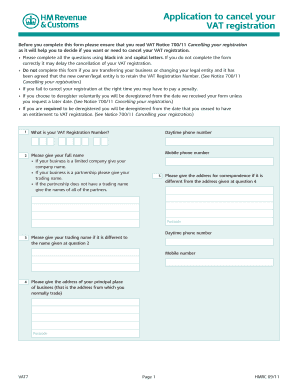

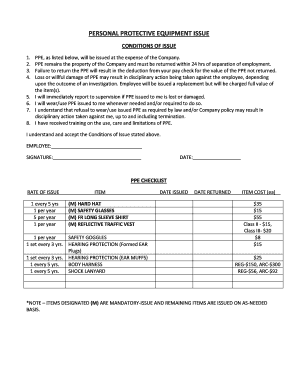

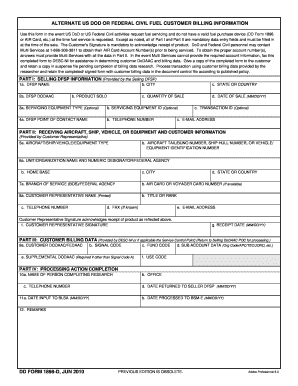


Sep 12, 2025 Purpose: IRM 3.0.101 provides written instructions about the processing of Schedules K-1 through the Service Center Recognition/ImageRead more
Feb 6, 2026 In this lecture, Prof. Jon Gruber talks about taxes on wealth, including the estate tax and the gift tax. Tap to unmuteRead more


