




01. Edit your w2 form online
Type text, add images, blackout confidential details, add comments, highlights and more.

Type text, add images, blackout confidential details, add comments, highlights and more.

Draw your signature, type it, upload its image, or use your mobile device as a signature pad.

Send w2 form printable via email, link, or fax. You can also download it, export it or print it out.
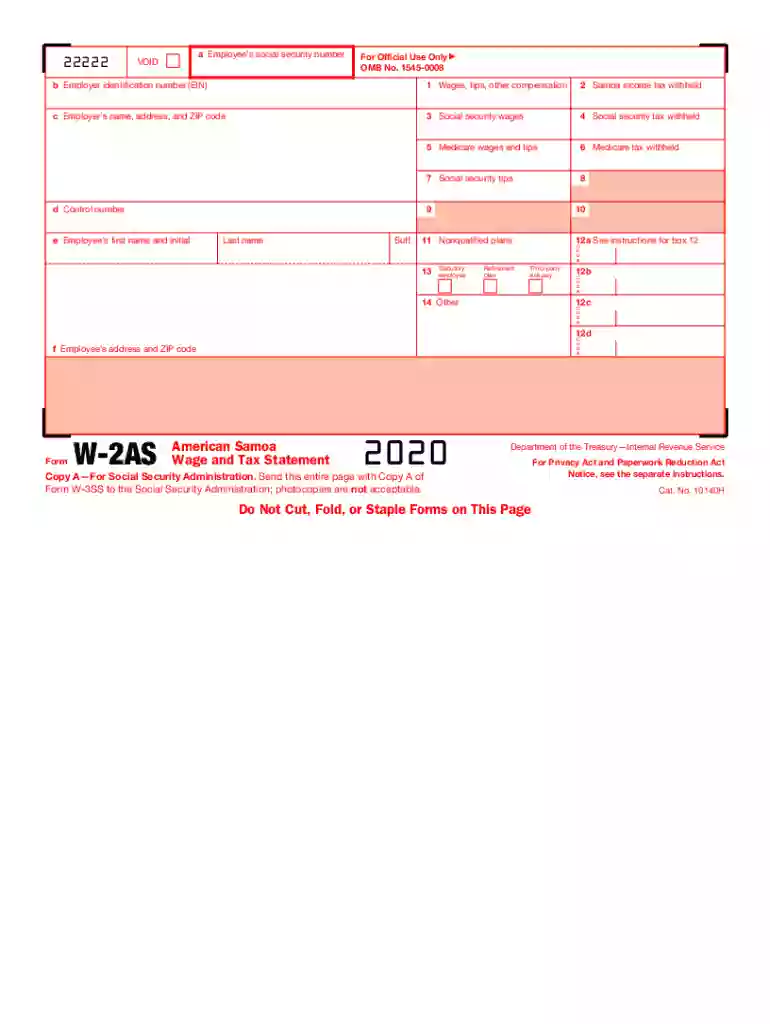
The W-2 form, officially known as the "Wage and Tax Statement," is a critical document used in the United States for federal tax reporting. It reflects the wages paid to an employee by an employer and the taxes withheld throughout the tax year. This form is vital in assisting employees with their income tax return preparation, ensuring that all earned income and tax withholdings are accurately reported to the Internal Revenue Service (IRS). The W-2 form must be issued to employees by their employer at the end of each tax year.
Employees typically receive their W-2 forms from their employers. By law, employers must furnish these forms to their employees by January 31 following the end of the tax year. Employees who have not received their W-2 form by mid-February should contact their employer. Alternatively, they can reach out to the IRS for assistance in obtaining the form.
Completing a W-2 form is primarily the responsibility of the employer. However, understanding its components is crucial for employees when filing their personal tax returns.
A thorough understanding of the W-2 form helps employees and employers comply with tax requirements. For employees, accurate reporting of income ensures proper tax calculation and minimizes errors on tax returns. Employers benefit by meeting federal and state tax obligations, reducing the risk of penalties.
The IRS provides detailed guidelines on how employers and employees should handle W-2 forms. Compliance is crucial to avoid penalties, both for incorrect filing and neglecting deadlines.
Understanding filing deadlines is crucial in the tax preparation process to prevent penalties and interest for late submission.
Failing to comply with deadlines and accuracy requirements for W-2 forms can result in significant penalties from the IRS for both employers and employees.
The transition from paper to digital filing has become prevalent, offering both employers and employees various options for managing W-2 forms.
Integrating W-2 form management with popular tax preparation software such as TurboTax and QuickBooks has streamlined the filing process for many businesses and individuals.
We've got more versions of the w2 form form. Select the right w2 form version from the list and start editing it straight away!
| Versions | Form popularity | Fillable & printable |
|---|---|---|
| 2025 | 4.6 Satisfied (31 Votes) | |
| 2024 | 4.2 Satisfied (56 Votes) | |
| 2023 | 4.2 Satisfied (60 Votes) | |
| 2022 | 4.2 Satisfied (52 Votes) | |
| 2021 | 4.8 Satisfied (47 Votes) | |
| 2020 | 4.1 Satisfied (77 Votes) | |
| 2019 | 4.4 Satisfied (116 Votes) | |
| 2018 | 4.3 Satisfied (70 Votes) | |
| 2017 | 4.3 Satisfied (210 Votes) | |
| 2016 | 4.4 Satisfied (420 Votes) | |
| 2015 | 4 Satisfied (20 Votes) | |
| 2014 | 4.2 Satisfied (41 Votes) | |
| 2013 | 4 Satisfied (42 Votes) | |
| 2012 | 4.2 Satisfied (43 Votes) | |
| 2011 | 4.4 Satisfied (25 Votes) |
Log in to your DocHub account and add your w2 form to our editor using one of its upload options - from your device, cloud storage, protected URL, or your DocHub folders if you have already processed your form before. Open our editor, click the Sign button in the upper toolbar, and choose your signing method. You can upload a picture of your handwritten signature, draw it, enter your name, or use a QR code instead.
You can easily edit and complete your w2 form on any iOS gadget. Open an internet browser of your choice, go to the DocHub site, authorize or create a new account, upload your file for editing, and make your required adjustments. Our service is mobile-friendly, so using its features on your phone will be a no-brainer, even on the first try.
At DocHub, your data security is our priority. We follow HIPAA, SOC2, GDPR, and other standards, so you can work on your documents with confidence.
Important information on employment tax withholding obligations and Form W-2 filing obligations of federal employers with employees who work in theRead more
Dec 29, 2017 The reimbursement isnt reported on your. Form W-2. Generally, if your expenses equal your reimbursement, you have no deduction. If yourRead more


