







Definition & Meaning
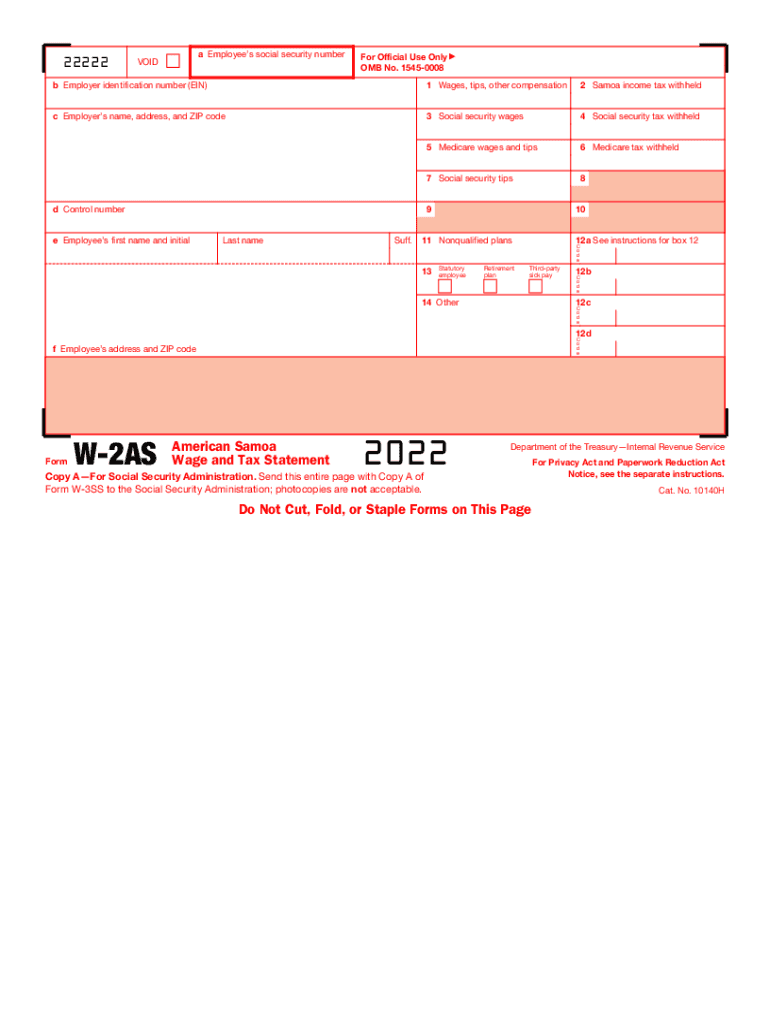
Forms W-2 and W-3 are fundamental elements of annual tax reporting for employers in the United States. Form W-2, the Wage and Tax Statement, reports an employee's annual wages and the amount of taxes withheld from their paycheck. Form W-3, Transmittal of Wage and Tax Statements, is a summary of all W-2 forms prepared by the employer. Together, these forms ensure compliance with IRS regulations and assist employees in filing their tax returns accurately.
How to Use the Instructions for Forms W-2 and W-3
Utilizing the instructions effectively involves understanding each section to accurately complete and file Forms W-2 and W-3. The instructions provide guidance on reporting employee wages, withholding taxes, and depositing taxes. They illustrate field-by-field details such as how to complete boxes for wages, tips, and different withholding types. Correct use prevents common errors such as mismatched names or Social Security numbers, ensuring proper tax reporting and compliance.
Steps to Complete Forms W-2 and W-3
-
Gather Employee Information: Collect data like Social Security numbers and current addresses.
-
Calculate Earnings: Detail all taxable earnings, including bonuses and commissions.
-
Determine Withholdings: Accurately calculate federal, state, and local tax withholdings.
-
Complete Form W-2: Fill each necessary box with wage, tax, and benefit information.
-
Prepare Form W-3: Summarize data from all W-2 forms you are submitting.
-
Submit to the SSA: File electronically or by mail by the set deadlines.
-
Distribute Forms to Employees: Ensure employees receive W-2 copies for filing their tax returns.
IRS Guidelines
The IRS requires all employers to file Forms W-2 and W-3 to report employee wages and withholding. Employers must adhere to the latest instructions to include any legislative changes affecting tax reporting, such as updates resulting from the American Rescue Plan Act or new Social Security wage bases. IRS guidelines stress the importance of timely and accurate submissions to avoid penalties.
Filing Deadlines / Important Dates
Forms W-2 and W-3 must be filed with the Social Security Administration and provided to employees by January 31 of each year. For electronic filing, which is required for businesses with 250 or more W-2 forms, submission is also due by this date. Prompt filing is crucial to ensuring tax compliance and avoiding fines or legal repercussions.
Required Documents
Employers need various documents to complete Forms W-2 and W-3 accurately:
- Employee's Social Security numbers
- Wage and tax withholding statements
- Records of fringe benefits, like health insurance or dependent care assistance
- Prior year tax forms for comparison and verification
Thorough documentation ensures all necessary data is captured for accurate filing.
Penalties for Non-Compliance
Failure to file Forms W-2 and W-3 on time, or providing incorrect information, can result in significant fines. Penalties increase the longer the delay, ranging from $50 to $270 per form, depending on the filing timeline. Incorrect or late distribution of W-2 forms to employees can also incur fines, stressing the importance of accuracy and timeliness.
Software Compatibility
To facilitate the filing process, employers commonly use tax software such as TurboTax or QuickBooks. These platforms assist in calculating wages, withholding taxes, and electronically filing documents. Compatibility with such systems simplifies the reporting process, minimizing errors and streamlining submission workflow.
Business Entity Types Using Forms W-2 and W-3
All business entities with employees, including C-Corporations, S-Corporations, LLCs, and partnerships, are required to file Forms W-2 and W-3. This requirement ensures accurate tax withholding and reporting for all employed individuals, maintaining compliance across various business structures.




