
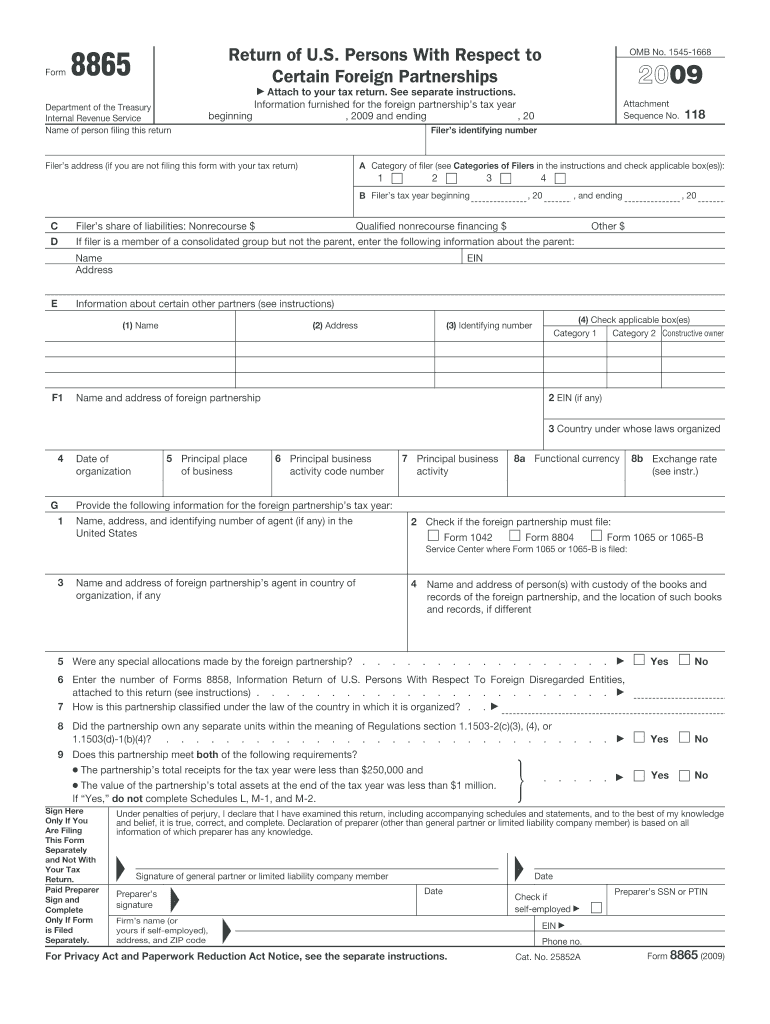







Definition & Meaning
The "web2doc 2009 form" is a specialized document used primarily for digital transactions and submissions. Designed to streamline the exchange of information between different digital platforms, this form acts as a conversion tool, assisting with the transformation of digital inquiries into structured documents. The primary purpose of the form is to effectively capture data and facilitate seamless communication between systems, ensuring accuracy and compliance. It plays a critical role in environments that manage large volumes of digital data transfers, particularly those involving legal, tax, or institutional document processing.
Steps to Complete the Web2doc 2009 Form
Completing the web2doc 2009 form involves several key steps to ensure accuracy and compliance:
-
Gather Required Information: Before starting, collect all necessary personal and business data that will be required to fill out the form accurately.
-
Access the Form: Obtain the form through the designated digital platform or portal where it resides, ensuring you have the correct version for your specific needs.
-
Fill Out the Form: Enter information carefully, adhering to guidelines provided within the form. Use the form fields designated for specific data types (e.g., numerical, text).
-
Review and Verify Information: Double-check all entries for accuracy, completeness, and adherence to specified formats.
-
Submit the Form: Once completed, submit the form electronically through the applicable submission method provided by the relevant platform or organization.
Key Elements of the Web2doc 2009 Form
The form is structured to ensure clear data capture and processing. Important elements typically include:
- Input Fields: Sections for various data types including text entries, numerical data, checkboxes, and dropdown menus.
- Instructions: Detailed guidance on how each section should be filled out to maintain consistency and accuracy.
- Validation Checks: Built-in checks to ensure data integrity, such as format requirements and mandatory field indicators.
- Export Options: Capability to compile and export data into different formats for use or submission in other systems.
How to Obtain the Web2doc 2009 Form
To obtain the web2doc 2009 form, users can typically navigate to a specific portal or digital platform where the form is hosted. Access might be granted through an organization's website or a dedicated form management system. Registrants must often have an account or specific credentials to download or access the form. Additionally, users can reach out to a platform's customer support for guidance on accessing and commencing with the form.
Who Typically Uses the Web2doc 2009 Form
The form is regularly used by a variety of individuals and entities, including:
- Businesses: Both small and large enterprises use it to manage structured data exchanges.
- Tax Professionals: For converting and processing tax-related digital documents.
- Legal Entities: Law firms and agencies use the form for transcribing digital exchanges into tangible documents for records.
- Educational Institutions: Universities manage digital applications and submissions with such forms to streamline admissions processes.

Legal Use of the Web2doc 2009 Form
Legal compliance is a strong consideration for this form, ensuring it aligns with regulatory requirements:
- Data Protection: The form respects data privacy regulations, like GDPR, ensuring collected data is handled responsibly.
- Record Keeping: Documents compiled from the form must be maintained following industry-specific legal requirements.
- Audit Trails: Its utilization typically provides an audit trail for transparency and accountability in digital transactions.
Digital vs. Paper Version
The form primarily serves a digital function, benefiting users with:
- Efficiency: Quick data entry and submission processes vastly outliving paper analogues.
- Ecosystem Integration: Immediate integration into digital workflows and databases with minimal manual interference.
- Sustainability: Reduction in physical paper usage supports environmental responsibility.
However, paper versions may be necessitated for certain legal settings where tangible documentation is essential.
State-by-State Differences
Although the form's structure is largely universal across states, specific procedural compliance can vary:
- Compliance Standards: Individual states might adopt differing compliance standards affecting how the form is processed.
- Submission Protocols: Differences may exist in how submissions are made, e.g., states mandating electronic over physical submissions.
- Document Handling Procedures: Variations might occur in document retention and audit requirements based on state-specific regulations.
Understanding state distinctions ensures adherence to local requirements while using the form effectively.




