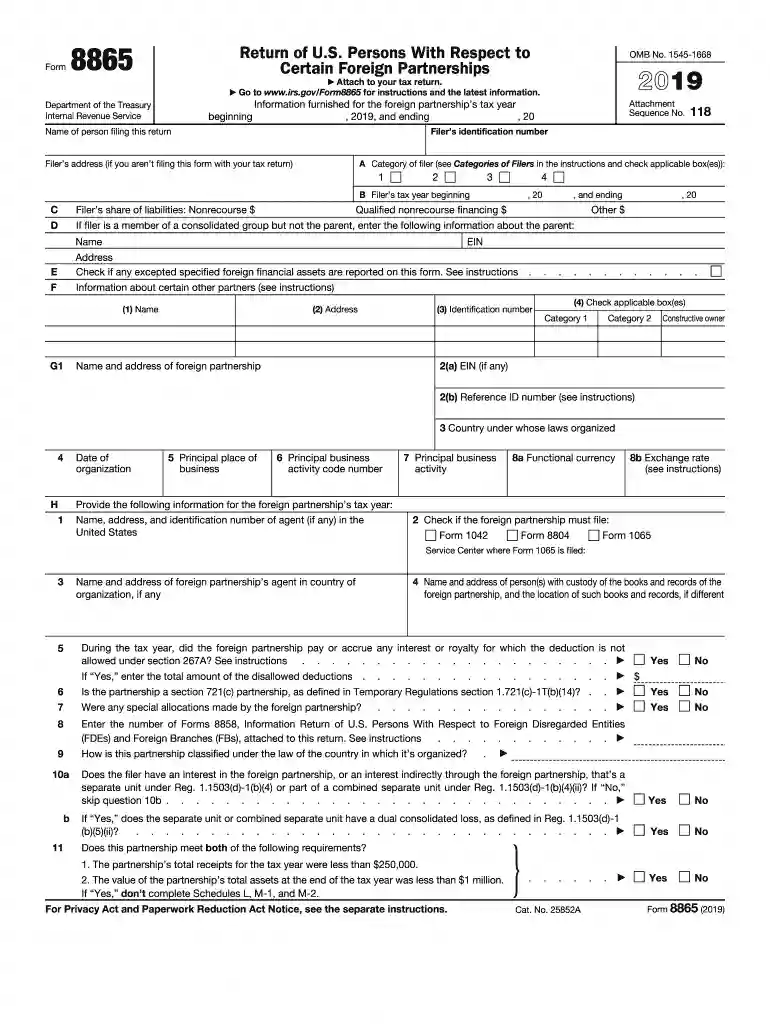
Definition & Purpose of IRS Gov Tax Forms
IRS government tax forms are official documents used by taxpayers in the United States to report income, expenses, and other pertinent details to the Internal Revenue Service (IRS). These forms serve as the foundation for calculating and filing taxes, ensuring compliance with federal tax laws. Each form is designed for specific tax situations, such as individual income, business earnings, or partnership interests. Understanding the purpose and requirements of each form is crucial for accurate tax reporting.
Key Elements of IRS Gov Tax Forms
- Identification Information: Includes taxpayer names, Social Security numbers, or Employer Identification Numbers.
- Income Details: Comprehensive schedules to report different types of income, such as wages, interest, dividends, and self-employment income.
- Deductions and Credits: Sections for listing deductions that reduce taxable income and credits that reduce the tax liability.
- Tax Computation: Instructions and worksheets to calculate the amount of tax owed or the refund due.
- Signatures: Mandatory taxpayer and, if applicable, spouse signatures affirming the accuracy of the information provided.
How to Obtain IRS Gov Tax Forms
IRS tax forms can be obtained through several convenient methods:
- Online: Visit the IRS website to download or fill out forms electronically. This method provides access to instructions and the latest form versions.
- Local IRS Office: Physical copies can be picked up at local IRS offices, often equipped with personnel to assist with basic inquiries.
- Mail: Request physical copies by calling the IRS forms request line and providing the necessary mailing address.
- Library: Some public libraries offer copies of common tax forms during the tax season.
Steps to Complete IRS Gov Tax Forms
- Gather Required Information: Collect all necessary documents, such as W-2s, 1099s, and records of deductible expenses.
- Choose the Correct Form: Identify which specific IRS form matches your tax situation. Common forms include Form 1040 for individual income and Form 1099 for miscellaneous incomes.
- Fill Out the Form: Complete each relevant section meticulously, ensuring consistency and accuracy with your financial records.
- Review & Verify: Double-check for mathematical accuracy and compliance with IRS instructions.
- Sign & Submit: Sign the form and submit it via the chosen method — online, mail, or in person — before the deadline.
Who Typically Uses IRS Gov Tax Forms
- Individuals: Those earning income within the U.S. need to file personal income tax returns, primarily using Form 1040.
- Businesses: Various forms are utilized depending on the business structure — Form 1120 for corporations, Form 1065 for partnerships.
- Self-Employed: Individuals earning income from self-employment often use Schedule C and related forms to report their finances.
- Non-Profit Organizations: Use Form 990 to report financial details and maintain compliance with tax-exempt status requirements.
Business Entity Types and Corresponding Tax Forms
- Sole Proprietorship: Typically files using Schedule C as part of the individual tax return (Form 1040).
- Partnership: Files Form 1065 to report income and deductions and issue K-1 forms to partners.
- Corporation: Uses Form 1120 for corporate tax filings.
- S Corporation: Files Form 1120S to pass income and deductions through to shareholders.
Important Terms Related to IRS Gov Tax Forms
- Adjusted Gross Income (AGI): Income after specific adjustments, crucial for determining tax obligations and eligibility for credits.
- Filing Status: Classification that impacts tax rates and filing requirements, including single, married, or head of household.
- Exemptions: Deductions for taxpayers and dependents, impacting taxable income amount.
- Schedule: Additional forms detailing specific types of income, deductions, or credits.
- Tax Credit: Direct reduction of tax liability; often more beneficial than a deduction of the same amount.
Penalties for Non-Compliance with IRS Gov Tax Forms
Failure to comply with IRS tax form requirements can result in penalties, including:
- Failure-to-File Penalty: Levied against individuals who do not file by the deadline, typically at 5% of unpaid taxes per month.
- Failure-to-Pay Penalty: Applied when taxes are not paid by the deadline, up to 25% of unpaid taxes.
- Accuracy-Related Penalties: Imposed for substantial underpayment due to negligence or disregard of rules, usually 20% of underpayment.
- Fraud Penalty: Severe consequences for fraudulent intent, with penalties up to 75% of underpaid taxes.
Filing Deadlines and Important Dates
- April 15: The standard deadline for filing individual tax returns (Form 1040).
- March 15: Filing deadline for corporate tax returns (Form 1120) and partnerships (Form 1065).
- Extensions: Form 4868 allows individuals to request a six-month extension; businesses can file Form 7004 for an automatic extension.
Software Compatibility and Digital Filing Options
Digital solutions streamline filing and promote accuracy:
- TurboTax and QuickBooks: Widely used for preparing and filing individual and business taxes; compatible with IRS e-filing systems.
- IRS Free File: Offers free tax preparation software for eligible taxpayers with simple returns.
- E-file: Available for most forms via IRS-authorized providers, providing a fast, secure, and often faster refund process.
Using IRS tax forms correctly ensures compliance, reduces risk of audits, and optimizes your financial outcomes through proper deductions and credits.