






Definition and Purpose of the 2017 Form 1040
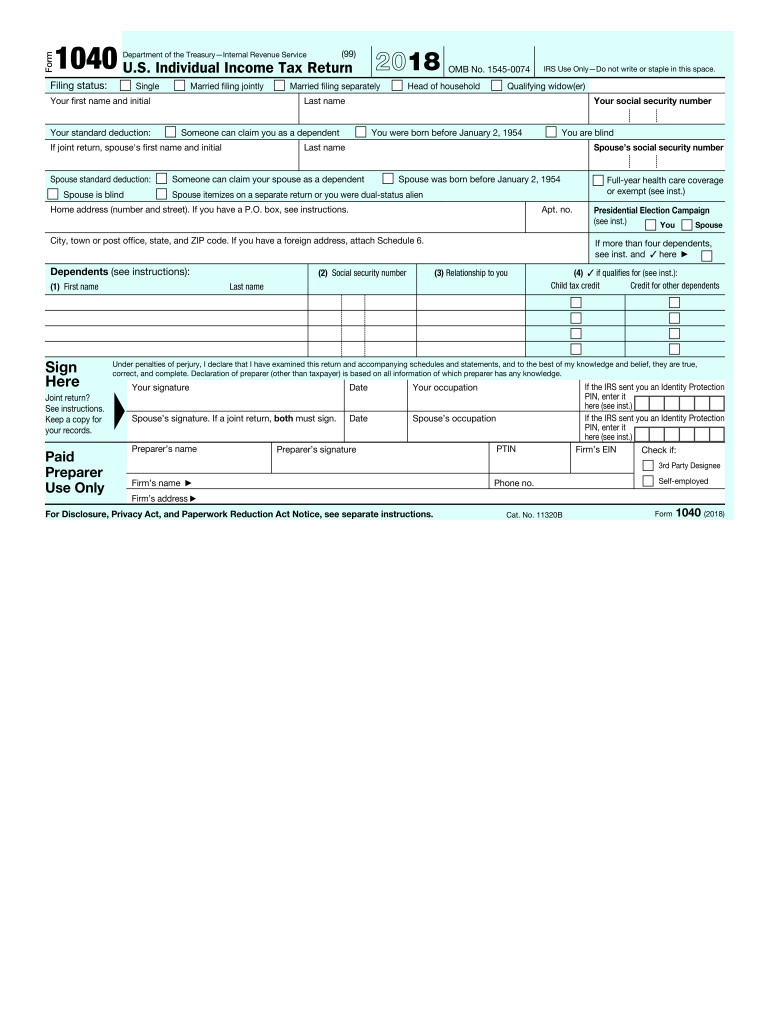
The 2017 Form 1040 is a key document used by individuals in the United States to report their income and file their federal tax returns. This form serves as the principal document for U.S. taxpayers to declare their income, claim tax deductions and credits, and calculate their tax liabilities or refunds. The information provided on this form is vital for the Internal Revenue Service (IRS) to assess each taxpayer's financial obligations.
How to Use the 2017 Form 1040
When using the 2017 Form 1040, taxpayers must:
- Gather relevant financial documents, such as W-2s, 1099s, and records of other income sources.
- Follow the instructions provided by the IRS for each section of the form.
- Accurately report income, including wages, dividends, interest, and capital gains.
- Identify and calculate eligible deductions and credits to reduce taxable income.
- Ensure all personal information, such as filing status and dependents, is correctly filled out.
Key Sections of the Form
- Personal Information: Include details like name, Social Security number, and filing status.
- Income and Deductions: Declare all sources of income and applicable deductions.
- Tax and Credits: Compute owed taxes and apply relevant credits.
- Payments and Refunds: Report any prepayments and calculate potential refunds.
Steps to Complete the 2017 Form 1040
Completing the 2017 Form 1040 involves several critical steps:
- Initial preparation: Gather all necessary financial documents and review instructions.
- Enter Personal Details: Ensure accuracy in personal information and filing status.
- Calculate Income: Sum up all forms of income, including employment, investments, and other relevant sources.
- Determine Deductions and Credits: Identify eligible deductions to lower taxable income and apply any tax credits.
- Final Review: Double-check all entries for accuracy and completeness.
- Submit the Form: Choose an appropriate method for submission—either electronically through IRS e-file systems or by mailing a paper version of the completed form.
Filing Deadlines and Important Dates
Timely submissions of tax returns are crucial to avoid penalties. For the 2017 Form 1040:
- Filing Deadline: Typically April 15 of the following year unless it falls on a weekend or holiday, in which case it is extended.
- Extension Requests: Taxpayers unable to file by the deadline may file Form 4868 for an automatic six-month extension.
Required Documents for the 2017 Form 1040
A complete and accurate tax return relies on comprehensive documentation. Required documents include:
- W-2 Forms: Employer reports of wages and taxes withheld.
- 1099 Forms: Reports of additional income not covered by W-2 forms.
- Documents for Deductions: Evidence of deductible expenses, such as receipts and financial statements.
- Previous Tax Returns: For reference and consistency in reporting.
Who Issues the 2017 Form 1040
The IRS is responsible for issuing the 2017 Form 1040. Taxpayers can obtain the form via:
- IRS Website: Downloadable as a PDF.
- Local IRS Offices: Available in paper format.
- Tax Preparation Software: Integrated within applications like TurboTax or H&R Block.
Penalties for Non-Compliance
Failure to file or pay taxes using the 2017 Form 1040 can result in:
- Late Filing Penalties: A percentage of the tax not paid on time.
- Late Payment Fees: Accrued interest on unpaid taxes until the liability is settled.
- Potential Legal Action: In severe cases, legal proceedings for tax evasion.
Variants and Alternatives to the 2017 Form 1040
Different variants cater to specific taxpayer needs:
- Form 1040A: A shorter form for individuals with simple tax situations.
- Form 1040EZ: Designated for taxpayers without dependents and limited deductions.
- Schedules: Additional forms for more complex tax situations, such as those involving business profits or investment income.
In summary, the 2017 Form 1040 is a comprehensive tool for U.S. taxpayers to report income and fulfill federal tax obligations, with various resources available to accommodate diverse taxpayer scenarios.