
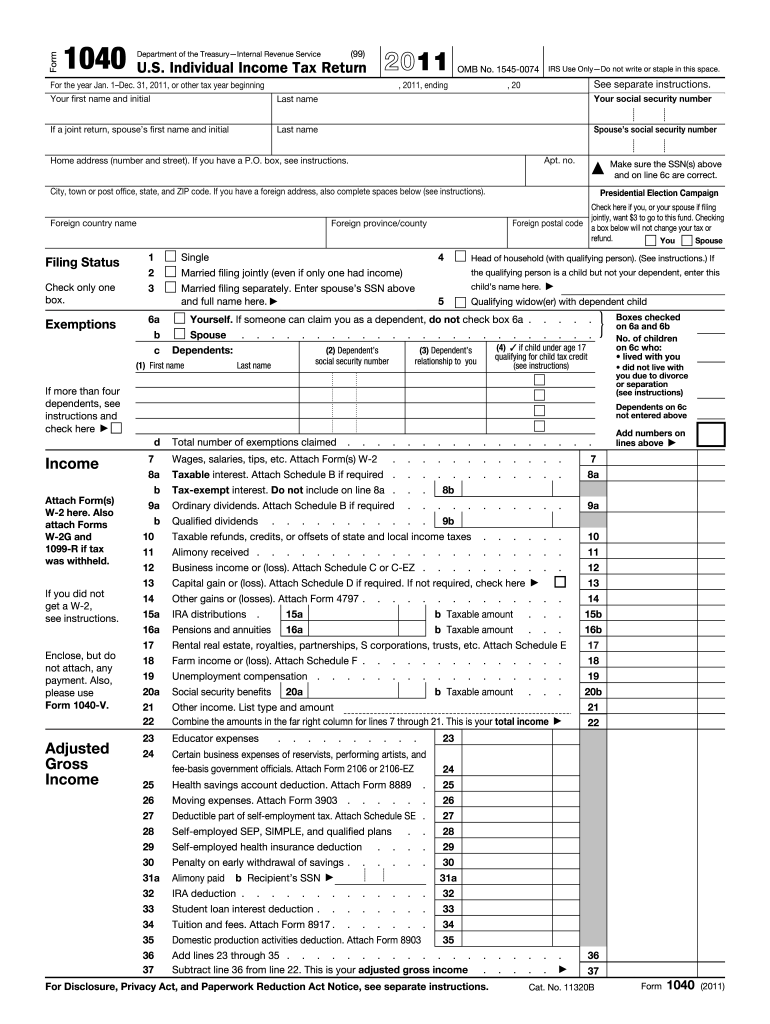







Definition and Purpose of Income Tax Forms
Income tax forms, like the U.S. Individual Income Tax Return Form 1040, serve as the primary tool for taxpayers to report their annual income to the Internal Revenue Service (IRS). These forms allow individuals and entities to declare their income, claim deductions and credits, and calculate their tax liability for the year. Completing these forms accurately is essential, as they directly impact the amount of tax owed or refund received. Understanding these forms ensures compliance with federal tax laws and optimizes personal or business finances.
How to Use Income Tax Forms
Using income tax forms requires a methodical approach to avoid errors and ensure all necessary information is reported. Each form section has specific fields that gather details about personal information, filing status, sources of income, and potential deductions or credits. To complete the form accurately:
- Read the instructions accompanying Form 1040 to understand the requirements.
- Enter personal details, including your full name, address, and Social Security Number.
- Select your filing status, such as single, married filing jointly, or head of household.
- Report all sources of income, including wages, dividends, and self-employment earnings.
- Claim any applicable deductions or credits to reduce your taxable income.
- Calculate your total tax liability and any payment due or refund expected.
Carefully reviewing each section and its instructions helps to avoid common errors and ensure compliance with tax regulations.
Steps to Complete Income Tax Forms
Filling out income tax forms can be simplified by following a systematic process. Here's a step-by-step guide to completing Form 1040:
- Gather Required Documents: Collect W-2s, 1099 forms, receipts for deductions, and any relevant financial statements.
- Personal Information: Enter your name, address, and Social Security Number.
- Select Filing Status: Choose from options such as single, married filing jointly, or head of household to determine your tax rates.
- Report Income: List all income sources including wages, dividends, and any other earnings.
- Calculate Adjustments: Determine adjustments to income that may reduce taxable income, like student loan interest.
- Deductions and Credits: Apply any eligible deductions and credits to lower your overall tax liability.
- Determine Tax: Use the IRS tax tables to calculate the amount of tax owed based on your taxable income.
- Finalize and Submit: Complete the form, verify its accuracy, and submit it through your chosen method.
Key Elements of Income Tax Forms
Each section of the income tax form encompasses various components vital to capturing essential tax-related information:
- Personal Information: Captures your identity details for the IRS records.
- Filing Status: Determines applicable tax rates and potential benefits.
- Income Sources: Accounts for all money earned, affecting taxable income.
- Deductions/Credits: Helps in minimizing the tax payable through allowable subtractions.
- Tax Liability Calculation: Provides a summary of total taxes, payments made, and amounts owed or refundable.
Required Documents for Filling Out Income Tax Forms
Several documents are integral when completing income tax forms:
- W-2 Forms: Details wages and taxes withheld.
- 1099 Series: Reports other income sources like interest, dividends, and independent contractor earnings.
- Receipts for Deductions: Validates claims for deductions such as medical expenses and charitable contributions.
- Previous Year's Tax Return: Serves as a reference for carryovers and consistency checks.
Accurate records and receipts support the correctness of the tax form and aid in faster processing.
Filing Deadlines and Important Dates
Income tax forms must be submitted to the IRS by the standard filing deadline, typically April 15th each year. If the date falls on a weekend or holiday, the deadline may be extended to the next business day. Late submissions could result in penalties. Considering these crucial dates enhances timely filing and prevents unnecessary additional costs.
Digital vs. Paper Version of Income Tax Forms
Taxpayers can choose between digital or paper formats when completing income tax forms:
- Digital Filing: Offers convenience, accuracy checks, and immediate submission to the IRS. Online platforms, such as the IRS e-file or tax software, facilitate digital filing.
- Paper Filing: Involves manually filling out and mailing the forms to the IRS. This traditional method is slower and requires ensuring postal service deadlines are met.
Each method carries unique advantages based on a taxpayer's preference for technology or traditional paper documentation.
Examples of Using Income Tax Forms
Various scenarios exemplify the use of income tax forms in real-world situations:
- Self-Employed Individuals: Often require Schedule C to detail business income and expenses.
- Retirees: May include information on Social Security benefits and retirement account distributions.
- Students: Eligible for education credits and must report scholarships or grant income.
Applying these forms in assorted contexts illustrates their adaptability to different taxpayer needs and financial situations.


