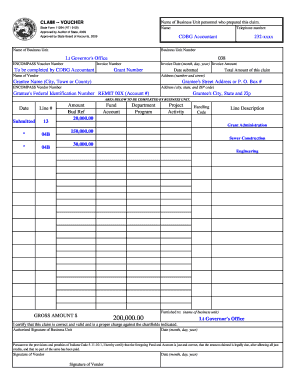







Definition & Meaning
The Consumer Complaint Form serves as an official document used by individuals to report grievances against businesses or products. It functions as a communication tool between consumers and relevant authorities, seeking to resolve disputes in a formal manner. The form ensures that consumer complaints are documented, tracked, and addressed systematically. It usually requires detailed information about the product or service, the nature of the complaint, and the desired resolution.
Context and Background
In the United States, consumer protection regulations endorse the use of Consumer Complaint Forms to empower individuals against unfair practices. These forms can be submitted to various consumer protection agencies, like the Better Business Bureau or the Federal Trade Commission. Understanding the role of this form is crucial for consumers who wish to assert their rights and receive justice.
Steps to Complete the Consumer Complaint Form
Filling out a Consumer Complaint Form requires careful attention to detail to ensure effective processing. Follow these steps for accurate completion:
-
Gather Information:
- Collect all relevant details about the transaction, including receipts, product descriptions, and communication with the business.
- Note the date, time, and location of the incident for accurate reporting.
-
Provide Personal Details:
- Include your full name, contact information, and any identification numbers relevant to the complaint.
- Clearly state your preferred contact method for future communications.
-
Describe the Complaint:
- Specify the issue with the product or service in a clear, concise manner.
- Highlight any attempts made to resolve the issue directly with the business.
-
Articulate Desired Resolution:
- Explain what you hope to achieve through this complaint, whether it’s a refund, replacement, or apology.
-
Attach Supporting Documents:
- Include copies of receipts, warranties, email exchanges, or photos that support your claim.
-
Review and Submit:
- Double-check the form for completeness and accuracy, then submit it as directed, whether online, by mail, or in person.
How to Obtain the Consumer Complaint Form
The Consumer Complaint Form can typically be sourced through various channels:
- Online Resources: Visit the website of the consumer protection agency relevant to your complaint. Many provide downloadable forms or facilitate online submission.
- Direct Request: Contact local consumer protection offices to request a physical copy of the form.
- Retail or Service Providers: Some businesses offer their complaint forms to streamline the resolution process with customers.
Who Typically Uses the Consumer Complaint Form
This form is widely utilized by various consumer demographics, including:
- General Consumers: Individuals unsatisfied with a purchased product or service.
- Senior Citizens: Protecting against scams and fraudulent activities targeting the elderly.
- Business Clients: Companies or organizations experiencing issues with vendors or service providers.
- Students: Addressing grievances with educational institutions or student services.


Key Elements of the Consumer Complaint Form
The form generally includes several critical components:
- Complainant Information: Details about the individual lodging the complaint, including contact details.
- Business Details: Information related to the business or service provider involved in the complaint.
- Complaint Description: A comprehensive account of the issue, including specifics of the transaction and any prior communication.
- Documentation: Sections for attaching supporting evidence to substantiate the complaint.
Important Terms Related to Consumer Complaint Form
Various terms associated with the Consumer Complaint Form are essential for understanding its application:
- Redress: The act of setting right a wrong; often the outcome sought through the complaint form.
- Dispute Resolution: Methods and processes aimed at resolving conflicts between parties.
- Consumer Rights: Legal entitlements ensuring fair treatment in the marketplace.
- Fair Trading: Principles that businesses must adhere to, promoting integrity and fairness in trade practices.
Examples of Using the Consumer Complaint Form
Illustrating typical scenarios where the form is utilized:
- Defective Product: A consumer uses the form to seek a refund or replacement for a malfunctioning appliance.
- Service Disruption: When services paid for, like cable or internet, do not meet promised standards, the form facilitates an official complaint.
- Unauthorized Charges: Resolving disputes over unexpected or unauthorized fees on a bill or financial statement.
Penalties for Non-Compliance
Failure to appropriately address issues raised through a Consumer Complaint Form can result in:
- Legal Action: Formal lawsuits initiated by consumers or regulatory agencies.
- Fines: Financial penalties levied on businesses failing to adhere to consumer protection laws.
- Reputational Damage: Public records of unresolved complaints can harm a business’s reputation and trustworthiness.
Legal Use of the Consumer Complaint Form
Submitting a Consumer Complaint Form aligns with consumer rights and legal practices. It serves as an official document that can be used in legal proceedings if necessary, ensuring that the complainant has taken appropriate steps to resolve the issue amicably before escalating the matter to a higher authority or court.
Jurisdictional Considerations
Ensure that the complaint is filed with the correct jurisdiction's consumer protection agency to avoid processing delays. This often depends on where the business operates and where the transaction took place.