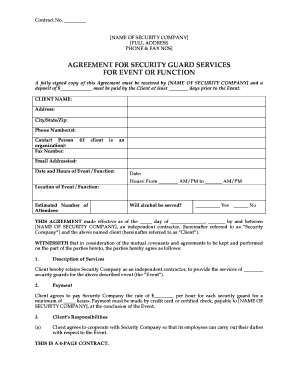
Layout 2 2026

Get Form
Layout 2 Preview on Page 1

Here's how it works

01. Edit your form online
Type text, add images, blackout confidential details, add comments, highlights and more.

02. Sign it in a few clicks
Draw your signature, type it, upload its image, or use your mobile device as a signature pad.

03. Share your form with others
Send it via email, link, or fax. You can also download it, export it or print it out.

Definition and Purpose of Layout 2

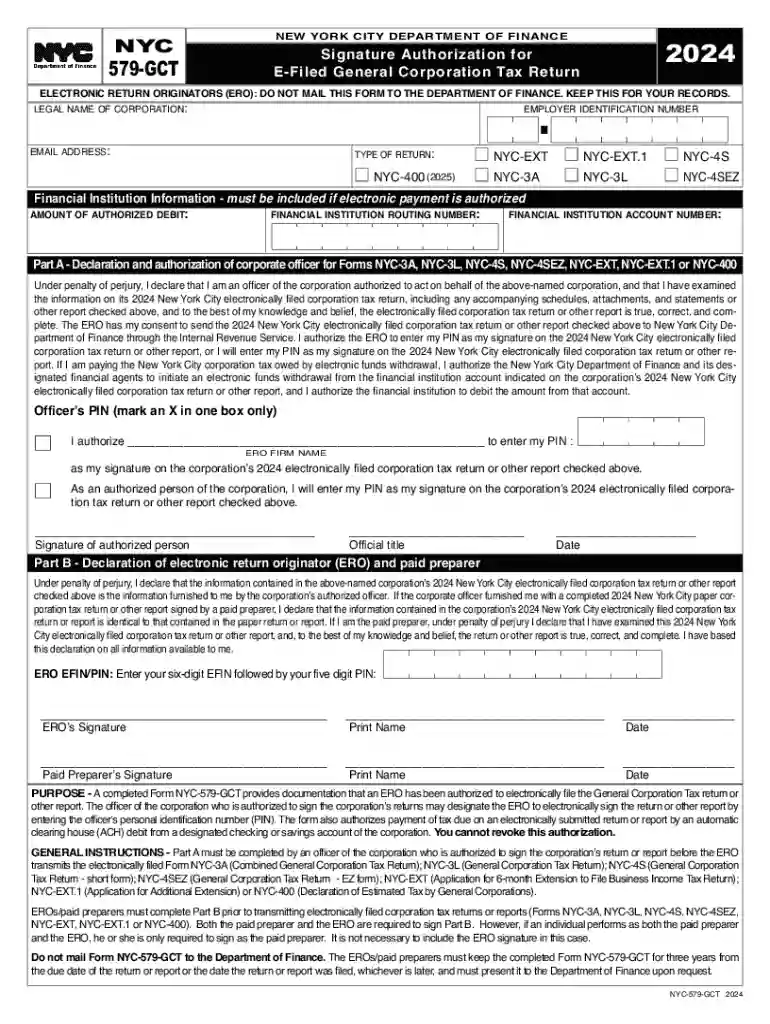
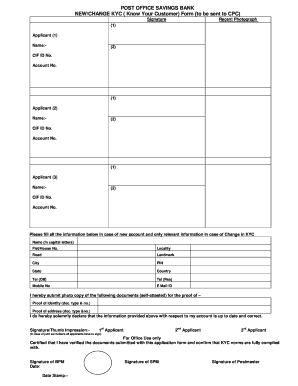
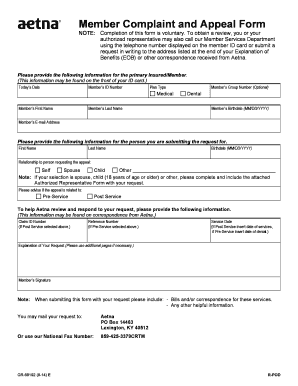
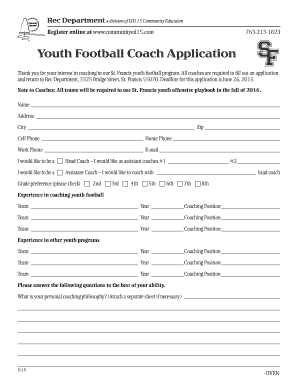
Layout 2 is a document format specifically designed for structuring information in a comprehensive way. This format is commonly utilized in scenarios where clarity and uniformity are paramount. It ensures that all required fields are filled out accurately, providing a standardized method that simplifies data entry and review processes. Ideally suited for applications, reports, and formal submissions, Layout 2 offers a precise way to present detailed information that aligns with legal and institutional standards.

Key Features of Layout 2

  • Uniform Structure: Ensures consistency across documents by maintaining a standard layout.
  • Customizable Fields: Allows for flexibility in adapting sections to suit specific document needs.
  • Clear Formatting: Enhances readability and information retrieval due to defined sections and headings.

How to Use the Layout 2

To effectively utilize Layout 2, you should first familiarize yourself with its sections and the type of information each requires. Begin by collecting all pertinent information and documents necessary for your specific application or report. Follow the structure of Layout 2 by filling out the required fields in sequence. It's essential to ensure that all data is accurate to prevent errors that could lead to processing delays.

Steps for Efficient Use

  1. Gather Information: Compile all necessary documentation and details you will need.
  2. Enter Data: Input information into the specified fields in the order they appear.
  3. Review: Thoroughly check each section for accuracy and completeness.
  4. Finalize: Save or print the completed document for submission or record-keeping.

How to Obtain the Layout 2

Obtaining Layout 2 depends on its specific application. Generally, it is available through institutional websites or can be requested from the issuing authority. For example, if it's used for tax purposes or legal filings, the relevant government body typically provides it.

Sources for Acquisition

  • Official Websites: Download from government or corporate websites if applicable.
  • Direct Request: Contact the entity that requires the document to obtain a copy.
  • Professional Services: Use professional document preparation services that offer the format.

Steps to Complete the Layout 2

Completing Layout 2 involves a series of methodical procedures that ensure all required information is accurately reported. This process often includes data entry, validation, and sometimes obtaining required signatures or attachments.

Detailed Completion Guide

  1. Begin with Personal Information: Input basic details such as name, address, and identification numbers.
  2. Provide Supporting Details: Enter specific data relevant to the document's purpose, like financial information or project specifics.
  3. Validate Entries: Double-check each entry for typographical and factual accuracy.
  4. Include Attachments: Add any necessary supporting documents or appendices.
  5. Review and Sign: Carefully review the completed form, then sign as required to attest to its accuracy.

Key Elements of the Layout 2

Layout 2 includes several vital components designed to capture a comprehensive view of the necessary data. Each section has a distinct function, contributing to the document's overall objective.

Core Components

  • Header Information: Contains general identifiers such as document number and date.
  • Data Fields: Structured sections for inputting specific information.
  • Instructions: Guidance often provided within the document to assist in accurate completion.
  • Signatures and Dates: Sections for legal attestations and effective dating.

Legal Use of the Layout 2

The legal application of Layout 2 is instrumental in maintaining compliance with governmental or institutional regulations. It's often employed where there is a need for formal documentation that may be subject to audit or legal scrutiny.

Compliance Considerations

  • Legal Consistency: Must adhere to current laws and policies regarding documentation.
  • Privacy: Secure collection and storage of personal data are mandatory.
  • Audit Readiness: Designed to hold up to inspections or legal reviews due to its standardization.

Examples of Using the Layout 2

Layout 2's versatility makes it suitable for various applications in different sectors. Businesses and individuals alike benefit from its application in a systematic approach to documentation.

Use Case Scenarios

  • Corporate Reports: Regularly used by corporations to present financial and operational data.
  • Legal Filings: Prized for its clear structure in contracts and compliance documentation.
  • Educational Applications: Utilized in admissions and academic records for maintaining consistent records.

State-Specific Rules for the Layout 2

Adhering to state-specific regulations is crucial when using Layout 2, as jurisdictions may impose distinct requirements. It’s important to understand these differences to ensure compliance.

State Variations

  • Submission Deadlines: Different states may have varied deadlines for document submission.
  • Format Specifications: Some states may mandate particular layouts or additional fields.
  • Additional Documentation: Required attachments can vary based on state law.

This comprehensive coverage of Layout 2 provides users with the guidance needed to fully understand, obtain, and utilize this layout effectively across various applications.

be ready to get more

Complete this form in 5 minutes or less

Get form

Got questions?

We have answers to the most popular questions from our customers. If you can't find an answer to your question, please contact us.
Contact us
These principles are contrast, repetition, alignment, and proximity. Understanding the role each can play in the design process can help keep your ideas fresh.
In general terms, a layout is a structured arrangement of items within certain limits, or a plan for such arrangement. Specifically, layout may refer to: Page layout, the arrangement of visual elements on a page.
There are four main types of facility layouts: process, product, fixed-position, and cellular. The process layout arranges workflow around the production process. All workers performing similar tasks are grouped together. Products pass from one workstation to another (but not necessarily to every workstation).
To change the layout of the column chart to layout 2 as requested, follow these steps: Click on the column chart to select it. Navigate to the Design tab. In the Chart Layouts group, click on the Quick Layout menu. Select Layout 2 from the options available, which is the top row, 2nd option.
The four types of design that are discussed in this article are graphic design, product design, interaction design and experience design. These design types all involve using the creative process to develop products and services, but they each have their own specific focus, goals and applications.

Security and compliance

At DocHub, your data security is our priority. We follow HIPAA, SOC2, GDPR, and other standards, so you can work on your documents with confidence.
Learn more
ccpa2
pci-dss
gdpr-compliance
hipaa
soc-compliance
be ready to get more

Complete this form in 5 minutes or less

Get form

People also ask

Layout design is the art of arranging visual elements on a page or screen in an aesthetically pleasing and effective manner to convey a message or tell a story. It encompasses the organization of text, images, shapes, lines, and white space to create a cohesive and visually appealing composition.
Layout features include bold text, underlining, various fonts and uppercase/capitals. Typical layout features vary according to the kind of text. Longer texts, like novels, reports or text books, are usually broken down into chapters and sections to help you cope with the information.
Four types of layouts have been discussed: process layout, product layout, hybrid and fixed position layout.

Related links