






Definition and Importance of 2023 Business Tax Filers
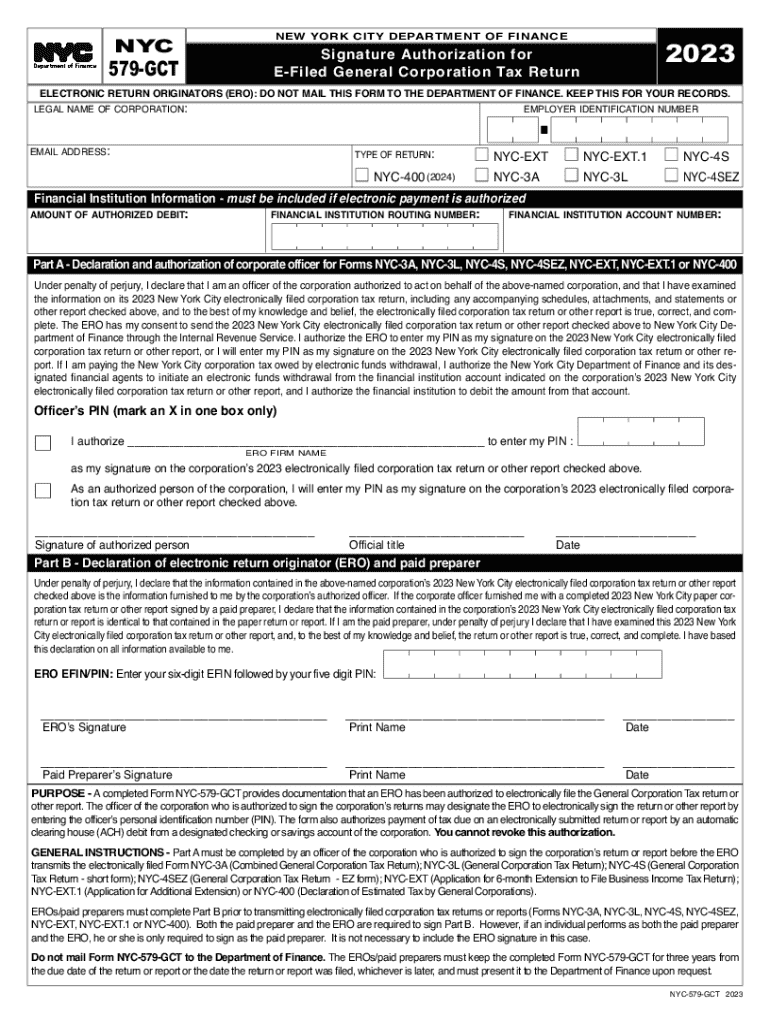
The "2023 Business Tax Filers" form is crucial for business entities in the U.S. It serves as an official record for declaring and paying annual business taxes. This document outlines a company's income, expenses, and other financial activities pertinent to tax obligations. Accurate filing ensures businesses remain compliant with federal tax laws, minimizing the risk of audits and penalties. Understanding this form's structure and requirements is essential for legal and fiscal responsibility.
Steps to Complete the 2023 Business Tax Filers Form
-
Gather Required Financial Documents:
- Collect income statements, balance sheets, and cash flow statements.
- Ensure you have supporting documents for deductions and credits claimed.
-
Fill in Business Information:
- Enter the business's legal name, address, and federal tax ID number.
- Provide the type of business entity (e.g., LLC, Corporation).
-
Report Income and Expenses:
- Accurately report all income received in the tax year.
- Itemize expenses such as salaries, rent, and operational costs.
-
Calculate Taxable Income:
- Subtract allowable deductions from total income to determine taxable amount.
- Include any applicable credits to reduce the tax liability.
-
Review and Sign:
- Double-check all entries for accuracy and completeness.
- Ensure the form is signed by an authorized officer.
-
Submit the Form:
- File electronically for faster processing or mail to the IRS address specific to your region.
Filing Deadlines and Important Dates
The deadline for submitting the "2023 Business Tax Filers" form aligns with the federal tax deadline, typically on April 15. Businesses may request an extension, pushing the deadline to October 15, but estimated taxes should be paid by the original date. Staying aware of these dates is crucial to avoid late filing penalties.
Required Documents
-
Income Statements and Balance Sheets: Essential for calculating gross income and expenses.
-
Receipts for Deductions and Credits: Validates each claimed deduction or credit.
-
Previous Year's Tax Filings: Helps in checking for discrepancies or rollover items.
-
Supporting Documentation for Specific Transactions: Includes agreements or contracts pertinent to significant deductions or earnings.
Key Elements of the 2023 Business Tax Filers Form
-
Business Entity Information: Defines legal structure, crucial for determining tax obligations.
-
Detailed Income Breakdown: Includes all revenue sources, distinguishing between taxable and non-taxable income.
-
Expense Categories: Helps in maximizing deductions and lowering tax liabilities.
-
Credits and Deductions Section: Highlights opportunities for reducing overall tax amounts.
Who Typically Uses the 2023 Business Tax Filers Form
The form is used by diverse business entities, including:
-
Limited Liability Companies (LLCs): Detailing member earnings and distributions.
-
Corporations: Reporting profits, dividends, and retained earnings.
-
Partnerships: Stating each partner's share of income and deductions.


Legal Use and Compliance
Businesses must adhere to IRS guidelines when completing and submitting the form. Compliance ensures the avoidance of legal issues and financial penalties. Adhering strictly to instructions in this form is vital for maintaining good standing with tax authorities.
Penalties for Non-Compliance
Failure to comply with filing requirements can result in:
-
Late Filing Penalties: Typically, 5% of unpaid taxes for each month the return is late.
-
Failure to Pay Penalties: Accrued interest on outstanding taxes if not paid by the deadline.
-
Potential Audits: Increased likelihood of IRS audits if discrepancies or significant errors are detected.
Business Entity Types and Benefits
Different business entities benefit uniquely from understanding the "2023 Business Tax Filers" form:
-
LLCs: Benefit from pass-through taxation ensuring earnings are only taxed as personal income.
-
Corporations: Leverage deductions for operational expenses, investments, and employee benefits.
-
Partnerships: Facilitate the equitable distribution of tax burdens among partners.
Form Submission Methods
-
Online Filing: Offers a quick and efficient way to submit through the IRS website or authorized e-filing services.
-
Mail Submission: Traditional method involving sending physical copies to designated IRS addresses.
-
In-Person: Less common, but available at local IRS offices for direct assistance.
Software Compatibility for Efficient Filing
-
TurboTax and QuickBooks: Compatible with the form, aiding businesses in streamlined financial data integration.
-
DocHub Integration: Allows for digital signing and secure storage, maintaining compliance and organizational efficiency.
Understanding these aspects of the "2023 Business Tax Filers" form can significantly impact a business's tax reporting accuracy and efficiency, ultimately contributing to financial success and legal compliance.